Trump Justifies Controversial Iran Rescue Operation Despite Military Pushback
Synopsis
In a daring move, President Trump authorized a high-risk rescue mission in Iran to retrieve downed airmen, despite military dissent regarding the potential for heavy casualties. This decision highlights the complexities and dangers of military operations in hostile territories.
Key Takeaways
Trump authorized a high-risk mission in Iran despite military opposition.
Two downed airmen were successfully rescued with no American casualties.
The operation lasted over two days and required extensive coordination.
Military officials warned of potential heavy losses during the mission.
Operations within Iran are particularly complex due to terrain and military presence.
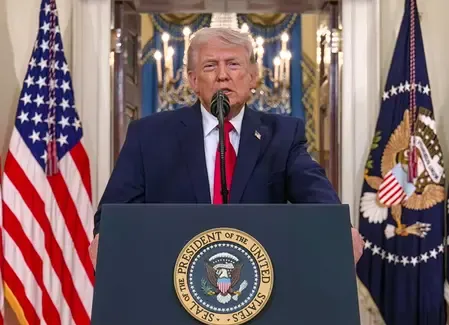
Washington, April 7 (NationPress) President Donald Trump revealed that several US military leaders expressed concerns regarding a perilous rescue operation in Iran, cautioning that it could result in significant casualties. Nevertheless, he proceeded to authorize the mission to retrieve two downed airmen.
Trump stated, “Not everyone was in agreement.” He elaborated, “There were military personnel… who preferred to refrain from action.”
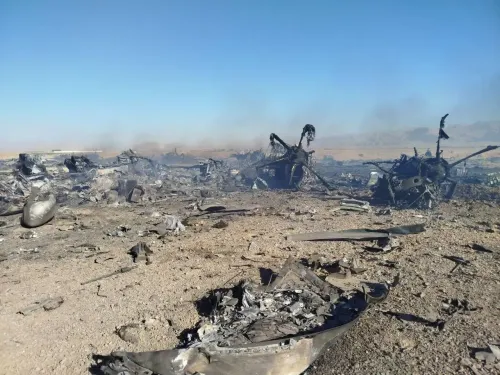
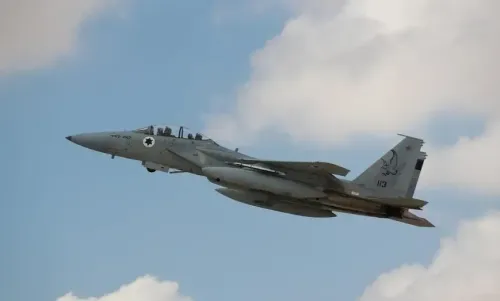
This operation was conducted deep within Iranian territory after an F-15 fighter jet crashed. The two crew members managed to eject but found themselves stranded in hostile territory.
According to Trump, the mission required “hundreds and hundreds” of personnel, and the risks involved were substantial.
“Hundreds of lives could have been lost,” he warned.
Some military officials advised against taking such action.
“They indicated… You simply do not engage. You don’t penetrate the core of a formidable military,” Trump recounted.
Understanding their apprehensions, he nonetheless chose to move forward.
“I recognized their concerns, but I made the decision to carry on,” he asserted.
The rescue operation unfolded in two distinct phases. The first airman was successfully retrieved during a daylight mission, while the second, who sustained injuries, eluded capture for several hours before being found and rescued.
Trump underscored the challenges of operating over enemy territory.
“We spent seven hours flying over Iran… which is a lengthy duration over exceedingly hostile terrain,” he remarked.
While US forces had diminished Iranian defenses, they had not been completely neutralized.
“They still possess… a shoulder… missile,” he highlighted.
Military strategists warned of potential heavy casualties.
“They warned… we risked sacrificing hundreds of people,” Trump said.
Ultimately, both airmen were saved, and no American lives were lost.
Trump expressed that the results surpassed expectations.
“If you had told me… that no one was even significantly injured, I would have deemed that impossible,” he stated.
Officials indicated that the operation necessitated coordination across air, ground, and intelligence units, spanning over two days.
This mission occurs amidst heightened tensions between the United States and Iran. While Washington has intensified military pressure, it remains open to dialogue.
The US military has long adhered to the principle of “leave no one behind.” However, such operations are uncommon due to the inherent risks involved.
Engaging in operations within Iran presents unique complications. The terrain is challenging, and the military presence is substantial, raising the stakes for any future endeavors.
Point of View
The unfolding events surrounding the Iran rescue mission present a critical examination of military strategy and decision-making under high pressure. The risks taken by President Trump and his administration reflect a nation-first approach, emphasizing the importance of retrieving personnel while navigating the complexities of international relations.
NationPress
22 Oct 2026
Frequently Asked Questions
What was the purpose of the Iran rescue mission?
The mission aimed to retrieve two US airmen who had ejected from a downed F-15 fighter jet and were stranded in enemy territory.
Why did some military officials oppose the mission?
Military leaders warned that the operation could result in significant casualties, advising against engaging in such a high-risk endeavor.
What were the phases of the rescue operation?
The operation occurred in two phases: the first airman was rescued during the day, while the second, who was injured, evaded capture for hours before being found.
What were the risks associated with the mission?
The mission involved flying over hostile territory for seven hours, with warnings of potential heavy casualties among US personnel.
What principle does the US military adhere to in rescue operations?
The US military follows the principle of 'leave no one behind,' emphasizing the importance of retrieving personnel even in dangerous situations.