Trump says Democrats reached out on immigration and healthcare talks
Synopsis
Trump revealed that Democrats had called him seeking talks on immigration and healthcare — but offered no deal terms, no timeline, and no answer on whether long-settled workers could stay. The remarks hint at bipartisan movement while keeping every policy door deliberately ajar.
Key Takeaways
President Donald Trump said Democratic lawmakers contacted him seeking talks on immigration and healthcare , without naming them.
Trump drew a line between deportation targets ('murderers and drug dealers') and long-settled workers he described as 'very hard working people,' but offered no policy position on the latter.
He gave no direct answer on vetoing Congresswoman Maria Salazar's immigration proposal.
On healthcare, Trump signalled bipartisan talks might be more viable than Republican-only budget reconciliation.
Trump disclosed the governor-elect of Texas had called him about border security two days earlier; he called the conversation productive.
Trump spoke favourably of both Hakeem Jeffries and Chuck Schumer , though neither was identified as one of the immigration callers.
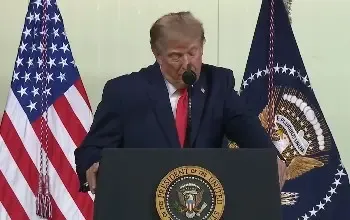
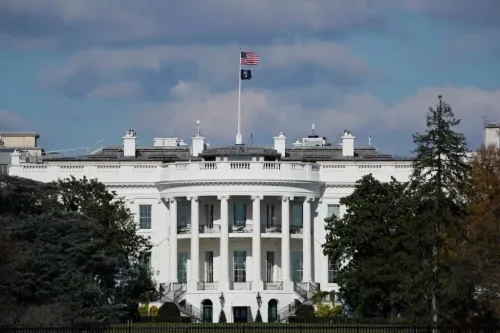
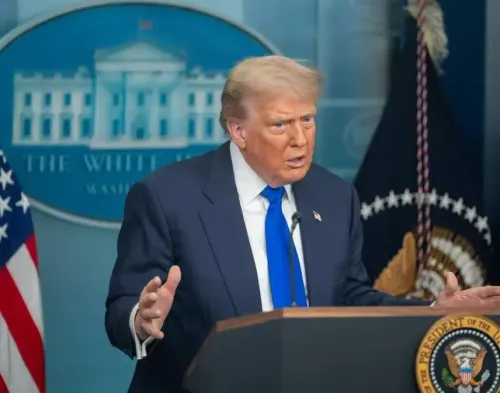
US President Donald Trump said on 21 November 2026 that Democratic lawmakers had contacted him seeking discussions on two fronts — immigration and healthcare — marking a potential opening for bipartisan negotiations after a bitterly divisive election cycle. Trump made the remarks at the White House after returning from a trip to Asia.
What Trump Said
Speaking to reporters, Trump said Democrats had called him and wanted to discuss two subjects. 'They want to talk to me about health care, and they want to talk to me about immigration,' he said. He declined to identify which Democratic lawmakers had reached out.
On healthcare, Trump signalled openness to a bipartisan deal, suggesting it might be easier to reach an agreement with Democrats than to push a measure through budget reconciliation solely with Republican votes. On immigration, however, he offered no specific terms or timeline for any talks.
The Immigration Question at the Centre
The remarks came after a reporter asked whether Trump would veto an immigration proposal backed by Republican Congresswoman Maria Salazar. Trump gave no direct answer on a veto, nor did he state whether he would support allowing long-settled workers to remain in the country.
Instead, he drew a distinction between those his administration was actively targeting for removal — describing them as 'murderers and drug dealers' — and a separate group he characterised as 'very hard working people that came in, in some cases years ago.' He posed the question of what should be done about the latter group without offering a policy answer.
This comes amid a broader Washington debate that has long split along two axes: who may legally enter the country and how border enforcement is conducted, versus the status of millions already living and working inside the US for years or decades.
Texas Governor-Elect and Border Talks
Trump also disclosed that the governor-elect of Texas had called him two days prior to discuss border security. He described the conversation as productive, saying she wanted a strong border and that he believed both sides could work together — though he provided no details on what either side had proposed.
Deportation Policy and Congressional Dynamics
Throughout the exchange, Trump defended his administration's deportation record, stating that enforcement had focused on individuals who posed a public safety risk. He added that in some cases he preferred to keep people convicted of serious crimes incarcerated rather than deported, citing concern they might re-enter the United States.
On working with the incoming Congress, Trump said he expected to use the veto threat as a negotiating tool against bills sent by Democrats. Notably, he spoke favourably of both House Democratic leader Hakeem Jeffries and Senate Democratic leader Chuck Schumer, though he did not identify either as one of his callers on immigration. Trump also ranked the border among the two or three issues most important to his election victory.
What Comes Next
No date for talks has been set and no framework for a deal has been outlined. Whether the Democratic outreach translates into formal negotiations — or whether Trump's openness on immigration extends beyond rhetoric — will likely become clearer as the new Congress takes shape.
Point of View
But only if Democrats come to him on his terms. The favourable mentions of Jeffries and Schumer are unlikely to be accidental. What mainstream coverage may underweight is how much this dynamic mirrors the 2013 'Gang of Eight' moment — bipartisan optimism at the rhetorical stage that collapsed once legislative specifics emerged. Without a named interlocutor, a date, or a policy framework, 'Democrats called me' remains a trial balloon, not a negotiation.
NationPress
21 Nov 2026
Frequently Asked Questions
What did Trump say about Democrats contacting him on immigration?
Trump said Democratic lawmakers had reached out to him wanting to discuss both immigration and healthcare, though he declined to name the individuals who called. He gave no timeline or terms for any potential talks.
Will Trump veto Congresswoman Maria Salazar's immigration proposal?
Trump did not give a direct answer when asked whether he would veto the immigration proposal backed by Republican Congresswoman Maria Salazar. He also did not say whether he would support allowing long-settled undocumented workers to remain in the country.
What distinction did Trump draw within the immigrant population?
Trump differentiated between those his administration is targeting for removal — people he described as murderers and drug dealers — and what he called 'very hard working people that came in, in some cases years ago.' He raised the question of what should be done about the latter group without offering a policy answer.
What did Trump say about healthcare negotiations with Democrats?
Trump suggested a bipartisan deal on healthcare could be easier to achieve than passing legislation through Republican-only budget reconciliation. He appeared more forthcoming on healthcare than on immigration, where no terms or framework were offered.
What did Trump say about House and Senate Democratic leaders?
Trump spoke favourably of both House Democratic leader Hakeem Jeffries and Senate Democratic leader Chuck Schumer during the exchange. However, he did not identify either man as one of the Democrats who had called him about immigration.