Delhi AQI at 327: Winter chill tightens grip on Delhi-NCR air quality
Synopsis
Delhi's AQI hit 327 on Saturday morning — its sixth consecutive day in the poor-or-worse band — with Sirifort peaking at 368. Winter temperatures are also at their season-low, and the IITM warns the air will worsen again on Sunday. The CAQM construction ban has just been lifted, but tighter curbs kick in from 10 December.
Key Takeaways
Delhi's AQI stood at 327 at 8:20 am on 21 November , placing it in the 'very poor' category for the sixth consecutive day .
Sirifort recorded the city's highest AQI at 368 ; Chandni Chowk followed at 366 .
Delhi logged a season-low minimum temperature of 10.5°C on Friday; the IMD forecasts a further drop of 2–3°C in coming days.
The IITM has forecast AQI will slip back into 'very poor' on Sunday due to unfavourable dispersal conditions.
The CAQM construction ban (5–20 November) was lifted on Friday; Delhi's winter pollution framework stays active until 31 January , with stricter curbs from 10 December .
The Delhi government has deployed 108 MRS machines and completed 80 lakh plantation activities as part of its pollution-control drive.
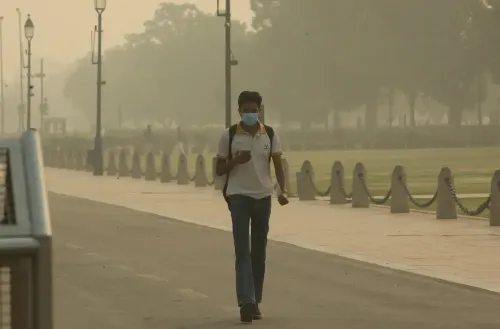
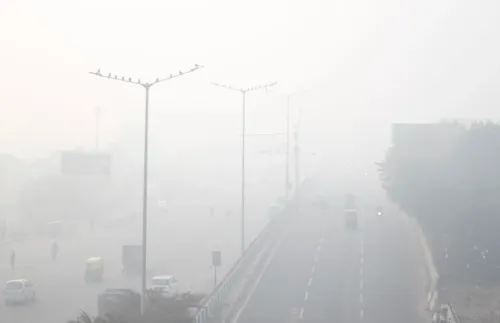
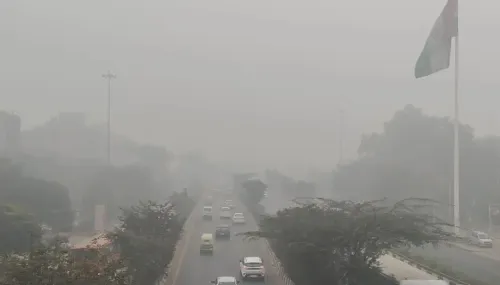
Delhi's air quality slipped deeper into the 'very poor' category on Saturday, 21 November 2026, with the national Capital logging an Air Quality Index (AQI) of 327 at 8:20 am, even as winter conditions continued to tighten their grip across Delhi-NCR. The reading marks the sixth consecutive day that Delhi's air has remained in the poor-or-worse band, raising fresh concerns about public health heading into peak winter.
Worst-Hit Monitoring Stations
Sirifort recorded the highest AQI in the city at 368, followed closely by Chandni Chowk at 366, Commonwealth Sports Complex at 362, Punjabi Bagh at 360, CRRI Mathura Road at 355, and Pusa at 353. Other areas also reported elevated readings: Nangloi (330), Shadipur (326), Talkatora Garden and NSUT Jaffarpur (both 316), and Vasundhara Enclave (315). Relatively lower — but still unhealthy — levels were recorded at Karala (296), NIH Narela (285), Chhawla (278), Tikri Kalan (264), Mandir Marg (253), Burari (246), and Ghoga (240).
Temperature Drop and Weather Outlook
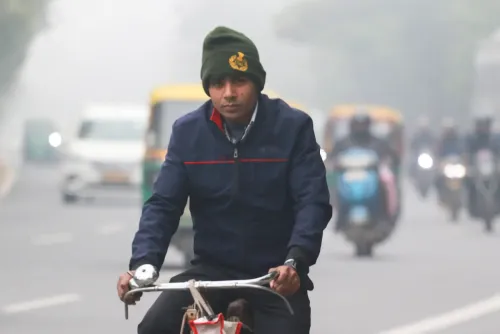
Alongside deteriorating air quality, Delhi registered a minimum temperature of 10.5 degrees Celsius on Friday — the lowest of the season so far — marginally cooler than the 10.6 degrees Celsius recorded a day earlier. According to the India Meteorological Department (IMD), temperatures may edge slightly upward on Saturday before declining by around 2–3 degrees Celsius over the following few days.
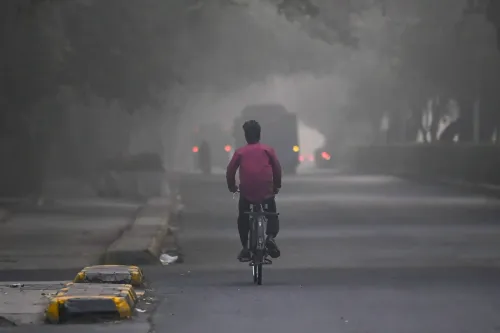
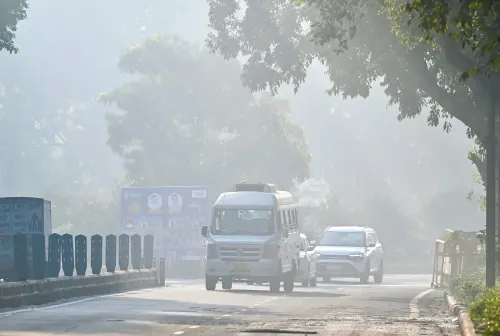
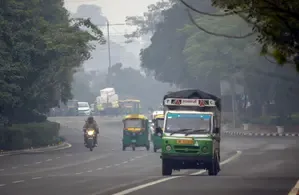
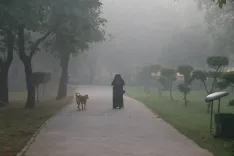
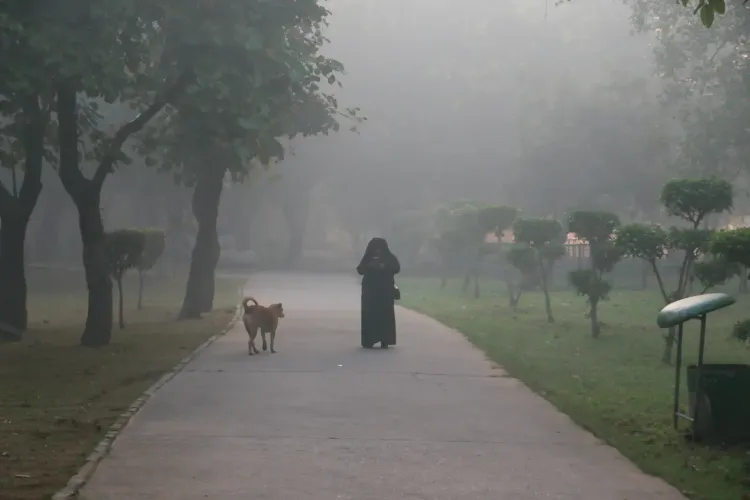
Fog and haze reduced visibility in several parts of the city during morning hours, though the weather is expected to remain predominantly clear through the day. The IMD has indicated that a western disturbance present in the middle tropospheric levels — approximately 5.8 km above sea level — may cause further temperature fluctuations in the near term.
AQI Forecast and GRAP Measures
The Indian Institute of Tropical Meteorology (IITM) has forecast that Delhi's AQI will remain in the poor category through Saturday before sliding back into the very poor category on Sunday, as unfavourable meteorological conditions are likely to hinder the dispersal of pollutants. Stage I and Stage II measures under the Graded Response Action Plan (GRAP) continue to remain in force across Delhi-NCR.
Notably, the construction ban imposed by the Commission for Air Quality Management (CAQM) across the National Capital Region from 5 to 20 November was lifted on Friday. However, restrictions under the Delhi government's separate winter pollution-control framework remain effective until 31 January, with stricter measures scheduled to come into force from 10 December. The CAQM has also issued separate directions on dust-generating demolition, outdoor construction activities, and physical office attendance requirements under its 30 October order.
Government Measures and Year-on-Year Context
The Delhi government has deployed 108 Mechanical Road Sweeping (MRS) machines across the National Capital Territory as part of its pollution-control drive. It has additionally undertaken nearly 80 lakh plantation activities and completed the redevelopment of 1,440.713 km of roads. Officials have pointed out that Delhi's average AQI on 31 October stood at 166, considerably better than the 223 recorded during the corresponding period last year — suggesting some year-on-year improvement even as the current readings remain concerning.
With peak winter still weeks away and meteorological conditions set to worsen, air quality across Delhi-NCR is likely to remain under pressure through at least the first week of December.
Point of View
The city rediscovers that its pollution-control apparatus is reactive rather than preventive. The CAQM construction ban being lifted on the very day AQI crossed 327 is a telling optic. Year-on-year comparisons showing a better October AQI are encouraging, but they mask the structural problem: when winter inversion sets in, incremental measures — road sweepers, plantation drives, staggered office attendance — are simply insufficient to offset the meteorological chokehold. Until emission sources, not just symptoms, are addressed at scale, Delhi's winters will remain a public health emergency dressed up in policy paperwork.
NationPress
21 Nov 2026
Frequently Asked Questions
What is Delhi's AQI today, 21 November 2026?
Delhi recorded an AQI of 327 at 8:20 am on 21 November 2026, placing it in the 'very poor' category. Sirifort was the worst-performing monitoring station at 368, followed by Chandni Chowk at 366.
Which areas in Delhi have the worst air quality right now?
As of Saturday morning, Sirifort (368), Chandni Chowk (366), Commonwealth Sports Complex (362), Punjabi Bagh (360), CRRI Mathura Road (355), and Pusa (353) reported the highest AQI readings in Delhi-NCR.
What does the AQI forecast say for Delhi this weekend?
The Indian Institute of Tropical Meteorology (IITM) forecasts Delhi's AQI will remain in the poor category on Saturday before worsening to the very poor category on Sunday, as unfavourable meteorological conditions are expected to hinder pollutant dispersal.
What is GRAP and is it currently active in Delhi-NCR?
The Graded Response Action Plan (GRAP) is a set of emergency anti-pollution measures activated in stages based on AQI levels. Stage I and Stage II of GRAP are currently in force across Delhi-NCR, covering restrictions on construction dust, vehicular emissions, and industrial activity.
Has the CAQM construction ban been lifted in Delhi?
Yes, the CAQM construction ban covering the National Capital Region from 5 to 20 November was lifted on Friday, 20 November. However, the Delhi government's own winter pollution-control restrictions remain active until 31 January 2027, with stricter measures set to take effect from 10 December.