Trump open to immigration deal with Democrats, rules out amnesty
Synopsis
Trump signalled a potential opening on immigration with Democrats — but ruled out amnesty and gave zero legislative detail. At the same press conference, he backed a bipartisan permitting bill while flatly refusing to approve wind turbines, an apparent contradiction he left unresolved. Add sweeping, unverified claims about military wins in Iran and Venezuela, and the White House presser was anything but routine.
Key Takeaways
President Trump on 10 November said he was open to an immigration deal with Democrats but ruled out amnesty outright.
Trump offered no eligibility criteria, timetable, or negotiating terms for any potential immigration agreement.
He backed a bipartisan permitting bill 100 per cent but said he would not approve wind turbines , leaving an apparent contradiction unresolved.
Trump praised senior adviser Stephen Miller , saying he could work effectively with Democrats.
Trump claimed military successes in Venezuela (a 48-minute operation with no casualties) and Iran , asserting Iran's navy and air force had been destroyed — claims unsupported by independent evidence in the available transcript.
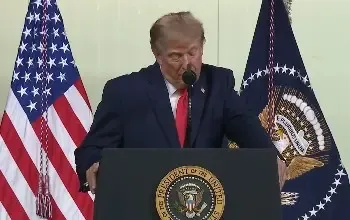
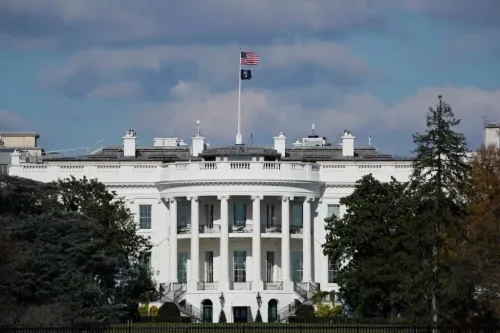
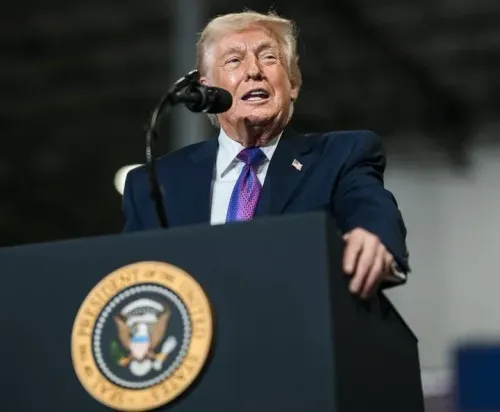
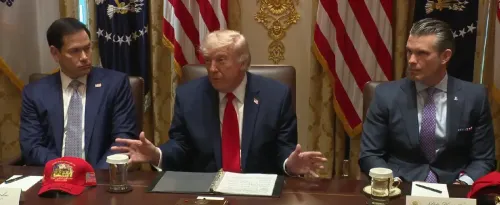
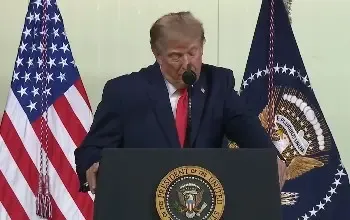
US President Donald Trump on 10 November said he was open to an immigration agreement with Democrats but categorically ruled out amnesty, while simultaneously backing a bipartisan permitting bill and declaring he would not approve wind turbines. The remarks came during an impromptu press conference at the White House, covering a wide range of topics from military operations to Cuba.
No Amnesty, But a Door Left Open
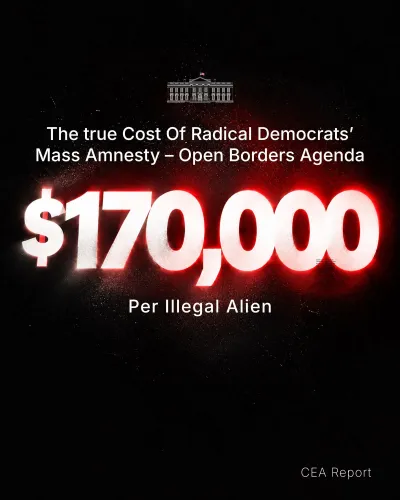
When asked whether he could reach a deal with Democrats on immigration, Trump was direct: 'We're not going to have amnesty or anything.' He argued that people would have to follow the proper legal process, saying that doing otherwise would be unfair to those who had complied with existing rules.
However, Trump offered virtually no specifics — no eligibility criteria, no timetable, and no outline of the terms he would seek in potential negotiations. The vagueness leaves the shape of any possible deal entirely undefined.
Stephen Miller and Bipartisan Potential
The press conference also touched on senior adviser Stephen Miller, following questions about what policy changes he had driven. Trump praised Miller effusively, saying he had been with him from the beginning and was capable of working across the aisle. 'He's smart, he's tough, he's fair, and he actually will get along, I think, very well with the Democrats,' Trump said.
This comes amid broader speculation about whether the administration would pursue legislative compromises in areas beyond immigration, including energy and infrastructure.
Permitting Bill: Support With a Catch
On a bipartisan permitting bill reportedly facing a congressional vote the same evening, Trump expressed strong backing. 'The permitting bill is a great bill that's supposed to be bipartisan. We — we are behind it 100 per cent,' he said.
However, when asked whether he would approve wind turbines — described by a reporter as a key provision of the bill — Trump flatly replied: 'No, I will not approve wind turbines.' When pressed on the apparent contradiction, he said the bill had not been fully negotiated, without explaining how his opposition to wind energy would be accommodated in the final legislation.
Iran, Venezuela, and Cuba Remarks
Trump also defended Pete Hegseth, crediting him with military successes in Venezuela and Iran. He described the Venezuela operation as lasting 48 minutes and claimed no casualties. On Iran, Trump asserted that Tehran's navy and air force had been destroyed and that Iran wanted a deal, saying he believed 'the war had been won.' He linked the Iran campaign to preventing nuclear proliferation. No independent evidence in the available transcript supports those assessments.
Turning to Cuba, Trump described the country as failing and said the United States was providing humanitarian assistance. When asked about earlier remarks regarding taking Cuba, he offered no specific commitment or operational detail.
Why Immigration Talks Are Difficult
Immigration has long been one of the most fractious issues in US politics, with disputes spanning border enforcement, asylum procedures, legal entry pathways, and the status of undocumented residents. Critically, any broad legislative change requires Congressional action, making White House negotiations with lawmakers essential to any durable agreement. Trump's comments signal a willingness to engage — but on terms that remain entirely unspecified, leaving the path to legislation uncertain.
Point of View
No timetable, no eligibility framework. That is not a negotiating position; it is a rhetorical placeholder. The wind turbine contradiction on the permitting bill is similarly telling: broad bipartisan support is claimed even as a central provision is dismissed. What mainstream coverage underweights here is the pattern — Trump frequently announces willingness to deal while simultaneously asserting conditions that make a deal structurally difficult. On Iran and Venezuela, the press conference produced dramatic claims with no corroboration, a reminder that the gap between White House assertion and verifiable fact remains wide and consequential.
NationPress
10 Nov 2026
Frequently Asked Questions
What did Trump say about an immigration deal with Democrats?
Trump said he was open to reaching an immigration agreement with Democrats but ruled out any form of amnesty, insisting people must follow the proper legal process. He provided no specific terms, eligibility criteria, or timetable for potential negotiations.
Why did Trump's support for the permitting bill raise questions?
Trump declared he was behind the bipartisan permitting bill '100 per cent' but simultaneously said he would not approve wind turbines, which a reporter described as a key component of the bill. He acknowledged the bill had not been fully negotiated but did not explain how his wind energy opposition would be resolved.
What did Trump claim about military operations in Iran and Venezuela?
Trump credited Defence Secretary Pete Hegseth with military successes in both countries, describing the Venezuela operation as lasting 48 minutes with no casualties and asserting that Iran's navy and air force had been destroyed. The available transcript contains no independent evidence supporting those claims.
Who is Stephen Miller and why was he discussed?
Stephen Miller is a senior White House adviser closely associated with Trump's immigration policy. Trump praised him at the press conference, saying Miller was smart, tough, fair, and capable of working with Democrats — suggesting Miller could play a role in any bipartisan immigration negotiations.
Why is any immigration deal hard to achieve legislatively?
Broad changes to US immigration law require Congressional action, meaning the White House must negotiate with lawmakers from both parties to pass any durable legislation. Trump's refusal to consider amnesty and lack of specific terms narrows the space for compromise, though the door to talks has not been formally closed.