Trump Vows to Fix Election Vulnerabilities, Not Hide Them
Synopsis
The White House on July 17, 2026, quoted President Trump pledging to disclose election system vulnerabilities and fix them rapidly — framing transparency as the path to earning public confidence, not undermining it. The statement links to a dedicated whitehouse.gov election integrity page.
Key Takeaways
The White House posted a direct quote from President Trump on July 17, 2026 on election vulnerability disclosures.
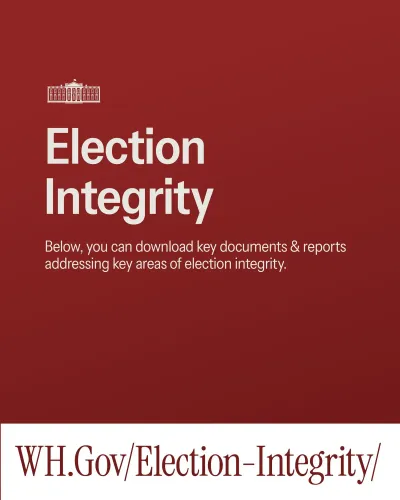
Trump stated the purpose is to 'earn' public confidence by 'confronting vulnerabilities and correcting them very, very quickly.' The post links to whitehouse.gov/election-integrity , suggesting a formal policy release or report.
Trump first created the Presidential Advisory Commission on Election Integrity in 2017 and signed Executive Order 13848 on foreign election interference in 2018 .
State election officials and American voters are the primary audiences for any federal guidance that follows.
Specific vulnerabilities cited, corrective timelines, and any new executive directives remain to be detailed publicly.
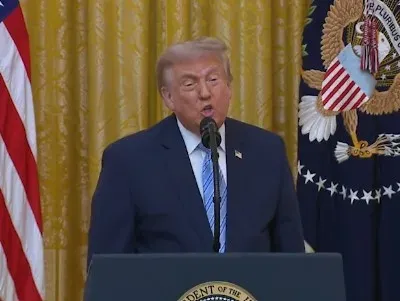
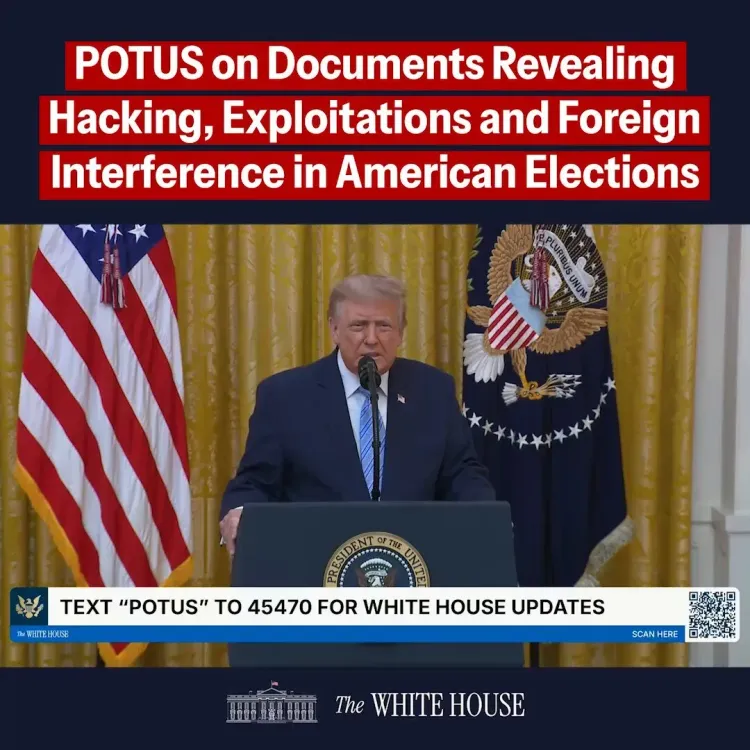
The White House on Friday, July 17, 2026, quoted President Donald J. Trump stating that the administration's decision to disclose election system vulnerabilities is aimed at strengthening — not undermining — public confidence in American elections, with a pledge to correct those weaknesses 'very, very quickly.'
Context
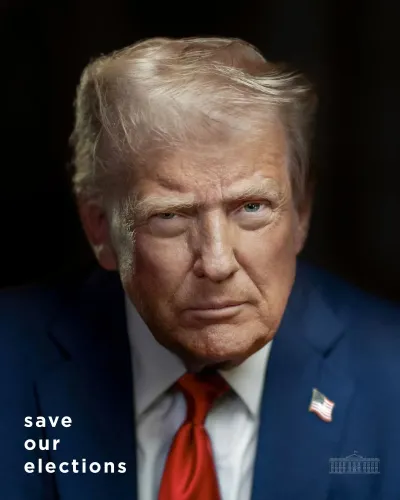
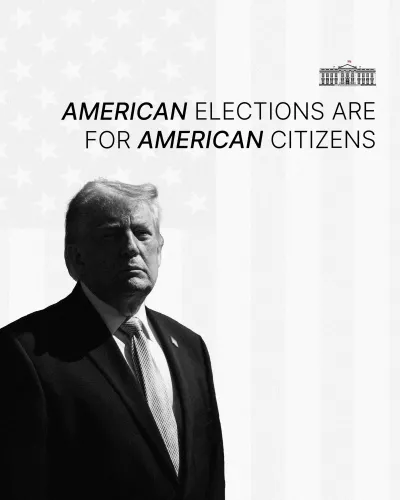
The statement, shared on the White House's official X account alongside a link to whitehouse.gov/election-integrity, carries a direct quote from President Trump: 'Our purpose in disclosing this information is not to weaken confidence in election, but to earn that confidence by confronting vulnerabilities and correcting them very, very quickly.'
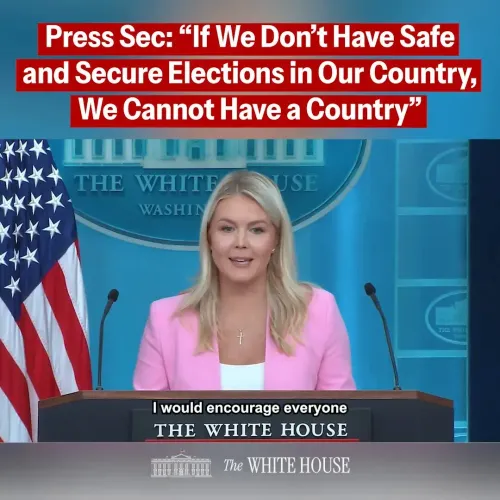
The post is accompanied by a video and the American flag emoji, signalling a formal executive communication rather than a casual social media update. The linked page suggests the White House has released or is releasing detailed findings on election system weaknesses.
Policy Backdrop
Trump's engagement with election integrity as a policy priority dates to his first term. In 2017, he established the Presidential Advisory Commission on Election Integrity via executive order to examine voter fraud allegations and systemic vulnerabilities in election infrastructure.
In September 2018, Executive Order 13848 was signed to impose sanctions on foreign actors found to have interfered in US elections — a measure that institutionalised the federal government's role in monitoring and responding to election threats. The current disclosure follows that established pattern of federal-level transparency initiatives tied to electoral security.
Across multiple administrations, US federal bodies have periodically published assessments of election system weaknesses — including vulnerabilities in voting technology, voter roll management, and access rules — to demonstrate corrective action and maintain public trust.
Stakeholders and Impact
American voters and state election officials are the primary stakeholders of any federal disclosure on election vulnerabilities. Since election administration in the United States is largely decentralised, states retain primary authority over their own systems, making federal guidance advisory rather than binding in most cases.
The framing of the statement — emphasising transparency as a trust-building exercise — is directed squarely at a public audience that has remained deeply divided over election integrity since the 2020 presidential cycle. The administration's choice to lead with a reassurance rather than an accusation marks a deliberate rhetorical posture.
What's Next
Attention will now turn to the specific content of the whitehouse.gov/election-integrity page — whether it details particular vulnerabilities identified, the federal agencies involved in the review, and what corrective measures have been or will be mandated.
Follow-up guidance to state election bodies, potential legislative proposals, or new executive orders would be the next logical steps if the administration intends to translate this disclosure into durable policy. The speed and specificity of any such follow-through will determine whether the pledge to act 'very, very quickly' carries institutional weight.
Point of View
The administration is attempting to occupy the credibility ground on election security ahead of future electoral cycles. The move also signals an intent to institutionalise election integrity as an ongoing executive priority, not merely a post-election grievance. Whether the disclosure translates into enforceable federal standards or remains an advisory exercise will be the true test of its policy seriousness.
NationPress
15 Oct 2026
Frequently Asked Questions
What did Trump say about election integrity in July 2026?
President Trump stated that the White House's disclosure of election system vulnerabilities is intended to 'earn' public confidence by confronting and correcting those weaknesses rapidly — not to weaken trust in elections.
Why is the White House disclosing election vulnerabilities?
According to the White House statement, the purpose is transparency: by publicly identifying weaknesses in the election system and correcting them quickly, the administration aims to build rather than undermine voter confidence.
What is the whitehouse.gov/election-integrity page?
The White House linked to whitehouse.gov/election-integrity in the post, indicating a dedicated page where the administration has published information related to its election security findings or initiatives.
What is Trump's history with election integrity policy?
During his first term, President Trump established the Presidential Advisory Commission on Election Integrity in 2017 and signed Executive Order 13848 in 2018 to sanction foreign actors who interfere in US elections.
How does the US federal government address election security?
The federal government issues guidance, executive orders, and sanctions related to election security, but since election administration is decentralised in the US, states retain primary authority over their own systems.