Trump expands 529 accounts to home-schooling, doubles K-12 cap to $20,000
Synopsis
For the first time in the history of 529 savings plans, US home-schooling families can tap tax-advantaged accounts for education costs — and the annual K-12 withdrawal cap has been doubled to $20,000. Signed into law on 4 July 2025 as part of the One Big, Beautiful Bill Act, the move is the most sweeping expansion of 529 eligibility in years and a direct signal of where the Trump administration is steering federal education policy.
Key Takeaways
President Trump announced on 25 August 2025 that 529 savings accounts can now be used for home-schooling expenses for the first time.
The annual withdrawal cap for K-12 expenses has been doubled from $10,000 to $20,000 .
The change was enacted through the One Big, Beautiful Bill Act , signed on 4 July 2025 .
The Education Freedom Tax Credit allows taxpayers up to $1,700 for contributions to scholarship-providing non-profits.
Education Secretary Linda McMahon said the policies aim to restore parents as primary decision-makers in children's education.
Philanthropists Michael and Susan Dell have committed more than $6 billion in private support tied to the legislation's education initiatives.
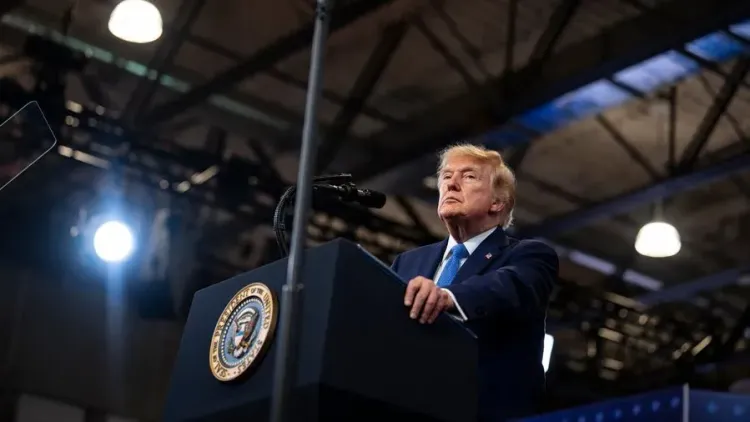
US President Donald Trump on Monday, 25 August 2025, announced that families can now use 529 education savings accounts to cover home-schooling expenses for the first time, while also doubling the annual withdrawal limit for elementary and secondary education costs to $20,000. The move, enacted through the One Big, Beautiful Bill Act signed on 4 July 2025, marks a significant broadening of who can benefit from tax-advantaged education savings in the United States.
What Changed Under the New Law
Previously, 529 plans — state-sponsored, tax-advantaged savings programmes — were primarily associated with college costs, with limited provisions for K-12 expenses. The One Big, Beautiful Bill Act now permits families to draw on these accounts for home-schooling costs, private school tuition, and religious school fees. The annual withdrawal cap for elementary and secondary education has been raised from $10,000 to $20,000.
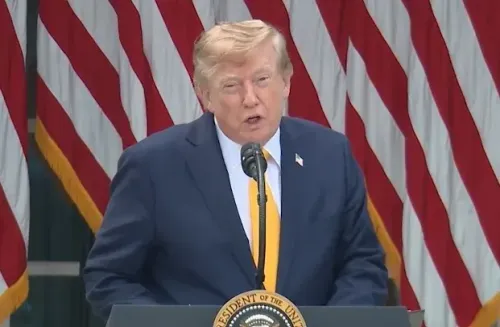
'As part of the great, big, beautiful bill, we have massively expanded 529 education saving accounts tremendously, doubling the annual withdrawal cap from K-12 expenses to $20,000 a year,' Trump said at a back-to-school event held in the White House Rose Garden.
A Home-Schooling Family at the White House
To illustrate the policy's real-world impact, Trump invited a home-schooling family from Jacksonville, Florida, to the Rose Garden event. The father, identified as Hubert, said he and his wife, Marina, had home-schooled their three children for roughly a decade — their eldest entering ninth grade, their daughter entering sixth grade, and their youngest son beginning third grade.
Hubert noted that he himself had been home-schooled from kindergarten through Grade 12 after his parents made that decision in 1988. 'Being able to have the extra resources to provide them with their needs, and also the option to support our children in the way that we see fit, means the world,' he said. He also pointed out that many home-schooling families depend on a single income because one parent takes on teaching responsibilities full-time.
Education Freedom Tax Credit and Other Provisions
Trump linked the 529 expansion to the Education Freedom Tax Credit, a separate provision within the same legislation. The credit allows taxpayers to receive up to $1,700 for contributions to non-profit organisations that provide scholarships covering tuition, books, and other basic educational expenses at public, private, or religious schools.
Education Secretary Linda McMahon framed the broader policy shift in terms of parental authority. 'Children belong to their parents, not the federal government,' McMahon said at the event.
Children's Investment Accounts and Private Commitments
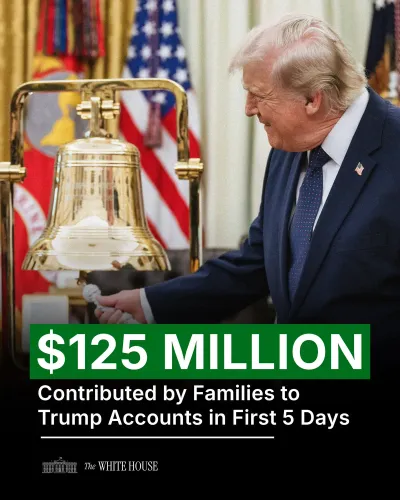
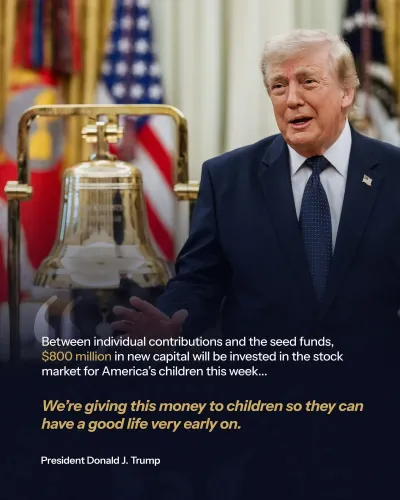
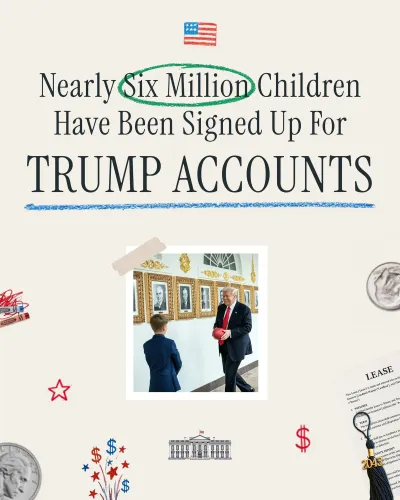
Trump also highlighted newly created investment accounts for children, saying every eligible newborn would receive $1,000. He cited more than $6 billion in private commitments from philanthropists Michael and Susan Dell in support of education-related initiatives under the legislation.
What This Means Going Forward
The expansion reflects a broader administration push to redirect education funding away from traditional public school structures and toward family-directed choices. Critics of such school-choice measures have argued in the past that tax advantages flowing to private and home-schooling options can reduce resources available to public schools, though the administration has not addressed that concern directly. With the law already signed, families can begin planning 529 withdrawals for home-schooling costs under the new $20,000 annual cap immediately.
Point of View
Moving beyond rhetoric to an actual tax mechanism that home-schooling and private-school families can use immediately. Yet the policy sidesteps the harder question: whether redirecting tax-advantaged savings toward non-public education gradually starves the public school system of political and financial support. The $6 billion Dell commitment is eye-catching, but private philanthropy has historically been uneven in reach — favouring families already equipped to navigate savings plans. The administration's framing of 'parental control' is politically potent, but the structural beneficiaries are disproportionately higher-income households with the disposable income to fund a 529 in the first place.
NationPress
25 Aug 2026
Frequently Asked Questions
What is the 529 account expansion announced by President Trump?
President Trump announced on 25 August 2025 that 529 education savings accounts — tax-advantaged, state-sponsored programmes — can now be used to pay for home-schooling costs for the first time. The annual withdrawal limit for elementary and secondary education expenses has also been doubled to $20,000 under the One Big, Beautiful Bill Act, signed on 4 July 2025.
When did the 529 home-schooling expansion take effect?
The change was enacted when President Trump signed the One Big, Beautiful Bill Act on 4 July 2025. The White House Rose Garden announcement on 25 August 2025 was a public rollout event to highlight the provision to families.
What is the Education Freedom Tax Credit?
The Education Freedom Tax Credit is a provision in the One Big, Beautiful Bill Act that allows taxpayers to receive up to $1,700 for contributions to non-profit organisations providing scholarships for education-related services. Those scholarships can cover tuition, books, and other basic expenses at public, private, or religious schools.
Who benefits most from the 529 home-schooling expansion?
Families who home-school their children and have existing or new 529 savings accounts stand to benefit directly, as they can now use those funds for home-schooling costs. The law also extends 529 eligibility to private and religious school expenses, broadening the benefit beyond home-schoolers.
What are the new children's investment accounts Trump mentioned?
Trump announced newly created investment accounts under which every eligible newborn in the United States would receive $1,000. He also cited more than $6 billion in private commitments from philanthropists Michael and Susan Dell in support of education initiatives tied to the legislation.