30 US senators urge Rubio to fix student visa delays before academic year
Synopsis
Thirty US senators — led by Angus King — have formally warned Secretary of State Marco Rubio that visa appointment shortages at embassies and consulates are threatening to lock out international students before the academic year begins. With $43 billion in economic activity and over 355,000 American jobs tied to international enrolment, the stakes extend well beyond campus gates.
Key Takeaways
30 US senators sent a formal letter to Secretary of State Marco Rubio on 25 August over student visa processing delays.
The letter calls for priority processing of F, M, and J visas and extension of interview waivers for vetted returning students.
International students contributed nearly $43 billion to US local communities and supported over 355,000 American jobs in the 2024-2025 academic year.
International students make up approximately 6% of the US higher-education population.
The State Department has been given 30 days to provide a written response detailing resources, priorities, and processing times.
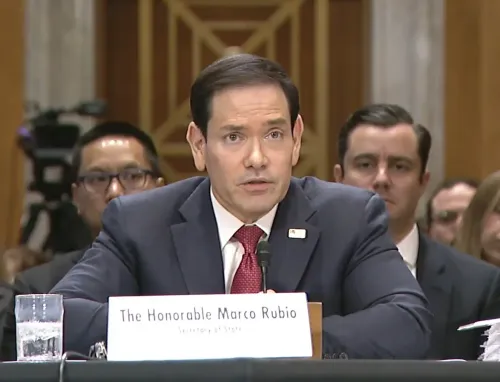
A bipartisan group of 30 US senators has formally urged Secretary of State Marco Rubio to resolve mounting delays in the processing of student and exchange visitor visas, warning that thousands of applicants may be unable to arrive in the United States before the new academic year begins. The letter, dated 25 August, highlights a critical bottleneck at several US embassies and consulates during peak application season.
What the Senators Are Demanding
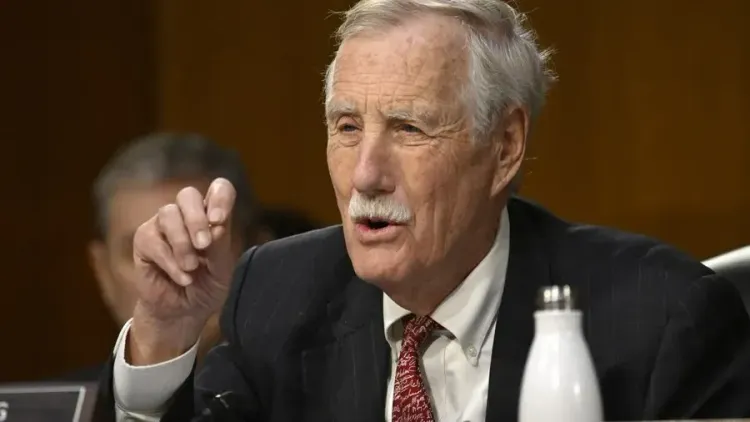
Led by independent Senator Angus King of Maine, the lawmakers called on the State Department to restore priority processing for F, M, and J visa applicants — covering academic students, vocational programme enrollees, and exchange scholars respectively. The letter specifically urges the department to extend interview waivers for vetted returning students, ensure adequate consular staffing, and provide greater transparency to both applicants and educational institutions about appointment availability and processing timelines.
'We write to express our concerns regarding the ongoing unavailability of visa appointments during the peak visa application season for students and scholars seeking to enter the U.S. in time for the start of classes and the academic year,' the senators wrote.
The Scale of the Problem
Constituents and academic stakeholders have reportedly flagged that timely appointments are simply unavailable at multiple diplomatic missions, creating deep uncertainty about whether admitted students will receive their visas before classes begin. The senators noted that the 'case-by-case nature of availability for access to expedited appointments or National Interest Exception requests is neither efficient nor sustainable.'
The lawmakers also asked the State Department to clarify what resources it has deployed to clear visa backlogs, whether processing priorities have shifted since the spring and summer of 2025, and what guidance has been sent to individual embassies and consulates. They requested the average processing time for F, M, and J visas at the five largest processing locations and sought details on how interview appointment slots are being allocated.
Why It Matters: Economic and Strategic Stakes
The senators underscored the considerable economic weight of international students in the US system. According to the letter, international students contributed nearly $43 billion to local communities and supported more than 355,000 American jobs during the 2024-2025 academic year. Although they constitute roughly 6% of the US higher-education population, their enrolment generates significant revenue for universities and expands opportunities for domestic students as well.
'These challenges come at a time when major academic institutions need skilled, international talent to begin their semesters,' the senators wrote. 'Without a fix, the repercussions will be felt across the academic and skilled-technical talent pipeline.'
The letter also raised national security dimensions, arguing that international students 'improve our national security by fostering global relationships, cross-cultural understanding, and long-lasting diplomatic ties' — benefits the senators warned are at risk if delays persist.
Who Signed the Letter
Among the signatories were Senators Dick Durbin, Cory Booker, Tammy Duckworth, Andy Kim, Amy Klobuchar, Elizabeth Warren, Chris Van Hollen, Raphael Warnock, Jeanne Shaheen, and Ron Wyden, representing a broad ideological cross-section of the Senate.
What Happens Next
The senators have requested a written response from the State Department within 30 days. With the academic year already underway at many institutions, the pressure on the department to act is immediate. How Rubio's office responds — and whether processing timelines improve before the semester window closes — will determine the scale of disruption to international enrolment across US universities this year.
Point of View
As the senators suspect, a letter may not be enough to reverse the damage for this academic cycle.
NationPress
9 Oct 2026
Frequently Asked Questions
Why are 30 US senators writing to Secretary Rubio about student visas?
The senators are concerned that appointment slots for F, M, and J student and exchange visitor visas are unavailable at several US embassies and consulates during peak season, risking delays that could prevent admitted students from reaching the US before the academic year begins. They are urging the State Department to restore processing priority and improve transparency.
Which visa categories are affected by the delays?
The letter focuses on F visas (academic students), M visas (vocational or non-academic programmes), and J visas (exchange programmes for students, scholars, and researchers). These are the primary visa categories used by international students and scholars entering the US.
What is the economic impact of international students in the US?
According to the senators' letter, international students contributed nearly $43 billion to US local communities and supported more than 355,000 American jobs during the 2024-2025 academic year. They represent approximately 6% of the US higher-education population.
What specific actions are the senators asking the State Department to take?
The senators have asked the State Department to restore priority interview slots for student visa applicants, extend interview waivers for vetted returning students, ensure adequate consular staffing, and provide greater transparency on appointment availability and processing timelines. They have also requested a written response within 30 days.
Who led the senate letter on student visa delays?
The letter was led by independent Senator Angus King of Maine and co-signed by 29 other senators including Dick Durbin, Elizabeth Warren, Amy Klobuchar, Cory Booker, and Raphael Warnock, among others.