Trump Holds Bilateral Meeting on Nov. 17, 2026

Synopsis
President Trump held a bilateral meeting at the White House on November 17, 2026, with the session broadcast live. The counterpart nation and agenda remain unconfirmed pending an official readout, though such engagements typically cover trade, security, and regional issues.
Key Takeaways
President Donald Trump participated in a bilateral meeting on November 17, 2026 .
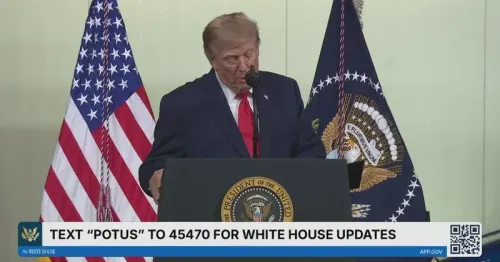
The White House broadcast the session live via its official X channel.
The identity of the foreign counterpart and specific agenda items have not been officially confirmed in a public readout.
Bilateral meetings under Trump's foreign policy approach are deal-oriented and direct, often producing trade or security announcements.
A joint communiqué or follow-on statement is expected to clarify the meeting's substance and strategic significance.
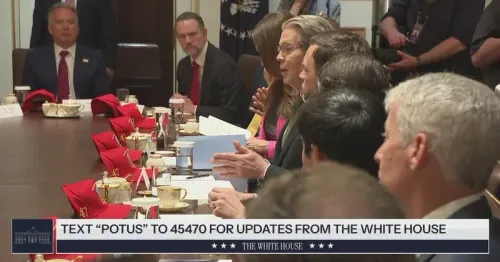
Diplomacy moved quietly but decisively at the White House on Monday, November 17, 2026, as President Donald Trump sat down for a bilateral meeting with a foreign counterpart — the kind of direct, one-on-one engagement that shapes the architecture of American foreign policy in real time.
The White House announced the session through its official communications channel, linking to a live broadcast of the engagement. While the identity of the visiting counterpart and the specific agenda items have not been officially confirmed in a public readout, bilateral meetings at this level routinely cover a trifecta of priorities: trade and economic ties, security cooperation, and regional flashpoints that demand coordinated responses.
What bilateral meetings mean at the Trump White House
Under Trump's foreign policy doctrine — characterised by a preference for direct, deal-oriented diplomacy over multilateral frameworks — bilateral meetings carry particular weight. Each session is an opportunity to press for specific concessions, affirm strategic alignments, or reset relationships that may have drifted. The format itself signals priority: a bilateral sit-down in the Oval Office or Cabinet Room is a deliberate statement of engagement.
US presidents conduct dozens of such meetings each year, both at the White House and on the margins of international summits. What distinguishes any single meeting is what follows it — a joint communiqué, a trade announcement, a security pact, or a pointed joint statement on a regional crisis. The diplomatic world will be watching for precisely that follow-on signal.
Why India watches every Trump bilateral closely
For India, any bilateral engagement at the White House carries downstream significance. The US-India relationship spans defence procurement, technology partnerships, trade negotiations, and diaspora policy — threads that run through nearly every major White House diplomatic encounter. Indian policymakers and business communities routinely parse the outcomes of Trump-era bilaterals for signals on tariff regimes, visa policy, and Indo-Pacific security posture.
Until a formal readout identifies the counterpart nation and the substance of November 17's discussions, the full strategic picture remains incomplete. But the meeting's confirmation is itself a data point — that the Trump administration is actively working its bilateral diplomatic calendar as the year closes.
The joint readout, if and when it lands, will tell the real story.
Point of View
Transactional, and designed to produce visible deliverables rather than multilateral consensus. The White House's decision to broadcast the session signals it was a substantive engagement rather than a courtesy call. For observers tracking the US's end-of-year diplomatic priorities, the counterpart's identity — once confirmed — will be the most important variable. India, given its layered strategic and economic ties with Washington, has particular reason to monitor who sat across the table.
NationPress
18 Nov 2026
Frequently Asked Questions
Who did Trump meet in the bilateral meeting on November 17, 2026?
The White House has not yet released an official readout confirming the identity of the foreign counterpart. Details are expected in a follow-on communiqué or statement.
What is a bilateral meeting at the White House?
A bilateral meeting is a one-on-one diplomatic engagement between the US President and a foreign head of state or government, typically covering trade, security, and regional issues specific to that relationship.
Where did Trump's bilateral meeting on November 17 take place?
The meeting took place at the White House in Washington DC on November 17, 2026 .
Why does India care about Trump's bilateral meetings?
The US-India relationship spans defence, technology, trade, and diaspora policy. Outcomes of Trump's bilateral meetings — especially on tariffs, Indo-Pacific security, and visa regimes — directly affect Indian interests.
What typically comes after a White House bilateral meeting?
After bilateral meetings, the White House usually releases a joint readout or communiqué outlining the topics discussed and any agreements or next steps announced by both sides.