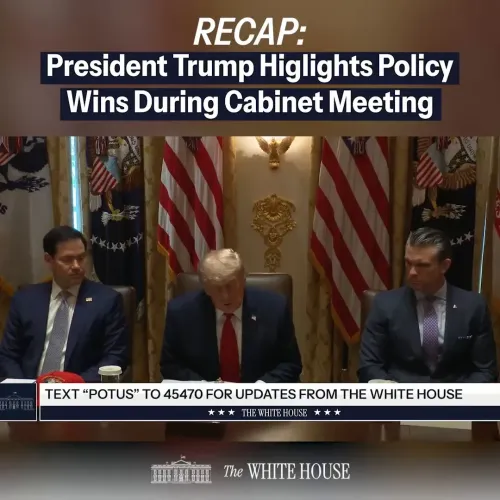
Trump Chairs Cabinet Meeting at the White House
Synopsis
President Donald Trump chaired a full Cabinet meeting at the White House on May 27, 2026. The session brought together executive department heads to align on administration priorities. Such meetings often precede executive orders or coordinated agency directives, making them a key indicator of White House policy direction.
Key Takeaways
President Trump convened a Cabinet meeting at the White House on May 27, 2026 .
The session was announced through the official White House communications account on X.
Cabinet meetings bring together the heads of the 15 executive departments and senior White House staff.
During Trump's first term ( 2017–2021 ), such meetings were used to drive alignment on regulatory reform, trade, and national security.
Follow-up executive orders or agency-level guidance may emerge in the days after the meeting.
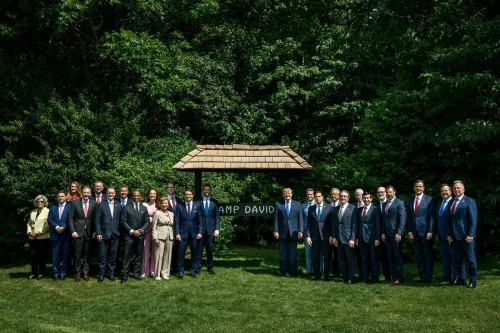
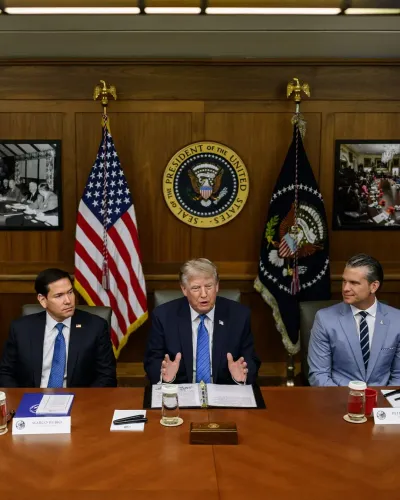
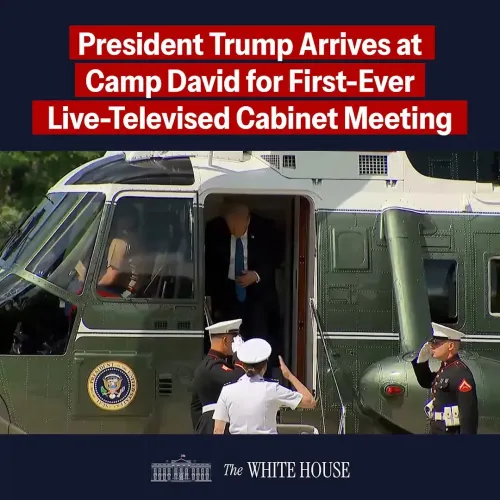
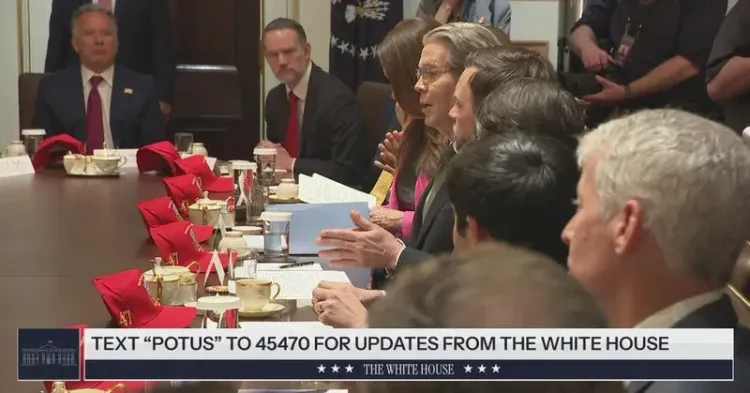
President Donald Trump convened a full Cabinet meeting at the White House on Wednesday, May 27, 2026, bringing together the heads of executive departments to coordinate administration priorities and review ongoing policy implementation across federal agencies.
Context
The White House announced the meeting via its official communications channel, describing the session simply as 'President Trump Participates in a Cabinet Meeting.' Cabinet meetings serve as the principal forum through which a sitting president aligns department secretaries on legislative goals, regulatory direction, and national security posture.
The gathering brings together cabinet secretaries and senior White House staff under one roof, allowing the executive branch to synchronise agency actions with the administration's broader agenda. Such sessions are typically held at intervals throughout the year and may precede the issuance of executive orders or agency-level guidance.
Policy Backdrop
The Cabinet of the United States is composed of the heads of the 15 executive departments, along with other senior officials the president designates as cabinet-level. During Trump's first administration (2017–2021), cabinet meetings were used to drive alignment on issues ranging from regulatory reform and immigration enforcement to national security and trade policy.
U.S. presidents across party lines have long used cabinet meetings as a recurring governance tool. The sessions are as much symbolic — projecting executive cohesion — as they are functional, with substantive deliberations typically occurring in smaller, agency-specific settings or through the National Security Council.
Stakeholders and Impact
Cabinet secretaries heading departments including State, Defense, Treasury, Justice, and Homeland Security are among those expected to participate in such gatherings. Senior White House staff, including the Chief of Staff and key policy advisers, typically attend as well.
The outcomes of cabinet meetings can directly shape federal agency priorities, budget allocations, and the pace of regulatory action — decisions that carry downstream consequences for American businesses, state governments, and international partners, including India, which maintains significant diplomatic and trade ties with Washington D.C.
What's Next
Observers will watch for any executive orders, policy memoranda, or public statements from individual cabinet members that may signal the specific subjects discussed during the May 27 session. Cabinet meetings often serve as a staging point for coordinated announcements across multiple agencies in the days that follow.
As the Trump administration continues to advance its second-term agenda, the frequency and public visibility of cabinet meetings will remain a key indicator of how the White House is managing inter-agency coordination and legislative priorities heading into the latter half of 2026.
Point of View
Whether regulatory, fiscal, or national security-related. For observers tracking the US-India relationship, the priorities that emerge from such sessions can shape Washington's posture on trade, technology, and defence cooperation. Cabinet meetings are as much a governance signal as they are a working session, and their aftermath — in the form of executive orders or agency guidance — is where their real policy weight is felt.
NationPress
22 Sept 2026
Frequently Asked Questions
What is a US Cabinet meeting?
A US Cabinet meeting is a formal gathering convened by the President that brings together the heads of the 15 executive departments and other senior officials to coordinate policy and align agency actions with White House priorities.
When did Trump hold his Cabinet meeting in 2026?
President Trump held a Cabinet meeting at the White House on Wednesday, May 27, 2026 , as announced through the official White House account on X.
Who attends a White House Cabinet meeting?
Cabinet meetings are attended by the secretaries of all major executive departments — including State, Defense, Treasury, and Justice — along with senior White House staff such as the Chief of Staff and key policy advisers.
What happens after a US Cabinet meeting?
Following a Cabinet meeting, the administration may issue executive orders, policy memoranda, or coordinated public statements from individual departments, making the days after such a session important to watch for policy signals.
How does a Trump Cabinet meeting affect India?
The policy priorities set in White House Cabinet meetings can influence US positions on trade, technology exports, and defence cooperation — all areas with direct implications for India-US bilateral relations.