Trump Vows to Protect US Farmers, Speaks in Wisconsin
Synopsis
President Donald J. Trump, speaking in Chippewa Falls, Wisconsin, reaffirmed on June 7, 2026 that his administration fights daily to protect American farmers' jobs and livelihoods. The statement builds on a first-term record of $28 billion in farm aid and trade deals designed to shield US agriculture from global market pressures.
Key Takeaways
President Trump made a direct statement in Chippewa Falls, Wisconsin on June 7, 2026 pledging daily White House action to protect farmers.
The Trump administration disbursed approximately $28 billion in direct farm aid during the 2018–2019 US-China trade dispute.
Wisconsin is a top US dairy-producing state and a recurring focal point of Trump's agricultural outreach.
The USMCA , effective 2020 , expanded market access for US dairy exports to Canada and Mexico .
The next Farm Bill reauthorization is expected to be considered by 2028 , representing a key upcoming policy milestone.
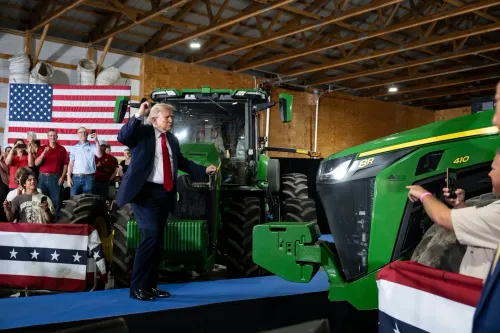
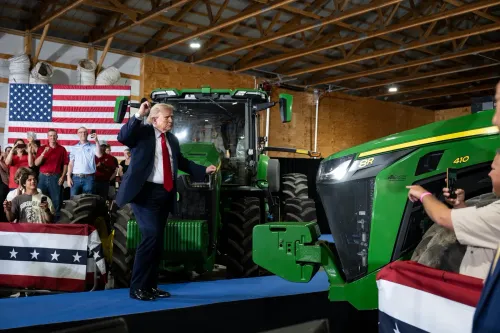
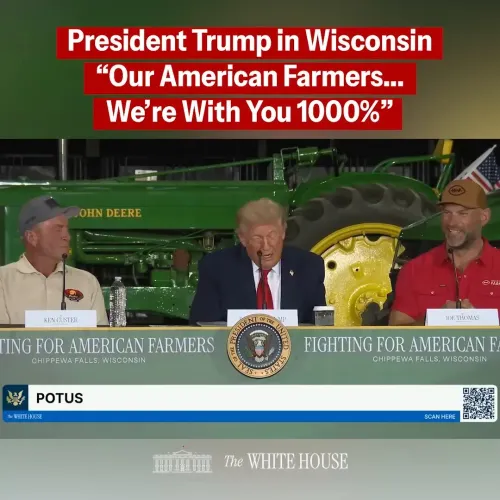
The White House shared a statement from President Donald J. Trump on Sunday, June 7, 2026, quoting him directly as he addressed supporters in Chippewa Falls, Wisconsin, reaffirming his administration's commitment to American agricultural workers.
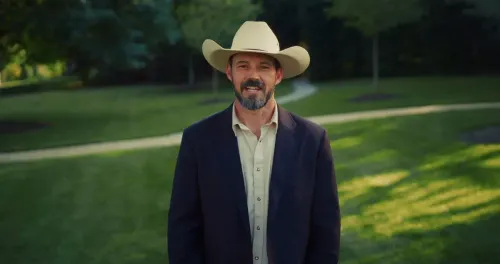
Speaking from the western Wisconsin city, President Trump declared: 'Every day my administration is fighting to protect and defend the jobs and livelihood of our GREAT farmers.' The statement was accompanied by a video post shared via the official White House account on X.
Context
Chippewa Falls sits at the heart of a rural agricultural belt in western Wisconsin, a region anchored by dairy operations, grain cultivation, and livestock farming. Wisconsin is among the top dairy-producing states in the country, making it a politically and economically significant stop for any administration seeking to signal its commitment to rural America.
The June 7 appearance continues a pattern of Trump-era messaging that pairs direct presidential outreach to farming communities with broader policy actions aimed at shielding domestic agriculture from global competition and market volatility.
Policy Backdrop
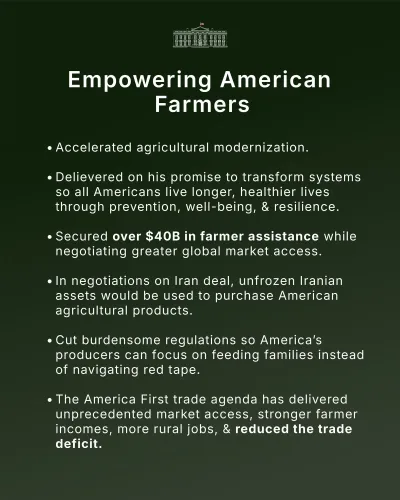
President Trump's second term, which began in January 2025, has carried forward the protectionist agricultural posture of his first administration. During his first term, the administration disbursed approximately $28 billion in direct aid to farmers to offset losses stemming from retaliatory tariffs during the 2018–2019 US-China trade dispute.
The 2020 Phase One Economic and Trade Agreement with China committed Beijing to substantially increased purchases of American agricultural commodities, while the USMCA — which replaced NAFTA and took effect in 2020 — expanded market access for US dairy and other farm exports to Canada and Mexico. The 2018 Farm Bill, which reauthorized crop insurance, conservation programs, and commodity supports, remained a foundational instrument of agricultural policy into the second Trump term.
Stakeholders and Impact
The statement speaks most directly to Wisconsin dairy producers and the broader community of American farmers who have faced persistent pressures from fluctuating commodity prices, shifting export demand, and import competition. Wisconsin has featured repeatedly in Trump's agricultural messaging, reflecting both its concentrated farm interests and its electoral significance as a key Midwestern battleground state.
Farm-sector stakeholders — including crop insurance beneficiaries, dairy cooperatives, and grain growers — have historically been among the constituencies most attentive to signals from the executive branch about trade policy, subsidy continuity, and bilateral deal-making.
What's Next
Congressional deliberations over the next Farm Bill reauthorization, expected to be taken up ahead of 2028, will be a critical test of how the administration's stated commitments translate into legislative outcomes. Any new tariff actions, import quotas, or bilateral agricultural trade agreements will be closely watched by producers in Wisconsin and across the farm belt.
The administration's approach — pairing presidential visibility in agricultural communities with trade and subsidy mechanisms — signals that rural economic interests will remain a central pillar of White House political and policy strategy through the remainder of the second term.
Point of View
Trade renegotiations, and bilateral deal-making that began in the first term. With Farm Bill reauthorization approaching and global trade conditions remaining uncertain, the administration appears to be pre-positioning its agricultural credentials. The choice of Wisconsin — a major dairy state and political bellwether — underscores that farm policy and electoral strategy remain deeply intertwined in the Trump White House.
NationPress
19 Sept 2026
Frequently Asked Questions
What did Trump say about farmers in Wisconsin on June 7 2026?
President Trump stated that 'every day my administration is fighting to protect and defend the jobs and livelihood of our GREAT farmers,' speaking from Chippewa Falls, Wisconsin, on June 7, 2026.
How much aid did the Trump administration give to farmers during the trade war?
During the 2018–2019 US-China trade dispute, the Trump administration disbursed approximately $28 billion in direct aid to American farmers to offset losses caused by retaliatory tariffs.
Why is Wisconsin important for US farm policy?
Wisconsin is one of the top dairy-producing states in the United States, with significant dairy, grain, and livestock sectors. It is also an electorally competitive Midwestern state, making it a frequent focus of presidential agricultural messaging.
What is USMCA and how does it affect US farmers?
The USMCA is a trade agreement that replaced NAFTA and took effect in 2020. It expanded market access for US dairy and other agricultural exports to Canada and Mexico, benefiting American farm producers.
When is the next US Farm Bill expected?
The next Farm Bill reauthorization is expected to be taken up by Congress ahead of 2028. It will determine the future of crop insurance, conservation programs, and commodity supports for American farmers.