Trump, Putin, Xi trilateral summit at APEC Shenzhen today, 19 Nov
Synopsis
For the first time in history, the leaders of the United States, Russia, and China are sitting down together — not for a deal, but to open a conversation on nuclear arms reduction. That the meeting is happening at all, on APEC's sidelines in Shenzhen, is the story; what emerges from it could redraw the architecture of great-power diplomacy.
Key Takeaways
Trump , Putin , and Xi Jinping are holding the first-ever US-Russia-China trilateral summit at APEC in Shenzhen on 19 November 2026 .
The talks will focus on nuclear arms reduction as an opening dialogue; a senior US official confirmed no agreement is expected.
Iran will be raised by Trump; Ukraine is deliberately excluded from the trilateral agenda, with Russia-Ukraine talks proceeding separately.
Trade discussions will centre on implementing existing arrangements, not a new deal; Washington is dissatisfied with China's pace of rare earths shipments.
The Busan agreement received only a two-month extension over rare earths delays, down from an expected six months.
The summit concludes Trump 's visit to China, which also includes a stop in the Philippines .
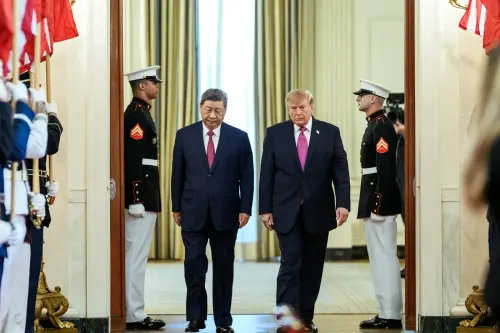
US President Donald Trump, Russian President Vladimir Putin, and Chinese President Xi Jinping are scheduled to hold a historic first-ever trilateral summit on Thursday, 19 November 2026, on the sidelines of the Asia-Pacific Economic Cooperation (APEC) forum in Shenzhen, China. The three-way meeting — the first of its kind among the leaders of the world's three largest nuclear powers — is expected to open a conversation on nuclear arms reduction, though senior US officials have cautioned that no binding agreement is anticipated.
Xi Receives Trump at Shenzhen Airport
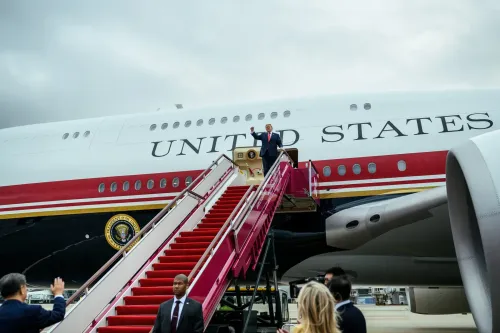
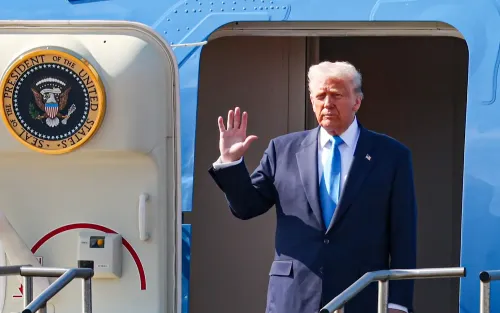
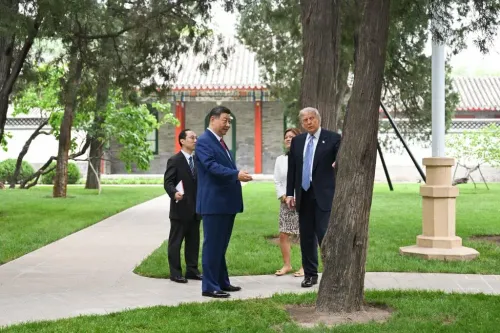
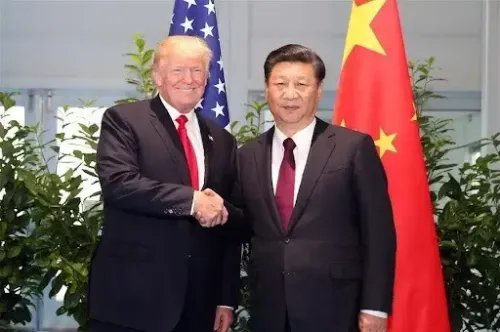
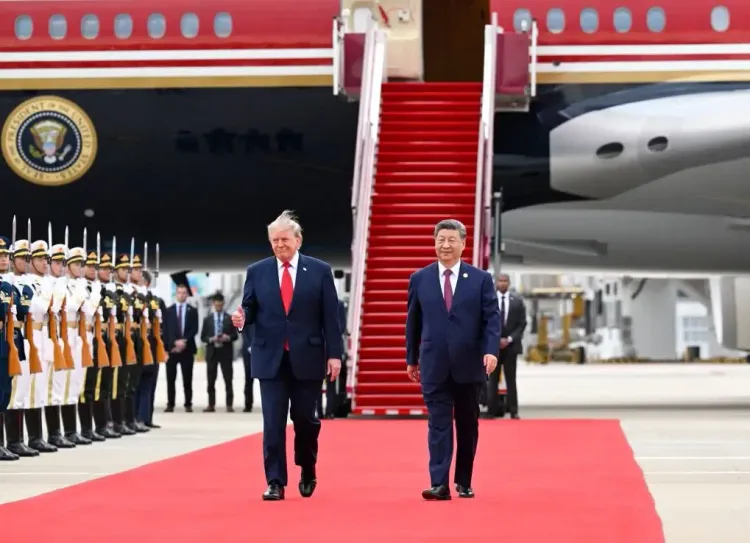
Xi Jinping personally welcomed Trump at Shenzhen Bao'an International Airport in Guangdong Province on Wednesday, in a ceremony marked by military pageantry. Honour guards of the Chinese People's Liberation Army presented arms, a military band played both national anthems, and fighter jets flew overhead in salute. A young girl handed the US president a bouquet as the two leaders shook hands warmly before waving to a welcoming crowd.
Xi recalled his state visit to the United States in September this year, noting that China values 'reciprocating goodwill' as a nation with a tradition of courtesy. He said he looked forward to 'in-depth exchanges' with Trump on 'major issues concerning bilateral relations, Asia-Pacific cooperation and the global landscape,' with the stated goal of advancing 'a constructive China-US relationship of strategic stability based on respect, fairness and reciprocity.'
Trump thanked Xi for the personal airport reception, calling China 'a great country' and Xi 'a great leader.' He expressed confidence that the visit would 'further advance bilateral relations and achieve complete success.'
Nuclear Talks: A Beginning, Not a Deal
The centrepiece of the trilateral format is an opening dialogue on reducing nuclear arsenals. A senior US official, speaking on condition of anonymity, described the planned talks as 'the beginning of a conversation' rather than a negotiation expected to produce an immediate pact. White House Assistant Press Secretary Olivia Wales confirmed that the meeting would conclude Trump's visit to China.
'We do not expect to get to any kind of agreement,' the official said, underscoring the exploratory nature of the encounter. Notably, this is the first time leaders of the United States, Russia, and China have sat together in a formal trilateral setting — a development that carries symbolic weight even without a headline agreement.
Iran on the Table, Ukraine Is Not
Trump also intends to raise Iran during the three-way meeting, according to the US official. However, Ukraine is not expected to feature on the trilateral agenda; the official said discussions with Russia on Ukraine are proceeding through a separate diplomatic track.
This comes amid ongoing tensions over the conflict in eastern Europe, where the US and Russia have engaged in fragmented back-channel contacts. The deliberate exclusion of Ukraine from the Shenzhen agenda signals that Washington is compartmentalising its approach — pursuing arms-reduction dialogue without conflating it with the most active European security crisis in decades.
Trade: Implementing Existing Deals, Not New Ones
On the economic front, the senior US official indicated that bilateral trade discussions with China would focus on implementing existing arrangements rather than unveiling a new tariff agreement. US Trade Representative and Treasury officials had already met their Chinese counterparts through the Board of Trade earlier in the week, covering potential tariff changes and non-tariff barriers.
Washington reportedly remains dissatisfied with the pace and volume of Chinese shipments of rare earths and related products — a friction point that contributed to the so-called Busan agreement receiving only a two-month extension rather than the originally anticipated six months. Trump is expected to press Xi directly on the rare earths issue during their bilateral interactions.
What Comes Next
The trilateral summit is the culmination of Trump's current Asia tour, which also includes a stop in the Philippines. Analysts will watch closely for any joint communiqué language or even an informal readout that signals whether the three powers can sustain this format beyond Shenzhen. With nuclear arsenals, trade frictions, and regional security all in play, the conversations begun here are likely to shape the geopolitical calendar well into 2027.
Point of View
Yet the mere convening of Washington, Moscow, and Beijing in a trilateral format is a structural shift in great-power diplomacy — one that sidelines multilateral institutions and suggests the three capitals now prefer direct leader-level contact. The deliberate exclusion of Ukraine from the agenda is a signal in itself: the US appears willing to wall off arms-reduction dialogue from its most active security commitment. And the rare earths dispute — quiet but consequential — may prove to be the summit's most durable pressure point, with the Busan agreement's truncated extension hinting at the fragility beneath the summit's optics.
NationPress
19 Nov 2026
Frequently Asked Questions
What is the Trump-Putin-Xi trilateral summit at APEC about?
It is the first-ever three-way meeting between US President Donald Trump, Russian President Vladimir Putin, and Chinese President Xi Jinping, held on 19 November 2026 on the sidelines of the APEC forum in Shenzhen, China. The primary agenda includes opening a dialogue on nuclear arms reduction, the Iran issue, and US-China trade implementation.
Is a nuclear agreement expected from the Shenzhen summit?
No. A senior US official described the nuclear talks as 'the beginning of a conversation' and explicitly stated, 'We do not expect to get to any kind of agreement.' The meeting is intended to initiate dialogue on reducing nuclear arsenals, not to conclude a treaty.
Will Ukraine be discussed at the trilateral summit?
Ukraine is not on the trilateral agenda, according to US officials. Discussions with Russia on Ukraine are proceeding through a separate diplomatic track, with the US deliberately keeping the two processes distinct.
What is the rare earths dispute between the US and China?
Washington reportedly remains dissatisfied with the pace and volume of Chinese shipments of rare earths and related products. This contributed to the Busan agreement receiving only a two-month extension instead of six months. Trump is expected to raise the issue directly with Xi during their interactions in Shenzhen.
How did Xi Jinping receive Trump ahead of the APEC summit?
Xi personally welcomed Trump at Shenzhen Bao'an International Airport on Wednesday with a full state ceremony, including PLA honour guards, military band performances of both national anthems, and a fighter jet flypast. Xi cited China's tradition of 'reciprocating goodwill,' referencing Trump's own reception of Xi in the US in September.