Trump says military leakers 'should be shot' after Iran strike details leaked
Synopsis
At a campaign rally in Arizona, Trump declared leakers of military secrets 'should be shot,' claiming classified B-2 bomber timing details were published by The New York Times and CNN before a planned strike on Iranian nuclear facilities — forcing a two-day postponement. The remarks are among the most extreme public statements by a sitting US president on press freedom and leak punishment.
Key Takeaways
US President Donald Trump said at a rally in Bullhead City, Arizona on 15 October that military leakers 'should be shot.' Trump alleged that departure and arrival times of B-2 stealth bombers targeting Iranian nuclear facilities were leaked to The New York Times and CNN .
He claimed the leak forced him to postpone the mission after consulting General Razin Caine ; the operation was reportedly carried out two days later .
Trump did not identify the alleged leaker or provide evidence establishing who disclosed the information.
The Espionage Act governs unauthorised disclosure of national defence information in the US, but no modern president had previously advocated lethal punishment for leakers.
The remarks were made ahead of the November 3 congressional midterm elections at a Republican campaign event.
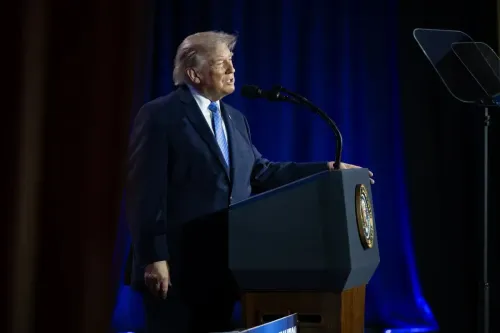
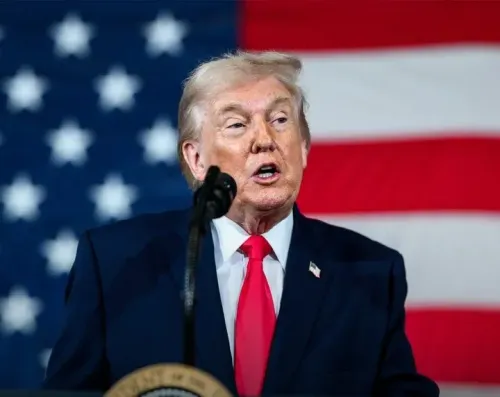
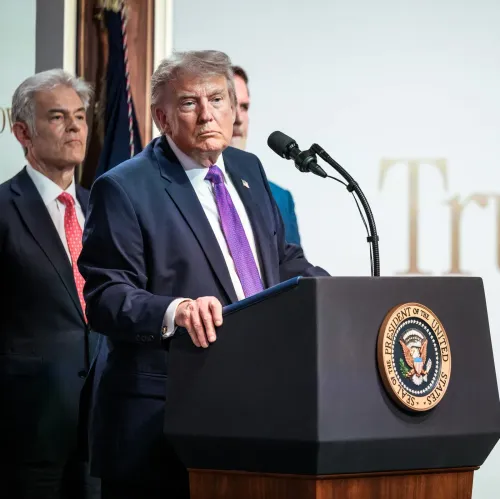
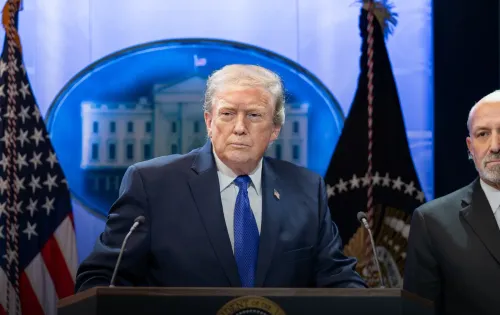
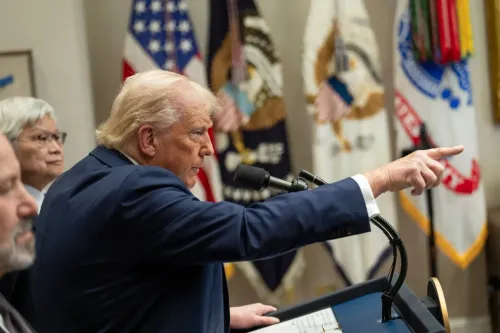
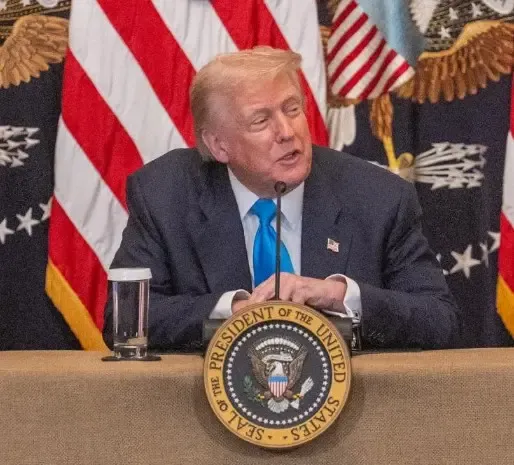
US President Donald Trump declared at a campaign rally that people who leak sensitive military information 'should be shot,' alleging that classified operational details of American strikes against Iran had been disclosed to the media, forcing him to alter the timing of a planned mission. Trump made the remarks on 15 October at a rally in Bullhead City, Arizona, held ahead of the November 3 congressional midterm elections.
What Trump Alleged
According to Trump, information about the departure and arrival times of B-2 stealth bombers departing from Missouri had been published by The New York Times and CNN before a planned operation targeting Iranian nuclear facilities. He claimed the disclosures were sufficiently sensitive to compromise the mission entirely. Trump did not identify the alleged leaker, name a suspect, or present evidence of who was responsible. He also did not confirm whether any formal investigation had been opened.
Trump's Remarks in His Own Words
'But they leaked. Leakers should be — in my opinion, leakers should be shot. They should be shot,' Trump told supporters. In a separate passage, he added: 'They ought to go to jail and be shot. For the rest of their life, they should be in jail.' He further described leakers as 'the scum of the earth,' arguing that disclosing operational details during an active military campaign warranted especially severe punishment. 'In the old days, we used to shoot leakers, you know, when — when they leak what time you're going to attack a country,' he said.
The Postponement and Eventual Strike
Trump claimed that after consulting General Razin Caine on the potential consequences of proceeding, he ordered the mission postponed despite objections from pilots who had already prepared for the assignment. 'I said let's change the time. So, I called off the raid. And you know who the unhappiest people were? The pilots. They were miserable,' he said. According to his account, the operation was carried out two days later using the same departure time that had originally been leaked — a scheduling choice Trump argued caught Iranian forces off guard, claiming they had been waiting but failed to detect the bombers.
Legal and Political Context
Trump's account of the alleged leak, the postponement, and the subsequent mission could not be independently verified from his rally remarks alone. The United States maintains criminal statutes governing the unauthorised disclosure of national defence information, most notably the Espionage Act, which is among the principal federal laws used in cases involving the unlawful retention or transmission of classified material. Notably, Trump himself has faced Espionage Act-related charges in a separate federal case concerning classified documents — a contradiction critics have been quick to highlight. The rally was staged to bolster Republican prospects in the upcoming midterm elections, and the remarks were delivered to a partisan crowd, lending them a campaign-speech register beyond formal policy announcements.
Wider Implications
Trump's call for lethal punishment of leakers escalates the rhetorical stakes around press freedom and government transparency at a sensitive moment in US-Iran relations. Administrations of both parties have aggressively prosecuted leaks under the Espionage Act, but no US president has publicly suggested the death penalty for leakers in the modern era. Whether this translates into formal policy proposals or remains campaign-trail rhetoric remains to be seen — but the statement is already drawing sharp reactions from civil liberties groups and press freedom advocates.
Point of View
Press freedom, and his own legal exposure under the very Espionage Act he invokes. The absence of any identified suspect or formal investigation makes the statement function primarily as campaign rhetoric — but rhetoric from the Oval Office carries policy weight that rally-crowd framing cannot entirely neutralise. Historically, the US has prosecuted leakers aggressively without publicly advocating extrajudicial lethal punishment; the shift in register matters. The claim that repeating the leaked departure time 'caught Iran by surprise' is also a striking operational disclosure in its own right — raising the question of whether the president's own rally remarks constitute the kind of sensitive information he says deserves lethal sanction.
NationPress
15 Oct 2026
Frequently Asked Questions
What did Trump say about military leakers at his Arizona rally?
Trump said leakers of sensitive military information 'should be shot,' alleging that classified timing details of a B-2 bomber mission against Iranian nuclear facilities had been published by The New York Times and CNN. He made the remarks on 15 October at a campaign rally in Bullhead City, Arizona.
What military operation was Trump referring to?
Trump claimed a planned strike on Iranian nuclear facilities involving B-2 stealth bombers departing from Missouri had its departure and arrival times leaked to media before the operation. He said he postponed the mission after consulting General Razin Caine, and that it was ultimately carried out two days later.
Did Trump identify who leaked the information?
No. Trump did not name a specific suspect, present evidence, or confirm whether a formal investigation had been opened into the alleged disclosures.
What are the existing US laws on leaking classified military information?
The United States has long maintained criminal statutes governing unauthorised disclosure of national defence information. The Espionage Act is the principal federal law used in such cases and can carry severe penalties, though it does not prescribe the death penalty for leaking classified information.
Why are Trump's remarks considered significant beyond the rally context?
No modern US president has publicly called for leakers to be shot, making the statement a departure from legal and rhetorical norms. Critics note the irony that Trump himself has faced Espionage Act-related charges in a separate case, and press freedom groups argue the remarks signal a further erosion of whistleblower and journalist protections.