Trump warns Iran: '1,000 missiles locked and loaded' over assassination threats
Synopsis
Donald Trump declared on Truth Social that 1,000 US missiles are 'locked and loaded' aimed at Iran — and threatened a year-long campaign to 'completely decimate' the country if Tehran acts on alleged assassination plots against him. The warning came hours after Israeli intelligence flagged a possible Iranian plot, splitting US officials on its credibility, and amid renewed US strikes following Iranian attacks in the Strait of Hormuz.
Key Takeaways
President Donald Trump on 11 July warned Iran that 1,000 missiles are 'locked and loaded' and aimed at the Islamic Republic .
Trump threatened a one-year military campaign to 'completely decimate and destroy all areas of Iran' if any assassination attempt is made against him.
The warning followed a funeral procession for Ayatollah Ali Khamenei where anti-US slogans were reportedly raised and a billboard depicted Trump with a bullet aimed at his head.
Israeli intelligence shared a tip about a possible Iranian assassination plot; some US officials did not consider it fully credible, according to The Wall Street Journal .
CNN reported the intelligence reflected general discussion among Tehran hardliners rather than a specific operational plot.
The escalation follows renewed US strikes on Iran after Iranian attacks on ships in the Strait of Hormuz .
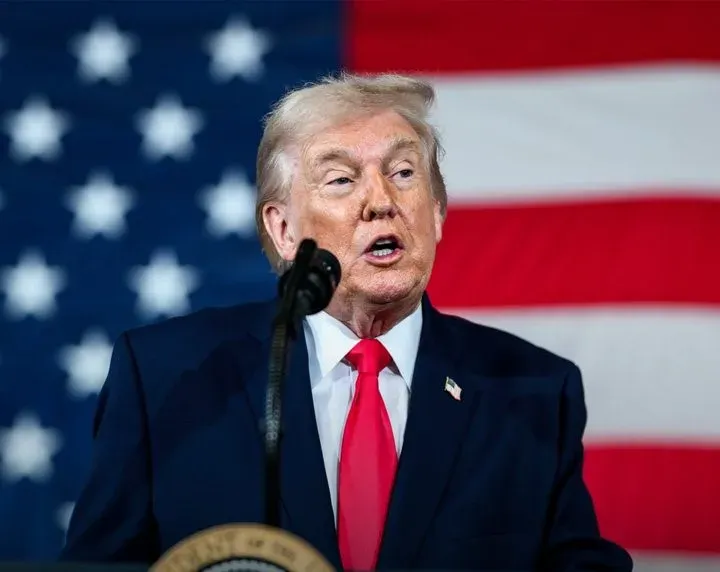
US President Donald Trump on Saturday, 11 July issued a stark military warning to Iran, declaring that 1,000 missiles are aimed at the Islamic Republic and ready to fire if Tehran acts on what he described as threats against his life. The warning, posted on his Truth Social platform, marks one of the most direct and escalatory statements from a sitting US president toward Iran in recent years.
What Trump Said
In his own words, President Trump wrote: '1000 Missiles are Locked and Loaded and aimed at the Islamic Republic of Iran, with thousands of more to immediately follow, should the Iranian Government act on its threat, pronounced in many corners of the Globe, to assassinate, or attempt to assassinate, the sitting President of the United States of America, in this case, ME!'
He went further, stating that 'Orders have already been given, and the US Military is ready, willing, and able, for a one-year period of time, subject to extension, to completely decimate and destroy all areas of Iran.' The language was unambiguous: a prolonged, large-scale military campaign, not a targeted strike, is what Trump is threatening.
What Triggered the Warning
The remarks followed a funeral procession for Iran's Supreme Leader Ayatollah Ali Khamenei, during which reports emerged of anti-US slogans and alleged calls for the American president's killing. Mourners reportedly passed beneath a bridge displaying a billboard featuring an image of President Trump with a bullet aimed at his head.
Separately, US officials are examining intelligence shared by Israel about a possible Iranian plot to assassinate President Trump — a warning credible enough, according to The Wall Street Journal, to prompt a decision to move him to an older, better-protected Air Force One during his return from Turkey. Some US officials, however, reportedly did not consider the information entirely credible. CNN reported that the intelligence pointed to more general discussion among hardliners in Tehran about killing the president, rather than a specific operational plot.
Broader Escalation Context
The warning came as President Trump had already ordered renewed US strikes on Iran following Iranian attacks on ships in the Strait of Hormuz. That escalation has raised concerns across the region that Tehran could retaliate against the US and its allies in the Middle East. This is not the first time Washington and Tehran have exchanged high-stakes threats — the killing of General Qasem Soleimani in 2020 brought the two countries to the brink — but the specificity and scale of Trump's language on Saturday is notable even by those standards.
Intelligence Credibility Debate
A split within US intelligence circles over the Iran threat assessment adds a layer of complexity. While Israeli intelligence flagged a fresh Iranian plan, some American officials were sceptical of its reliability. This divergence matters: if the threat is overstated, Trump's response risks inflaming an already volatile region without a verified provocation. If it is understated, the security implications for the president and US assets abroad are severe.
What Comes Next
The exchange of threats raises the immediate question of whether diplomatic back-channels remain active between Washington and Tehran. Regional allies, including Saudi Arabia and the UAE, will be watching closely, as any military escalation in the Persian Gulf carries direct economic consequences for global oil markets. The situation remains fluid, and further statements from both governments are expected in the coming days.
Point of View
The US has handed Tehran a propaganda win without a verified provocation. More troubling is the one-year military authorisation framing — whether rhetorical or operational, it signals a willingness to sustain conflict that markets, Gulf allies, and global oil supply chains will price in immediately. The real question mainstream coverage is underplaying: what is the off-ramp, and does either side currently want one?
NationPress
10 Oct 2026
Frequently Asked Questions
What did Trump say about Iran and the missiles?
President Trump posted on Truth Social on 11 July that '1,000 missiles are locked and loaded' aimed at Iran, threatening to 'completely decimate and destroy all areas of Iran' for a one-year period if Tehran acts on alleged threats to assassinate him. He stated that orders have already been given to the US military.
Why is Trump threatening Iran with military action?
Trump cited alleged Iranian threats to assassinate him, which he said have been 'pronounced in many corners of the Globe.' The warning also followed a funeral procession for Ayatollah Ali Khamenei where mourners reportedly displayed a billboard depicting Trump with a bullet aimed at his head.
What did Israeli intelligence say about the Iran assassination plot?
According to The Wall Street Journal, Israel shared intelligence with the US about a possible Iranian plot to kill President Trump — credible enough to prompt a change in his Air Force One aircraft during his return from Turkey. However, some US officials did not consider the information entirely credible, and CNN reported it reflected general discussion among Tehran hardliners rather than a specific plot.
How does this fit into the broader US-Iran tensions?
The warning came after Trump had already ordered renewed US strikes on Iran following Iranian attacks on ships in the Strait of Hormuz. The latest exchange of threats is part of a sustained escalation cycle, raising concerns about Iranian retaliation against US interests and allies across the Middle East.
Is a US military strike on Iran imminent?
No strike has been confirmed as imminent. Trump's statement is framed as a conditional warning — military action would follow only if Iran acts on assassination threats. However, the situation remains highly volatile, with both sides trading escalatory statements and no visible diplomatic off-ramp currently in place.