Gadkari Chairs BRICS Transport Meet to Boost Connectivity
Synopsis
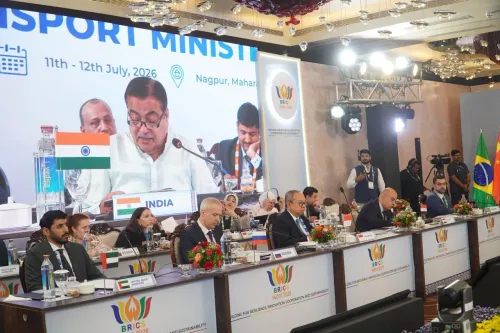
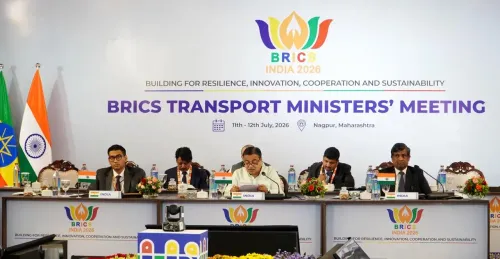
Union Minister Nitin Gadkari on 11 July 2026 spotlighted a BRICS ministerial meeting on transport, held under India's 2026 chairship, to deepen connectivity, share perspectives, and build a sustainable transport framework among member nations.
Key Takeaways
Union Minister Nitin Gadkari highlighted a BRICS transport ministerial meeting held on 11 July 2026 under India's BRICS Chairship.
The meeting aimed to strengthen cooperation, exchange perspectives, and advance shared priorities for a more connected, resilient, and sustainable transport sector .
BRICS has maintained a transport working group since the 2015 Ufa Summit , with India previously hosting a similar meeting in 2021 .
India's domestic programmes — Bharatmala and PM Gati Shakti — provide the policy foundation for India's push on multilateral transport connectivity.
Stakeholders include BRICS transport ministries , logistics operators, port authorities, and highway developers across member nations.
Observers are watching for a formal BRICS Transport Connectivity Action Plan to emerge from India's chair year in 2026.
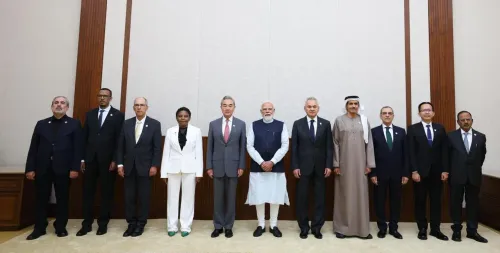
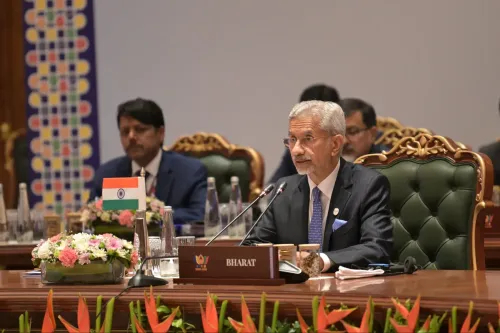
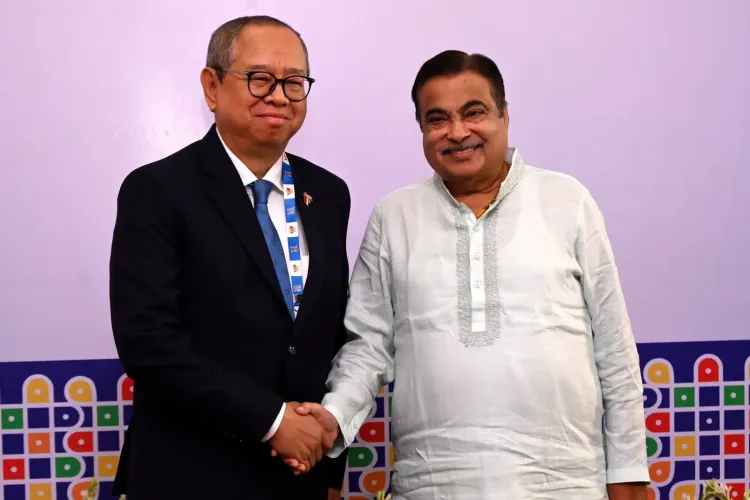
Union Road Transport and Highways Minister Nitin Gadkari on Saturday, 11 July 2026 highlighted a ministerial-level meeting of BRICS member countries focused on strengthening cooperation in the transport sector, sharing perspectives on cross-border connectivity, and advancing shared priorities for a more resilient and sustainable transport ecosystem.
Context
The meeting, convened under India's BRICS Chairship in 2026, brought together delegates from BRICS member countries to discuss the future of connected and sustainable transport. Gadkari noted that the gathering was aimed at building a 'more connected, resilient, and sustainable transport sector' — language that reflects the broader ambitions India has set for its chair year.
India assumed the BRICS Chairship in 2026, making it the host nation for a full calendar of summits and sectoral ministerial meetings. Transport has emerged as one of the key tracks in this engagement, sitting alongside finance, trade, and digital cooperation.
Policy Backdrop
BRICS — the grouping of Brazil, Russia, India, China, and South Africa, expanded with new members in 2024 — has maintained a working group on transport since the 2015 Ufa Summit, which periodically convenes to align member nations on sustainable infrastructure frameworks. India previously hosted a BRICS transport ministers' meeting during its 2021 summit, focusing on connectivity and digital logistics.
Domestically, Gadkari's ministry has anchored India's infrastructure push through flagship programmes such as Bharatmala and the PM Gati Shakti National Master Plan, which together aim to build multimodal logistics networks spanning roads, ports, and rail. BRICS platforms have become a key diplomatic channel for India to internationalise this connectivity vision and seek alignment with partner nations on cross-border infrastructure standards.
Since 2014, Gadkari has overseen a significant expansion of the National Highways network, and his ministry has increasingly positioned Indian road and logistics policy within multilateral frameworks to attract investment and technical cooperation.
Stakeholders and Impact
The primary stakeholders in this engagement are the transport ministries of BRICS member nations and the broader logistics and infrastructure industry that operates across these economies. A coordinated BRICS approach to transport can open corridors for cross-border freight, harmonise vehicle and safety standards, and unlock financing for shared infrastructure projects.
For India, the gains are both strategic and economic — closer transport linkages with BRICS partners support trade diversification, reduce logistics costs, and reinforce India's positioning as a connectivity hub in the Indo-Pacific and Eurasian corridors. The logistics industry, port operators, and highway developers stand to benefit from any formal cooperation frameworks that emerge from such ministerial exchanges.
What's Next
With India holding the BRICS Chair through 2026, observers will watch closely for the adoption of a formal BRICS Transport Connectivity Action Plan — a document that could set binding or aspirational targets for member nations on sustainable infrastructure, digital freight systems, and cross-border road and rail linkages. The outcomes of this ministerial meeting are expected to feed into the broader BRICS summit agenda later in the year.
As chair, India has the opportunity to shape the multilateral transport agenda in ways that complement its domestic infrastructure priorities, potentially locking in long-term cooperation frameworks that outlast the chair year itself.
Point of View
And BRICS provides a platform to export that connectivity logic across borders. By anchoring the transport track during India's chair year, New Delhi is positioning itself as the agenda-setter for freight and logistics cooperation among some of the world's largest emerging economies. If a formal action plan emerges, it could provide durable institutional scaffolding that outlasts any single government's tenure.
NationPress
11 Jul 2026
Frequently Asked Questions
What was the BRICS transport meeting on 11 July 2026 about?
The meeting brought together delegates from BRICS member countries to strengthen cooperation, exchange perspectives on connectivity, and advance shared priorities for a more resilient and sustainable transport sector, as highlighted by Union Minister Nitin Gadkari.
Why is India hosting BRICS meetings in 2026?
India holds the BRICS Chairship in 2026, making it the host nation for the full annual calendar of BRICS summits and sectoral ministerial meetings, including the transport track.
What is the BRICS transport working group?
The BRICS transport working group was established at the 2015 Ufa Summit and meets periodically to align member nations on sustainable infrastructure, digital logistics, and cross-border connectivity frameworks.
How does the BRICS transport meeting relate to Bharatmala and PM Gati Shakti?
India has used BRICS platforms to complement its domestic Bharatmala and PM Gati Shakti programmes, seeking multilateral alignment on cross-border road, rail, and port linkages that extend India's connectivity push beyond its borders.
What could come out of India's BRICS chair year on transport?
Observers are watching for the adoption of a formal BRICS Transport Connectivity Action Plan that could set targets for sustainable infrastructure, digital freight systems, and cross-border transport linkages among member nations.