Trump signs 15% polysilicon tariff order, targets solar and chip supply chains
Synopsis
Trump's polysilicon tariff is less a trade measure and more a supply-chain emergency signal: the US has gone from controlling half the world's polysilicon output to less than 2% in under two decades. The 15% tariff and price floors, effective December, are designed to reverse that — but could raise costs for American solar installers before domestic capacity catches up.
Key Takeaways
President Trump signed an executive order on 7 August imposing a 15 per cent tariff on polysilicon imports.
Minimum import prices set at $21/kg for raw polysilicon and $100/kg for ingots and wafers; measures take effect 4 December .
The US share of global polysilicon production has collapsed from 50 per cent in 2005 to under 2 per cent in 2024 .
The US Commerce Department has been directed to develop a domestic polysilicon investment programme.
Trump also signed two executive orders targeting birthright citizenship, including one on 'birth tourism' and one expanding ineligibility categories.
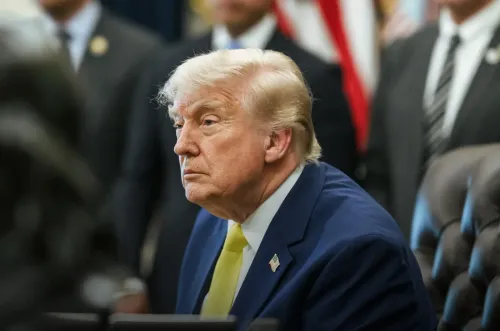
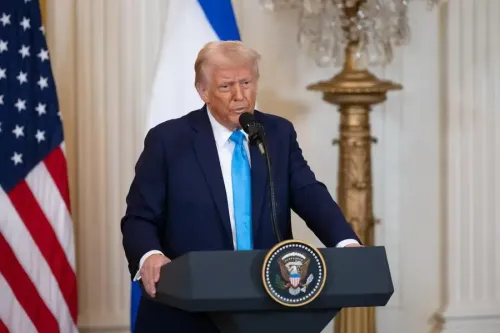
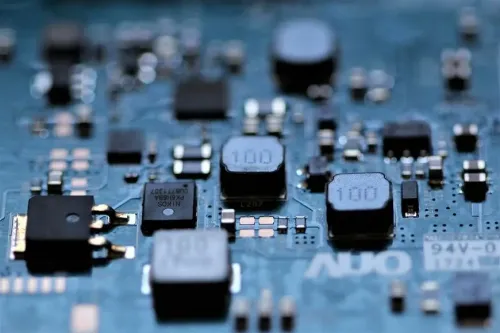
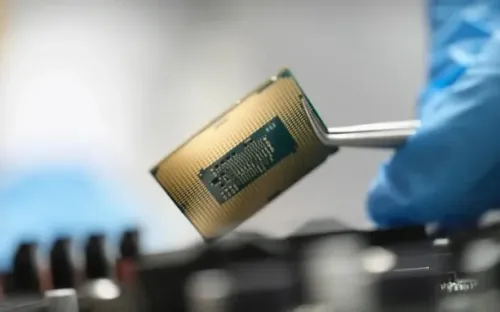
US President Donald Trump on Thursday, 7 August signed an executive order imposing a 15 per cent tariff and minimum import prices on polysilicon — a critical raw material used in solar panels and semiconductors — in a sweeping move to revive domestic production of what the White House describes as a strategically vital input.
What the Order Mandates
Under the proclamation, minimum import prices will be set at $21 per kilogram for raw polysilicon and $100 per kilogram for polysilicon ingots and wafers. The new trade measures are scheduled to take effect on 4 December. Trump also directed the US Commerce Department to establish a programme encouraging domestic investment in raw polysilicon production and related downstream industries.
The Strategic Rationale
A White House fact sheet framed the measures as necessary to create 'a level playing field for American producers of these strategic goods,' promote the 'onshoring of these industries,' and protect 'US national security and its defense and defense-adjacent industrial base.' The document noted that the US share of global polysilicon production capacity has fallen sharply — from 50 per cent in 2005 to less than 2 per cent in 2024 — a decline officials argue has created dangerous supply-chain dependencies.
Birthright Citizenship Orders Also Signed
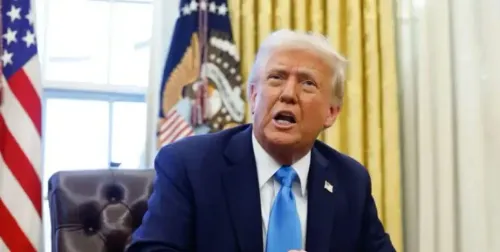
In the same Oval Office session, Trump signed two additional executive orders targeting birthright citizenship, representing a renewed push following the Supreme Court's ruling against an earlier administration order on the issue. 'We had a very unfortunate decision in the Supreme Court concerning birthright, it was close,' Trump said. 'So we're making adjustments.'
One order targets so-called 'birth tourism,' defined as entry by foreign nationals on non-immigrant visas for the purpose of giving birth on US soil. The second expands the categories of people ineligible for birthright citizenship — including children of foreign government employees, children of members of a designated Foreign Terrorist Organisation, and children of individuals who used fraudulent means to obtain citizenship.
The moves test the boundaries of the 14th Amendment of the US Constitution, ratified in 1868, which states that 'all persons born or naturalised in the United States, and subject to the jurisdiction thereof, are citizens of the United States and of the state wherein they reside.' Legal challenges are widely expected.
Implications for Global Solar and Semiconductor Sectors
The polysilicon tariff carries significant implications for global clean energy supply chains. China dominates polysilicon production and is the primary supplier to solar panel manufacturers worldwide, including those that export to the United States. The December effective date gives industry participants a window to adjust sourcing, but analysts warn the pricing floors could raise costs for US solar installers and downstream manufacturers in the near term. This comes amid a broader pattern of Trump-era trade actions targeting materials deemed critical to national security.
Point of View
But they cannot conjure refinery capacity overnight; the December effective date is tight for domestic producers to scale. Meanwhile, the birthright citizenship orders are almost certain to face fresh constitutional litigation, and the Supreme Court has already ruled against the administration once on this front. The pattern — executive action followed by judicial reversal — risks becoming a cycle that generates political signal without durable policy change.
NationPress
7 Aug 2026
Frequently Asked Questions
What does Trump's polysilicon executive order do?
It imposes a 15 per cent tariff and sets minimum import prices on polysilicon — $21 per kilogram for raw material and $100 per kilogram for ingots and wafers. The measures take effect on 4 December and are aimed at reviving US domestic production of this key input for solar panels and semiconductors.
Why is polysilicon considered strategically important?
Polysilicon is a foundational material for both solar panels and semiconductors, making it central to clean energy and advanced technology supply chains. The White House noted the US share of global polysilicon production fell from 50 per cent in 2005 to less than 2 per cent in 2024, creating what officials describe as a national security vulnerability.
When do the polysilicon tariffs take effect?
The new tariffs and minimum import prices are scheduled to take effect on 4 December, giving industry participants roughly four months to adjust sourcing and supply arrangements.
What are the two birthright citizenship orders Trump signed?
One order targets 'birth tourism' — the entry of foreign nationals on non-immigrant visas specifically to give birth on US soil. The second expands categories of people ineligible for birthright citizenship, including children of foreign government employees, children of members of designated Foreign Terrorist Organisations, and children of those who obtained citizenship fraudulently.
Can Trump's birthright citizenship orders override the 14th Amendment?
Legal experts widely expect the orders to face constitutional challenges. The 14th Amendment, ratified in 1868, grants citizenship to all persons born in the United States. The Supreme Court has already ruled against an earlier Trump administration order on this issue, and the new orders are framed as adjustments to that ruling.