Trump signs beef executive orders, eases imports from Argentina and Brazil
Synopsis
With the US cattle herd at a 75-year low and four companies controlling 85% of beef purchases, Trump signed two executive orders targeting market concentration, opening limited imports from Argentina and Brazil, and promising small ranchers a path around the processing giants. It is one of the most sweeping federal interventions in the beef sector in decades.
Key Takeaways
President Trump signed two executive orders on 5 September targeting the US beef industry.
The four largest beef packers now control 85% of steer and heifer purchases, up from 36% four decades ago.
The US national cattle herd is at a 75-year low ; consumer beef demand has risen nearly 10% over the past decade.
Limited ground beef imports from Argentina and Brazil are being allowed under a tariff suspension while domestic herds rebuild.
A guaranteed-loan programme for small and regional processors and expanded interstate market access are part of the package.
Federal agencies must review ranching regulations within 90 days ; grey and Mexican wolf protections are also under review.
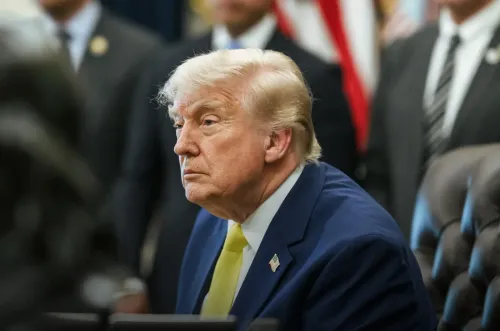
President Donald Trump on 5 September signed two executive orders aimed at restructuring America's beef industry, cracking down on dominant meat-processing companies, and temporarily easing beef imports from Argentina and Brazil to stabilise consumer prices. The moves come as the national cattle herd sits at a 75-year low even as consumer demand for beef has grown nearly 10 per cent over the past decade.
Key Developments
The first order directs the agriculture secretary to prioritise investigations into possible violations of the Packers and Stockyards Act, deploy additional enforcement staff, and coordinate more closely with the Justice Department on potential anti-competitive conduct. The White House noted that the four largest beef packers now control 85 per cent of purchases of steers and heifers — up sharply from 36 per cent more than four decades ago.
A separate order requires all relevant federal agencies to review regulations affecting ranchers within 90 days. The agriculture secretary must also examine whether existing law permits mandatory country-of-origin labelling for beef and assess its economic impact.
What Trump Said on Imports
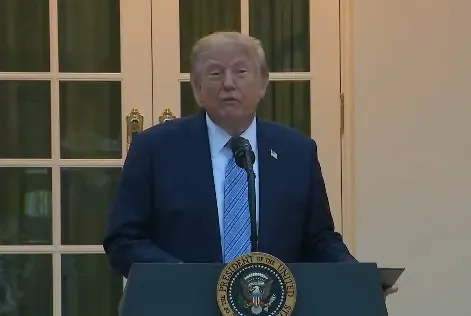
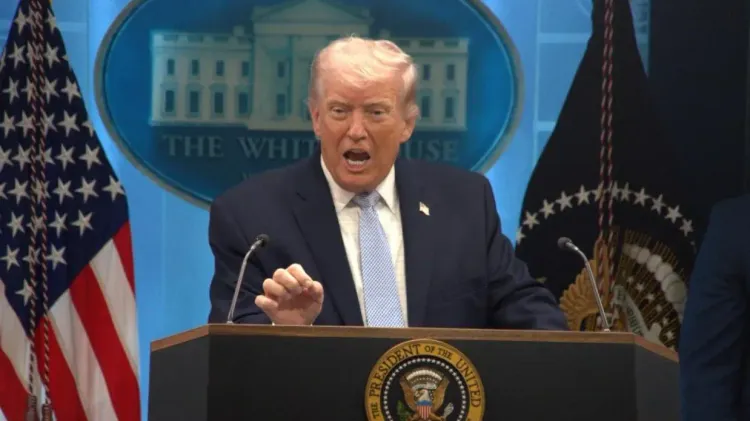
Asked by reporters where beef covered by a tariff suspension would originate, Trump said: 'It's coming from Argentina, it's coming from Brazil, it's coming from a couple of other places. We have our inspectors down, it's very clean, it's very good.'
Trump stressed the imports were being kept to a limited scale while domestic producers work to rebuild depleted herds. 'We're doing it in a very limited fashion because our ranchers can handle it,' he said.
Expanding Small-Producer Access
The administration also announced a guaranteed-loan programme for small and regional beef processors, alongside streamlined inspection programmes, technical assistance, and expanded interstate market access for eligible meat products. Trump argued that allowing ranchers to process meat closer to their own operations would reduce their dependence on large processing companies.
'Our ranchers are going to be able to do their own food processing, and they'll have inspections, they'll have inspectors, they'll have everything just like these big plants,' Trump told reporters. 'I think it's going to make a big difference when you can do your own processing, and you don't have to drive hundreds of miles away,' he added.
Wolf Protections Under Review
The orders also direct the interior secretary to determine whether grey wolves and Mexican wolves meet the criteria for removal or reduced protection under the Endangered Species Act. The administration could additionally encourage states to revise their own standards governing the lethal removal of wolves — a provision that has drawn attention from conservation groups.
What Comes Next
Federal agencies face a 90-day deadline to complete their regulatory reviews, while the agriculture secretary's country-of-origin labelling assessment will shape whether mandatory labelling returns as policy. Industry observers note that enforcement against the dominant packers — if pursued aggressively — could be the most consequential structural shift in the US beef sector in decades.
Point of View
It is an oligopoly, and the administration deserves credit for naming it plainly. But the harder question is enforcement: the Packers and Stockyards Act has existed since 1921 and been selectively enforced for decades. Directing investigations is not the same as completing them. Meanwhile, the limited import opening from Argentina and Brazil, framed as temporary relief, carries its own political risk with domestic ranching groups who have long opposed foreign beef on price and traceability grounds. Whether the wolf-delisting provision survives legal challenge will be a separate, prolonged fight.
NationPress
20 Oct 2026
Frequently Asked Questions
What did Trump's beef executive orders do?
President Trump signed two executive orders on 5 September directing tougher enforcement against dominant meat-processing companies, opening limited beef imports from Argentina and Brazil, creating a loan programme for small processors, and ordering a review of country-of-origin labelling. The orders also put grey wolf and Mexican wolf protections under review.
Why is the US importing beef from Argentina and Brazil?
The US national cattle herd is at a 75-year low, while consumer demand has grown nearly 10% over the past decade, creating a supply gap. Trump authorised limited imports under a tariff suspension as a short-term measure while domestic ranchers rebuild their herds.
How concentrated is the US beef packing industry?
According to the White House, the four largest beef packers now account for 85% of purchases of steers and heifers, compared with 36% more than four decades ago. The executive order directs the agriculture secretary to prioritise Packers and Stockyards Act investigations into possible anti-competitive conduct.
What support is being offered to small beef processors?
The orders include a guaranteed-loan programme for small and regional beef processors, streamlined inspection programmes, technical assistance, and expanded interstate market access for eligible meat products. Trump argued this would let ranchers process meat closer to their operations, reducing dependence on large companies.
What is the timeline for the regulatory reviews ordered by Trump?
Federal agencies must complete their reviews of regulations affecting ranchers within 90 days. The agriculture secretary must also assess whether mandatory country-of-origin labelling for beef is permissible under existing law and evaluate its economic impact.