Trump threatens higher charges on S. Korea over Alaska LNG project
Synopsis
Trump publicly claimed South Korea is committed to a $50 billion Alaska LNG project — then threatened to 'double up' charges when reporters revealed Seoul had not signed. The episode lays bare the risks of Washington pre-announcing deals that allies haven't confirmed, and puts the US-South Korea trade relationship under fresh strain.
Key Takeaways
Donald Trump threatened to impose higher charges on South Korea if it does not commit to the Alaska LNG project .
Seoul has said it has not yet finalised a decision on whether to participate in the project.
US Commerce Secretary Howard Lutnick has stated South Korea's expected investment in the project exceeds $50 billion .
The Alaska LNG project involves a 1,298-kilometre pipeline from the North Slope to southern Alaska for LNG shipments to Asia.
The project is part of a broader US-South Korea bilateral trade deal package that also includes a Texas gas plant and eight nuclear power plants .
Russell Vought separately highlighted the need for US shipbuilding cooperation with South Korea and Japan .
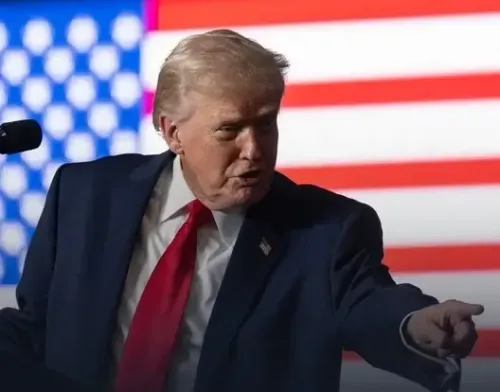
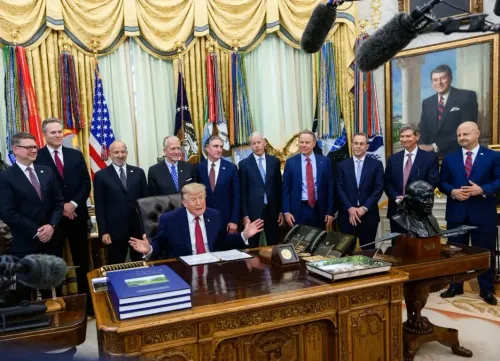
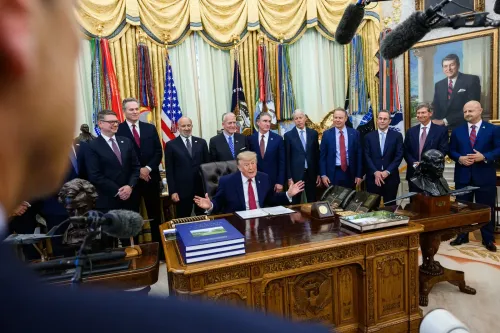
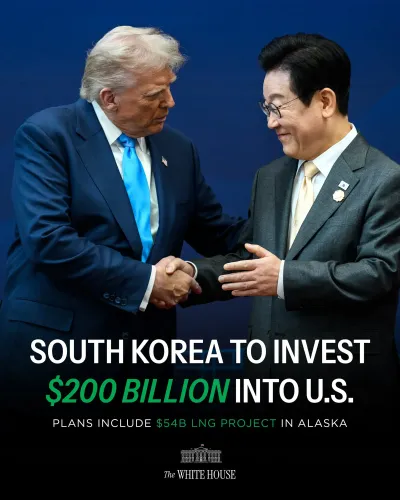
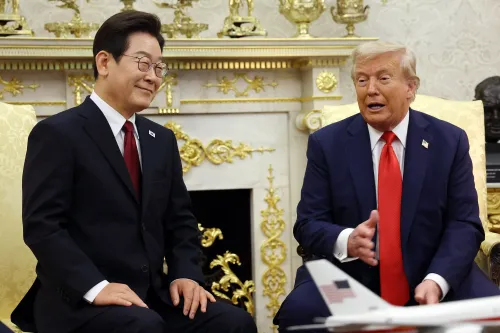
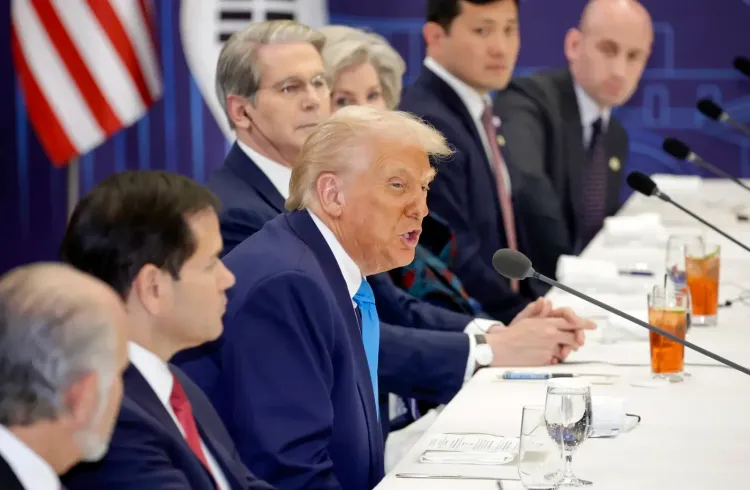
US President Donald Trump has threatened to impose additional financial charges on South Korea if Seoul refuses to commit to investing in a liquefied natural gas (LNG) project in Alaska, even as Trump has publicly claimed the country is already on board. The remarks, made during a press availability at the White House on 3 October 2025, escalate pressure on Seoul at a delicate moment in bilateral trade negotiations.
What Trump Said
Trump made the threat after a reporter raised questions about whether South Korea had actually signed on to the Alaska LNG deal. 'I didn't jump the gun. I mean, they were there and they were represented,' he told reporters. 'And let’s see, if they don’t want to do it, that’s okay with me. I’ll just charge them more.'
When pressed further, Trump asked, 'They said they didn’t sign it?' before adding: 'Tell them if they don’t sign shortly, I’m going to double it up.' It remains unclear precisely what additional charges Trump is referring to, whether tariffs, trade penalties, or other bilateral economic measures.
South Korea's Position
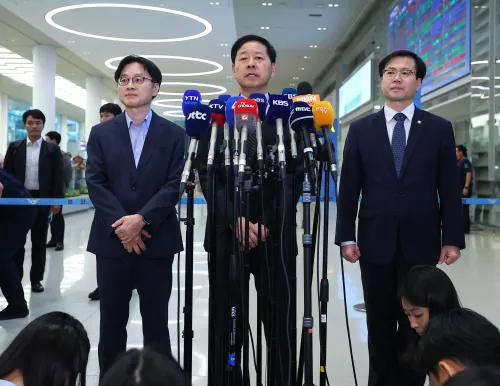
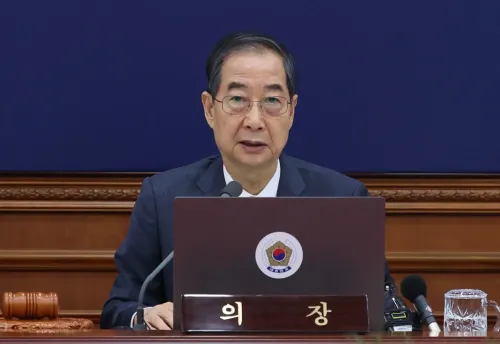
Seoul has maintained that it has not yet finalised a decision on whether to participate in the Alaska LNG project. The South Korean government's cautious stance stands in contrast to Trump's confident public framing of the deal. This divergence has created an unusual public dispute between two close security allies.
The Alaska project was announced as part of a broader package of South Korea's US investment commitments under last year's bilateral trade deal, which Trump unveiled just two days before making these remarks. That package also includes the construction of a gas-fired power plant in Texas and eight large-scale nuclear power plants.
Scale of the Alaska LNG Project
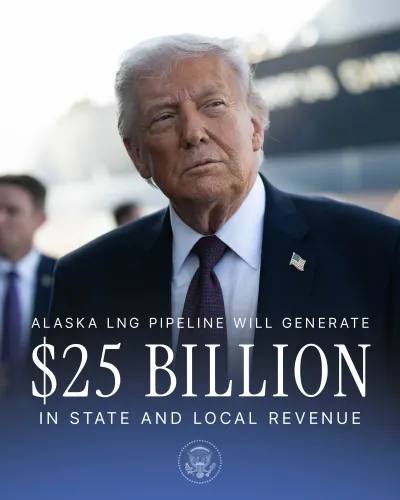
The Alaska LNG project is a large-scale infrastructure undertaking involving the construction of a 1,298-kilometre-long pipeline from the North Slope — home to massive proven natural gas reserves — to southern Alaska. The natural gas would be cooled into liquid form at the terminal for shipment to Asian markets. US Commerce Secretary Howard Lutnick has stated that South Korea's investment in the project is expected to exceed $50 billion.
US Shipbuilding Push and Regional Context
Separately, a senior White House official underscored Washington's interest in deeper shipbuilding cooperation with both South Korea and Japan, as the Trump administration pursues a broader effort to rebuild the United States' shipbuilding capacity and its Navy. Russell Vought, director of the White House Office of Management and Budget, made the remarks during a forum in Washington, also noting the importance of rewarding companies that invest on US soil.
This comes amid a wider pattern of Trump using trade and investment leverage to extract bilateral commitments, a tactic deployed across multiple allied nations since the start of his current term. The Alaska LNG episode illustrates the tensions inherent in that approach — publicly claiming a deal before the counterpart has confirmed it, then threatening escalation when the partner equivocates.
What Happens Next
With Trump signalling he will 'double up' penalties if Seoul does not sign 'shortly,' South Korean trade officials face mounting pressure to clarify their position. How Seoul responds in the coming days will test the durability of the bilateral trade framework and the broader US-South Korea alliance at a moment of heightened geopolitical sensitivity in the Indo-Pacific.
Point of View
Then using the threat of tariffs or charges to coerce sign-on. It is a high-risk tactic with an ally: South Korea is a critical US security partner in a region where Washington needs reliable coalitions. Publicly embarrassing Seoul over an unsigned deal could complicate cooperation on far more consequential matters, from North Korea to semiconductor supply chains. The $50 billion figure cited by Lutnick also deserves scrutiny — large investment pledges tied to trade negotiations frequently face domestic political and commercial hurdles that dilute final commitments. What Trump calls 'charging more' remains legally and contractually undefined, which is itself a coercive instrument: deliberate ambiguity designed to maximise leverage.
NationPress
3 Oct 2026
Frequently Asked Questions
Why is Trump threatening to charge South Korea more?
Trump threatened additional financial charges on South Korea because Seoul has not confirmed its participation in the Alaska LNG project, which Trump had publicly claimed the country would join. He told reporters he would 'double it up' if South Korea did not sign shortly.
What is the Alaska LNG project?
The Alaska LNG project involves constructing a 1,298-kilometre pipeline from the North Slope in Alaska — which holds large proven natural gas reserves — to southern Alaska, where gas would be liquefied and shipped to Asian markets. US Commerce Secretary Howard Lutnick has said South Korea's investment in it is expected to exceed $50 billion.
Has South Korea agreed to invest in the Alaska LNG project?
No. Seoul has said it has not yet finalised a decision on whether to participate, despite Trump publicly claiming South Korea is on board. The discrepancy emerged during a White House press availability on 3 October 2025.
What else is included in the US-South Korea trade deal package?
Beyond the Alaska LNG project, the package Trump announced includes the construction of a gas-fired power plant in Texas and eight large-scale nuclear power plants, all framed as South Korean investment commitments under a bilateral trade agreement.
What did Russell Vought say about shipbuilding?
Russell Vought, director of the White House Office of Management and Budget, highlighted the need for shipbuilding cooperation with South Korea and Japan as part of the Trump administration's push to rebuild US shipbuilding capacity and its Navy. He also stressed the importance of rewarding foreign companies that invest in the United States.