Taiwan to buy 30% of Alaska LNG output, invest $4.4 billion: Trump
Synopsis
Trump's Wasilla rally delivered more than campaign rhetoric — it unveiled a 20-year, 30% LNG offtake deal with Taiwan worth $4.4 billion, stacked on top of a $50.1 billion South Korean pledge. With all federal permits reportedly cleared, the 800-mile Alaska pipeline has suddenly acquired the commercial anchor it has lacked for years, turning a long-stalled project into a live geopolitical and energy story.
Key Takeaways
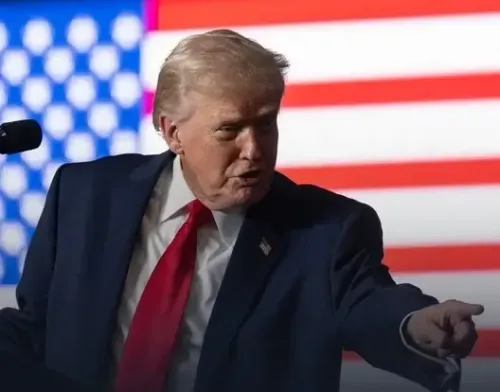
Taiwan has agreed to buy 30 per cent of Alaska LNG pipeline output for 20 years and invest $4.4 billion , President Trump announced on 14 October in Wasilla, Alaska .
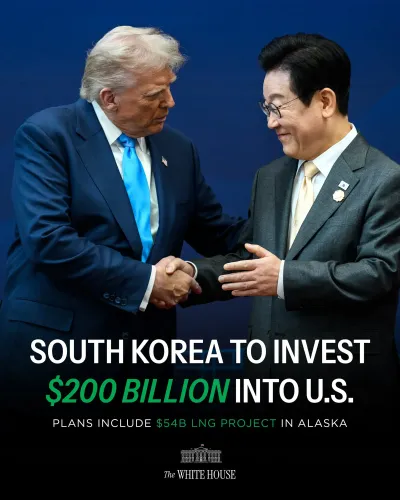
South Korea has separately committed $50.1 billion towards construction of the pipeline, bringing combined Asian investment to more than $54 billion .
The proposed pipeline stretches 800 miles from Alaska's North Slope to the state's southern coast for LNG export to Asian markets.
Trump said all federal permits for the project have been granted, removing a longstanding obstacle to construction.
The project is projected to create more than 13,000 jobs and save a typical Alaskan household more than $2,000 annually on energy bills, according to Trump — claims pending independent verification.
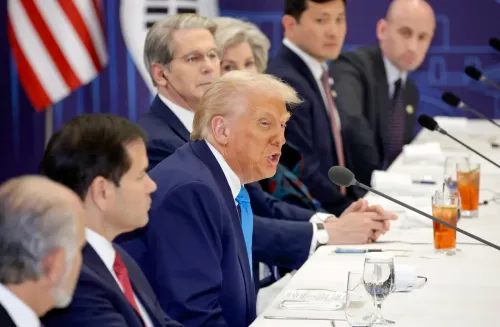
Commerce Secretary Howard Lutnick confirmed week-long negotiations with the Taiwanese government preceded the announcement.
US President Donald Trump announced on 14 October that Taiwan has agreed to purchase 30 per cent of the natural gas produced by the proposed Alaska LNG pipeline for the next 20 years and invest an additional $4.4 billion in the project. The announcement, made at an election rally in Wasilla, Alaska, marks a significant commercial milestone for the long-delayed 800-mile pipeline that the Trump administration is promoting as one of the largest energy infrastructure projects in the United States.
What Taiwan and South Korea Have Committed
Trump told supporters at the rally: "Taiwan has just agreed to buy 30 per cent of the gas coming off the pipeline for the next 20 years." He added that Taiwan would also "invest $4.4 billion into the project, on top of $50 billion already committed by South Korea to Alaska."
US Commerce Secretary Howard Lutnick, who accompanied Trump to the event, confirmed the details. Lutnick said his team had spent the preceding week in negotiations with Taiwanese officials. "All week we were working with the Taiwanese government, and they agreed to buy 30 per cent of everything produced on that line," Lutnick said. He separately confirmed that South Korea had pledged $50.1 billion towards pipeline construction.
Federal Permits Cleared, Jobs and Savings Projected
Trump also said his administration had completed the federal permitting process for the pipeline, calling it a breakthrough after years of regulatory delays. "Every single permit that you need has been granted," he said. The President credited Republican Senator Dan Sullivan of Alaska with helping advance the project.
According to Trump, the pipeline would create more than 13,000 jobs and save a typical Alaskan household more than $2,000 annually on energy bills — claims that have not yet been independently verified.
The Alaska LNG Project: Strategic Significance
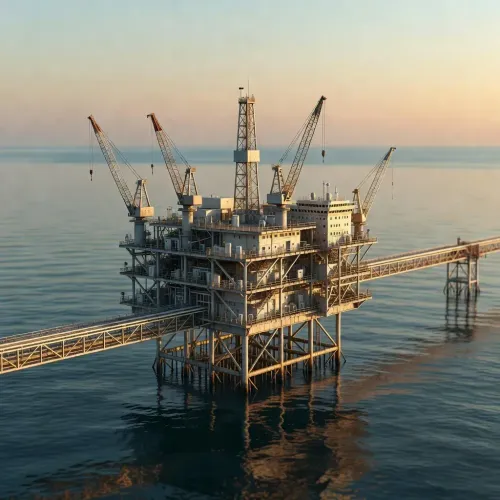
The Alaska LNG project is designed to transport natural gas from Alaska's North Slope to the state's southern coast, where it would be liquefied and exported to international markets. Its Pacific-facing location positions it as a direct supply route to energy-hungry Asian economies, particularly Taiwan, South Korea, and Japan, where imported liquefied natural gas (LNG) is central to electricity generation and industrial consumption.
This comes amid a broader US push to expand energy exports as a geopolitical and economic lever, a strategy that gained renewed momentum under the Trump administration's 'energy dominance' agenda. The involvement of both Taiwan and South Korea — two of Washington's key Asian allies — underscores the project's dual character as both an infrastructure investment and a diplomatic signal.
Trump's Broader Policy Framing
Trump linked the Alaska deal to his wider effort to attract foreign investment and reshore manufacturing. Notably, he also criticised Taiwan at the same rally over the historical migration of semiconductor production away from the United States, arguing that past American trade policy had failed to protect domestic chip manufacturing. He said his tariff policies were now incentivising companies to move production back to the US — a pointed contrast to his simultaneous praise of Taiwan's LNG investment.
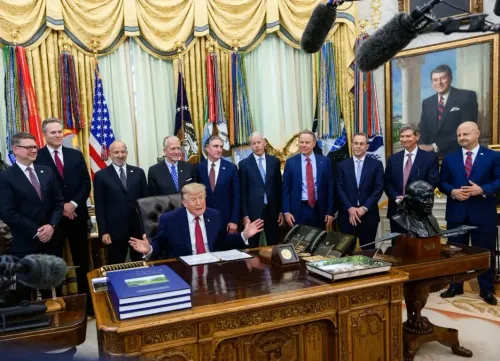
Commerce Secretary Lutnick credited Trump with personally pressing officials to strengthen the project's commercial terms after its initial announcement at the White House. The administration has framed the combined Asian commitments — worth more than $54 billion in investment and a guaranteed 20-year offtake — as the financial anchor the project needed to proceed to construction.
Whether binding contracts follow the rally-stage announcements, and on what timeline construction will begin, remains to be confirmed by independent reporting.
Point of View
Repeatedly stalling on financing and permitting. Rally-stage announcements from US presidents, however credible the underlying negotiations, carry a gap between political declaration and binding commercial contract — and that gap matters enormously for a project of this scale. The simultaneous praise of Taiwan's investment and criticism of Taiwan's semiconductor industry at the same rally reflects a transactional contradiction that is characteristic of the current administration's Asia policy. The deeper question is whether the $54-billion-plus in combined Asian commitments will survive the transition from political momentum to engineering and legal reality.
NationPress
14 Oct 2026
Frequently Asked Questions
What did Taiwan agree to in the Alaska LNG deal?
Taiwan agreed to purchase 30 per cent of the natural gas produced by the Alaska LNG pipeline for the next 20 years and invest an additional $4.4 billion in the project. The commitment was announced by President Trump at a rally in Wasilla, Alaska, on 14 October, and confirmed by Commerce Secretary Howard Lutnick.
What is the Alaska LNG pipeline project?
The Alaska LNG project is an proposed 800-mile pipeline designed to carry natural gas from Alaska's North Slope to the state's southern coast for liquefaction and export. It targets Asian markets — particularly Taiwan, South Korea, and Japan — and has been a long-delayed initiative that the Trump administration is now actively promoting.
How much has South Korea committed to the Alaska pipeline?
South Korea has committed $50.1 billion towards construction of the Alaska LNG pipeline, according to statements by President Trump and Commerce Secretary Howard Lutnick at the Wasilla rally. Taiwan's separate $4.4 billion investment brings the combined Asian financial commitment to more than $54 billion.
Has the Alaska LNG pipeline received all necessary permits?
Trump stated at the rally that his administration had completed the federal permitting process. 'Every single permit that you need has been granted,' he said. Independent verification of the full permitting status had not been confirmed at the time of reporting.
Why does the Alaska LNG deal matter for Asia?
For Taiwan and South Korea — both heavily reliant on imported LNG for electricity and industrial energy — a long-term US supply agreement reduces dependence on Middle Eastern and Russian gas. The pipeline's Pacific-coast export terminal also offers a geographically shorter supply route to Northeast Asian buyers, making it strategically as well as commercially significant.