Trump links Saudi civil nuclear deal to Abraham Accords, Israel normalisation
Synopsis
Trump has turned a civil nuclear energy deal with Saudi Arabia into a geopolitical ultimatum: join the Abraham Accords or the deal is off. With Riyadh's Palestinian statehood condition unresolved and no public Saudi acceptance, this is less a negotiation update and more a high-stakes public pressure campaign — one that could reshape Middle East diplomacy or stall entirely.
Key Takeaways
President Trump will approve a civil nuclear deal with Saudi Arabia only if Riyadh joins the Abraham Accords and normalises ties with Israel .
The deal bars Saudi Arabia from enriching nuclear material and covers only non-military uses; negotiations are still ongoing.
White House Press Secretary Karoline Leavitt confirmed the condition on 23 July , reading from a Trump social media post.
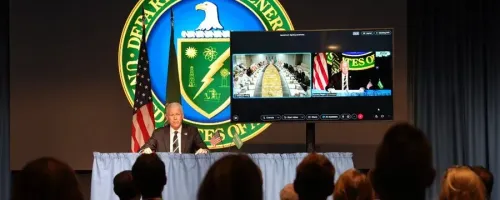
The civil nuclear pact had been announced a day earlier by Energy Secretary Chris Wright without mention of the Abraham Accords condition.
Saudi Arabia has not publicly accepted the condition; Riyadh has historically linked Israel normalisation to progress on a Palestinian state .
The proposal originated with Trump, not with Israeli PM Benjamin Netanyahu , according to Leavitt.
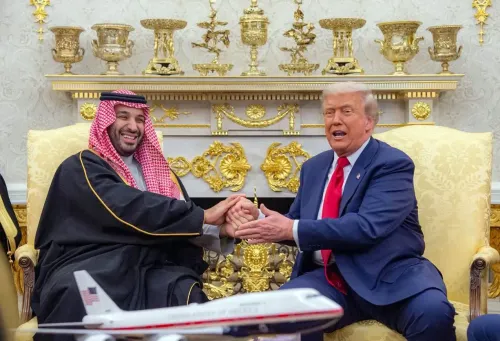
US President Donald Trump will approve a civil nuclear energy agreement with Saudi Arabia only if Riyadh joins the Abraham Accords and normalises diplomatic relations with Israel, the White House confirmed on Thursday, 23 July. The condition places a significant new political hurdle on an energy pact that had been announced just a day earlier by Energy Secretary Chris Wright.
The Core Condition
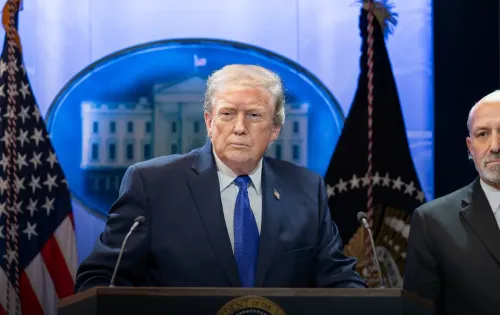
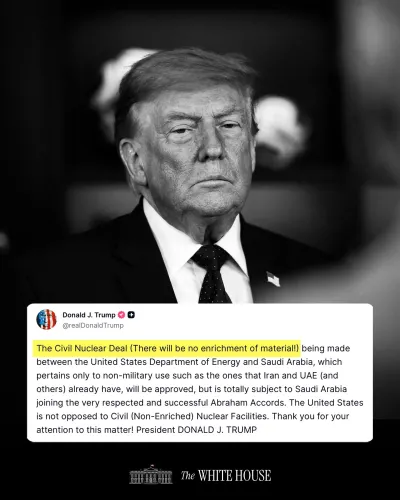
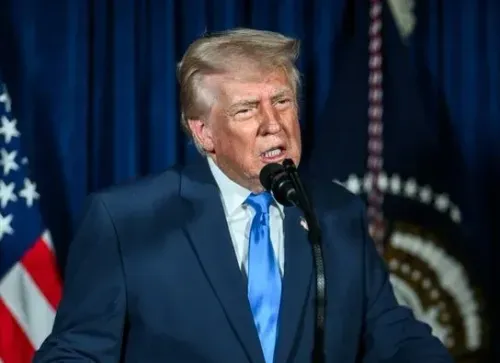
White House Press Secretary Karoline Leavitt told reporters that Trump had made the Abraham Accords membership an explicit prerequisite for the deal's approval. Reading from a social media post by Trump, Leavitt stated: 'The civil nuclear deal, there will be no enrichment of material, an important point being made between the Department of Energy and Saudi Arabia, which pertains only to non-military use, will be approved, but is totally subject to Saudi Arabia joining the very respected and successful Abraham Accords.'
Trump also posted: 'The United States is not opposed to civil nuclear facilities,' according to Leavitt. She added that the president had raised this condition on multiple prior occasions, describing him as 'the final dealmaker.'
What the Agreement Covers
The proposed civil nuclear arrangement would bar Saudi Arabia from enriching nuclear material and would be restricted to non-military applications. Leavitt confirmed that negotiations remain ongoing and declined to specify whether Saudi nuclear facilities would be subject to international inspections, citing the deal's unfinished status.
She did, however, confirm that the agreement would grant US companies priority access to Saudi Arabia's nuclear energy programme. 'The deal that has been discussed thus far and will continue to be discussed absolutely puts America first,' Leavitt said.
Saudi Arabia's Long-Standing Position
Riyadh has historically conditioned any normalisation with Israel on meaningful progress toward the establishment of a Palestinian state — a position that has not publicly shifted. When asked why the administration believed Saudi Arabia might alter its stance, Leavitt declined to discuss the specifics of Trump's diplomatic exchanges with Saudi leadership.
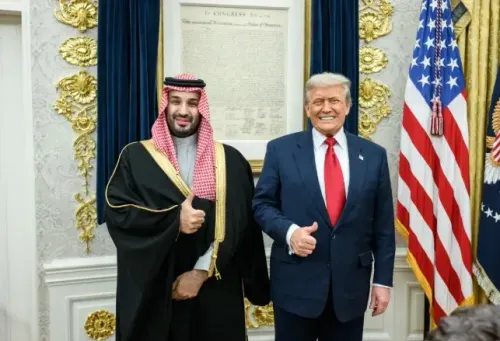
The White House gave no indication that Saudi Arabia had accepted the new condition. Leavitt noted that Trump had discussed the matter with Saudi leaders in previous conversations, but said she did not believe he had spoken directly with Saudi Crown Prince Mohammed bin Salman following Thursday's statement.
Abraham Accords: The Broader Push
The Abraham Accords, brokered during Trump's first term, normalised relations between Israel and several Arab states including the United Arab Emirates, Bahrain, Sudan, and Morocco. Saudi Arabia — the Arab world's most influential power — has remained outside the framework.
Leavitt said Trump wants more Gulf and Arab nations to join the accords as part of a wider regional diplomacy effort. 'This is a condition that the president has spoken about many times with our Gulf and Arab allies,' she said. 'He wants to see these countries sign the Abraham Accord.'
Netanyahu's Role and What Comes Next
Leavitt clarified that Israeli Prime Minister Benjamin Netanyahu had not requested that Abraham Accords membership be made a condition of the nuclear deal. 'Not to my knowledge, no,' she said, attributing the proposal entirely to Trump.
The administration said it would continue engaging in diplomatic conversations with Riyadh. With Saudi Arabia's position on Palestinian statehood unchanged and no public acceptance of the new condition, the path to finalising the agreement remains uncertain.
Point of View
Suggesting either a deliberate sequencing or an internal coordination gap. Saudi Arabia's position on Palestinian statehood has not moved publicly, and Riyadh has historically resisted being seen as abandoning the Palestinian cause under US pressure. The real question is whether Trump's ultimatum accelerates a back-channel shift in Saudi posture or simply freezes the nuclear deal indefinitely — with American industry access to Saudi's nuclear programme hanging in the balance.
NationPress
22 Oct 2026
Frequently Asked Questions
What is the US civil nuclear deal with Saudi Arabia?
It is a proposed agreement under which the United States would support Saudi Arabia's civil nuclear energy programme, granting US companies priority access. The deal bars Saudi Arabia from enriching nuclear material and is restricted to non-military use; negotiations are ongoing as of 23 July.
Why has Trump made the Abraham Accords a condition for the Saudi nuclear deal?
Trump has long sought to expand the Abraham Accords — the normalisation agreements his administration brokered during his first term — to include Saudi Arabia, the Arab world's most influential state. He has framed Abraham Accords membership as a prerequisite for approving the nuclear agreement, calling it a condition he has 'spoken about many times.'
Has Saudi Arabia agreed to join the Abraham Accords?
No. The White House gave no indication that Saudi Arabia has accepted the condition. Riyadh has historically linked any normalisation with Israel to tangible progress toward the establishment of a Palestinian state, a position it has not publicly reversed.
Did Israeli PM Netanyahu request this condition?
No, according to White House Press Secretary Karoline Leavitt. She said the proposal came entirely from President Trump, whose administration originally brokered the Abraham Accords during his first term.
What happens to the nuclear deal if Saudi Arabia does not join the Abraham Accords?
Leavitt stated plainly: 'If they don't join the Abraham Accords, the deal is off.' The administration said it would continue diplomatic engagement with Riyadh, but no timeline or fallback arrangement was indicated.