Trump unveils $2 billion critical minerals push to cut foreign dependence
Synopsis
Trump's $2 billion-plus mining push is the most concentrated federal bet on domestic mineral production in decades — anchored by a $1.4 billion lithium-ion battery play and the world's first primary scandium mine. With China dominating global mineral processing, the White House is treating critical minerals as a national security imperative, not just an industrial policy.
Key Takeaways
President Trump announced more than $2 billion in critical-mining projects on 8 August at a State Department roundtable.
The largest commitment is a $1.4 billion investment in Sila Nanotechnologies for silicon-carbon battery anode and lithium-ion cell manufacturing. $400 million will fund Sunrise Energy Metals to build what the White House calls the world's first primary scandium mine. $100 million allocated to 14 mining schools , with an additional $81 million to Colorado School of Mines, South Dakota School of Mines, and Johns Hopkins University.
The White House called it the largest meeting between a president and mining industry leaders in more than 120 years .
Trump said the US is opening mines at the fastest pace since the 1950s .
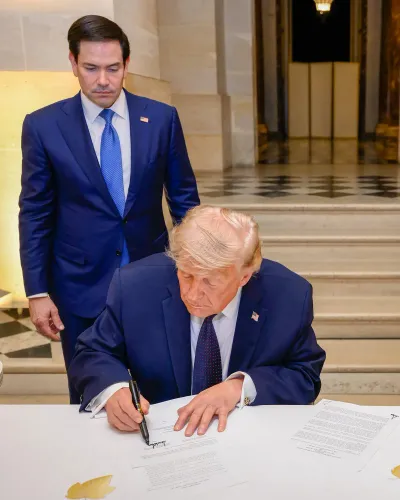
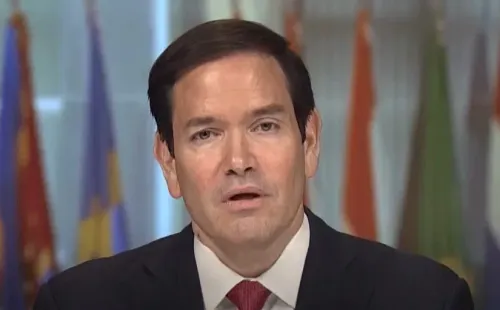
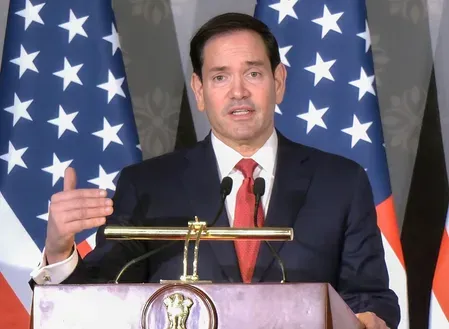
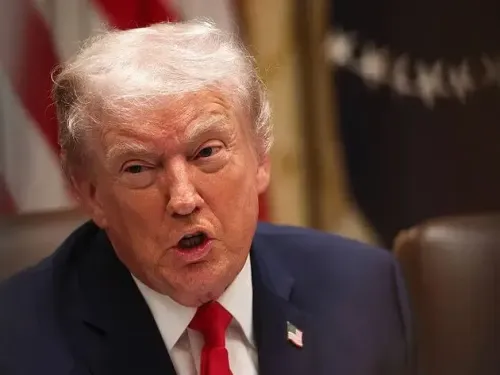
President Donald Trump on 8 August announced more than $2 billion in critical-mining and related projects, as the United States moves to rebuild domestic mineral production, fortify defence supply chains, and reduce dependence on foreign sources. The announcement came at a mining industry roundtable hosted by Secretary of State Marco Rubio at the State Department in Washington — described by the White House as the largest gathering between a sitting president and mining industry leaders in more than 120 years.
Key Investments Announced
The single largest commitment is a $1.4 billion investment by the Department of War in California-based Sila Nanotechnologies, aimed at expanding silicon-carbon battery anode production and establishing a lithium-ion battery cell manufacturing facility. The materials produced will serve satellites, unmanned aerial systems, and munitions.
A further $400 million will go to Sunrise Energy Metals to develop a scandium supply chain, including what the White House described as the world's first primary scandium mine. Scandium is a critical input for high-heat aluminium alloys used in fighter jets and spacecraft.
Minnesota-based Niron Magnetics will receive $150 million to develop rare earth-free permanent magnets, while more than $85 million will be directed to Standard Bauxite to secure refractory-grade bauxite used in high-temperature-resistant materials.
The Export-Import Bank will invest $8 million in 5E Advanced Materials to develop a California boron deposit, and $25 million each to Westwater Resources in Alabama for graphite and Global Advanced Materials in Pennsylvania for tantalum and niobium. The US International Development Finance Corporation will also match a $4.8 million investment in Harena Rare Earths to develop a mine in Madagascar, targeting magnet metals and rare earths for American manufacturing.
What Trump Said
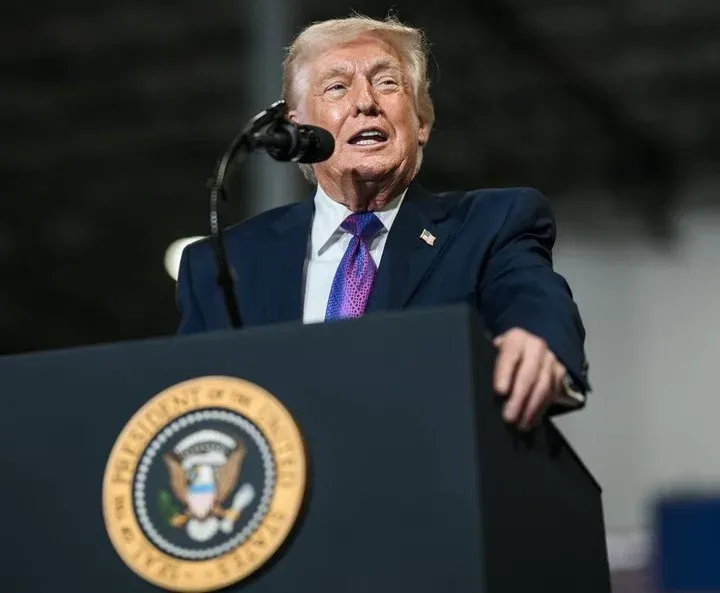
'Critical minerals are the raw materials of American strength that power everything from advanced weaponry to automobiles, and we want these essential products to be mined, refined, and made right here in the USA with the American skill and American hands,' Trump said at the roundtable. He added that the US was opening mines at the fastest pace since the 1950s.
Workforce and Education Push
Alongside the industrial investments, Trump announced $100 million for 14 mining schools, with the stated goal of doubling the number of graduates earning credentials in mining, minerals, and associated supply chains. A further $81 million in grants will go to the Colorado School of Mines, the South Dakota School of Mines, and Johns Hopkins University for workforce programmes and technology innovation hubs.
'We're thrilled to announce that we're delivering 100 million dollars to train the next generation of American miners,' Trump said.
Strategic Context and What Comes Next
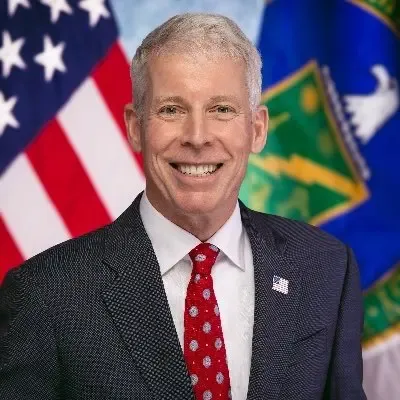
Interior Secretary Doug Burgum and Commerce Secretary Howard Lutnick joined Rubio and mining executives at the roundtable. The White House framed the investments as a direct response to supply-chain vulnerabilities exposed by geopolitical disruptions, with critical minerals increasingly central to US defence and next-generation technology strategy. This comes amid a broader global scramble for mineral security, with China dominating processing capacity for many of the same materials Washington is now seeking to produce domestically. Whether the pace of mine openings and the workforce pipeline can match the scale of stated ambition will be the defining test of this initiative.
Point of View
But the harder question is execution. Federal investment in mining infrastructure has a long history of delays tied to permitting, environmental review, and workforce shortfalls — the very bottlenecks this package claims to address. The $1.4 billion Sila Nanotechnologies bet is notable because it ties defence procurement directly to battery cell manufacturing, blurring the line between industrial policy and defence contracting. The Madagascar rare earths play also signals that 'domestic production' in practice means a broader allied supply chain, not purely onshore mining. Whether Congress sustains these appropriations through a full budget cycle will determine if this is a structural shift or a headline round of announcements.
NationPress
8 Aug 2026
Frequently Asked Questions
What did President Trump announce on 8 August regarding critical minerals?
Trump announced more than $2 billion in critical-mining and related investments at a State Department roundtable, targeting domestic mineral production, defence supply-chain security, and next-generation technology inputs. The package includes individual project investments and over $180 million for mining schools and workforce programmes.
What is the largest single investment in the package?
The largest commitment is a $1.4 billion Department of War investment in California-based Sila Nanotechnologies to expand silicon-carbon battery anode production and build a lithium-ion battery cell manufacturing facility. The materials are intended for use in satellites, unmanned aerial systems, and munitions.
Why is scandium significant in this announcement?
The $400 million investment in Sunrise Energy Metals aims to develop what the White House describes as the world's first primary scandium mine. Scandium is used in high-heat aluminium alloys critical for fighter jets and spacecraft, making it a key defence material.
How does the education funding fit into the mining push?
Trump announced $100 million for 14 mining schools with the goal of doubling the number of graduates in mining and minerals. An additional $81 million in grants will go to the Colorado School of Mines, South Dakota School of Mines, and Johns Hopkins University for workforce programmes and technology innovation hubs.
Who attended the mining industry roundtable at the State Department?
Secretary of State Marco Rubio hosted the roundtable, joined by Interior Secretary Doug Burgum, Commerce Secretary Howard Lutnick, mining executives, and university representatives. The White House described it as the largest such meeting between a president and mining industry leaders in over 120 years.