Trump launches 'American-made' seafood label to boost US fishermen
Synopsis
At a Florida rally, Trump unveiled an 'American-made' seafood label backed by RFK Jr., who alleged that shrimp from Vietnam and Cambodia are so contaminated with antibiotics that European nations refuse them — yet are freely sold in the US. With no timeline, no agency, and no mandatory standard announced, the initiative is heavy on messaging and light on mechanism.
Key Takeaways
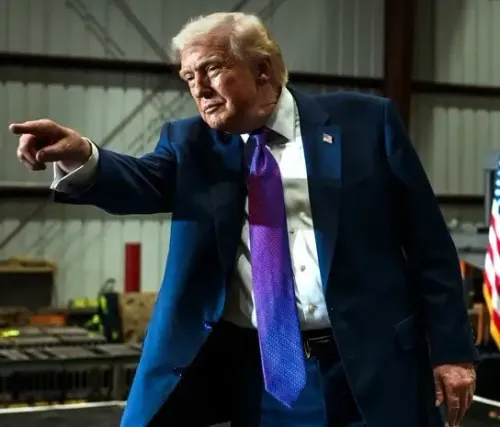
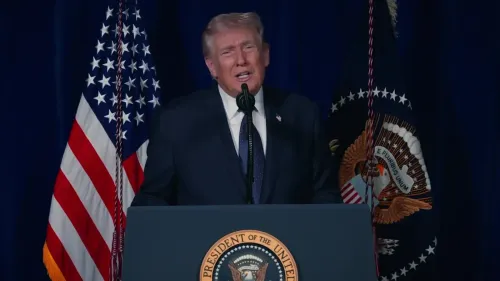
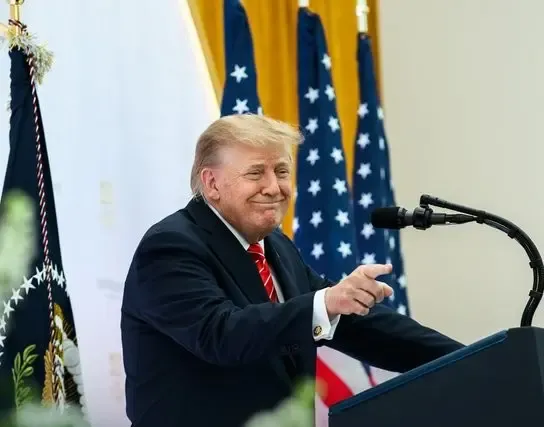
President Donald Trump announced an 'American-made' seafood label at a rally in Fort Myers, Florida on 24 October 2026 .
Health Secretary Robert F.
Kennedy Jr. alleged that shrimp from Vietnam and Cambodia contain high levels of antibiotics and disinfectants, claiming European nations refuse them.
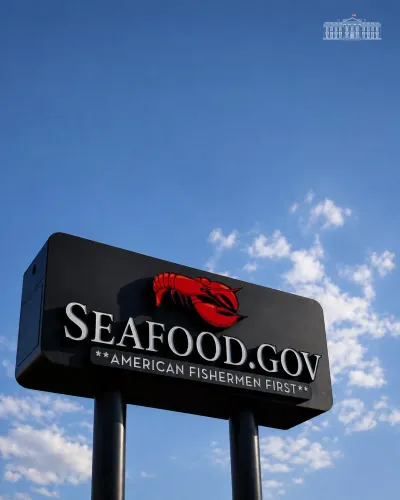
The label would allow US consumers to distinguish domestically produced seafood from imported alternatives.
Critical details — including whether the label would be mandatory or voluntary , the overseeing agency, and qualifying production standards — were not announced.
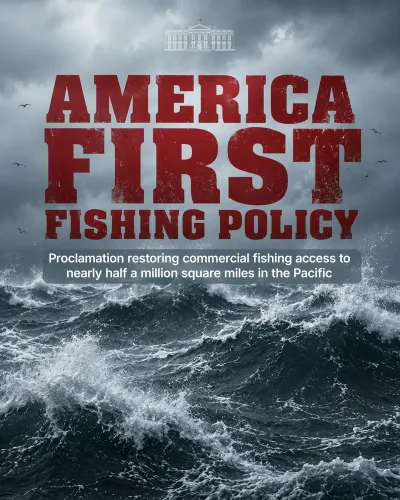
The initiative is part of a broader Trump effort to support Florida's Gulf Coast fishing industry, particularly its pink shrimp sector.
US President Donald Trump on 24 October 2026 announced a new labelling initiative to identify American-produced seafood, aiming to give domestic fishermen a competitive edge over foreign suppliers amid mounting concerns about imports, environmental standards, and the long-term health of the country's fishing industry.
Where the Announcement Was Made
The initiative was unveiled at a Republican campaign rally in Fort Myers, Florida, a region Trump specifically highlighted as an important centre of American commercial fishing, including Florida's well-known pink shrimp industry. Trump framed the measure as part of a broader effort to support the seafood sector along Florida's Gulf Coast.
'Today, we're also taking historic action to support an important industry here on the shores of the Gulf of America,' Trump said at the rally.
What Kennedy Said About Foreign Seafood
Health and Human Services Secretary Robert F. Kennedy Jr. took the stage to explain the labelling proposal, accusing foreign seafood producers of operating under environmentally destructive practices and selling products in the US under conditions that disadvantage American fishermen.
Kennedy argued that US commercial fishermen operate under some of the world's strictest environmental and sustainability regulations, which, he said, places them at a structural disadvantage against foreign competitors. 'Commercial fishermen in this country have the strongest environmental regulations. They have the greatest sustainability regulations but it puts them at a disadvantage to all the other fishermen in the world,' he said.
Kennedy specifically singled out shrimp production in Vietnam and Cambodia, alleging that some foreign operators destroy mangrove ecosystems, poison fish, and cultivate shrimp across multiple seasons until surrounding environments are degraded. He further claimed that shrimp produced under such conditions contain elevated levels of antibiotics and disinfectants. 'The shrimp are so loaded with antibiotics and disinfectants that no European country will take them,' Kennedy said, alleging the products are subsequently routed to the US market.
Notably, the allegations against foreign producers were not accompanied by supporting evidence in the remarks as supplied.
What the Label Would Do
The proposed label would allow consumers to identify seafood produced domestically, giving them a clearer choice at the point of purchase. Kennedy said the administration was also working to rebuild fishing infrastructure and reopen markets for domestic producers.
'And today he's announcing a label for all American made seafood that says it's American made, so Americans can make a good choice,' Kennedy told supporters.
Key Details Still Unclear
Significant implementation details remain unresolved. Neither Trump nor Kennedy specified when the labelling initiative would take effect, whether participation would be mandatory or voluntary, or which federal agency would oversee it. They also did not outline what production standards would qualify seafood for the American-made designation.
Seafood labelling and country-of-origin requirements are consequential trade issues, as they can shape consumer preferences, affect market access, and alter compliance costs for both domestic and foreign suppliers. This comes amid broader Trump administration moves to prioritise domestic industries over foreign competitors through trade and regulatory measures.
What Comes Next
The announcement signals political momentum behind domestic fishing advocacy, particularly in key electoral states such as Florida, but the absence of a regulatory timeline or agency mandate means the initiative's real-world impact remains to be seen. Industry groups and trade partners are likely to scrutinise the details closely once a formal rule or executive order is published.
Point of View
No implementation agency, and no defined standards. Kennedy's allegations about Vietnamese and Cambodian shrimp were pointed and vivid, but unaccompanied by evidence, raising questions about whether this will translate into enforceable trade policy or remain a talking point. Country-of-origin labelling battles have a long history in US trade law, including a WTO dispute over meat labels that the US ultimately lost; a seafood equivalent could face similar legal challenge. The real test will be whether an executive order or agency rulemaking follows — without that, this is atmospherics, not regulation.
NationPress
24 Oct 2026
Frequently Asked Questions
What is the 'American-made' seafood label announced by Trump?
It is a proposed labelling initiative announced by President Trump at a Fort Myers, Florida rally on 24 October 2026, designed to help consumers identify seafood produced domestically in the United States. The label aims to give American fishermen a competitive advantage over foreign seafood imports.
When will the American-made seafood label take effect?
No implementation timeline has been announced. Neither Trump nor Kennedy specified when the label would take effect, which federal agency would administer it, or whether it would be mandatory or voluntary.
What did RFK Jr. allege about foreign seafood producers?
Health Secretary Robert F. Kennedy Jr. alleged that shrimp producers in Vietnam and Cambodia use environmentally destructive practices, including destroying mangrove ecosystems, and that their products contain antibiotics and disinfectants at levels no European country would accept. The allegations were not accompanied by supporting evidence in the remarks as supplied.
Why does seafood labelling matter as a trade issue?
Country-of-origin labelling requirements can significantly influence consumer purchasing decisions, affect market access for foreign exporters, and impose compliance costs on producers. Past US labelling mandates in other food categories have faced legal challenges at the World Trade Organization, making the design of this initiative legally consequential.
Who would be affected by the new seafood label?
Domestic US fishermen and seafood producers stand to benefit if the label drives consumer preference toward American-caught products. Foreign exporters — particularly from Vietnam and Cambodia — could face reduced competitiveness in the US market. Consumers would gain a clearer indication of a product's origin at point of sale.