Trump warns Iran of 'great suffering', stays open to direct talks
Synopsis
Trump delivered his bluntest Iran warning yet — 'they'll suffer greatly' — while claiming US authorities already know who threatened American forces in Britain. But in the same breath, he said he's 'always' open to direct talks with Tehran. The dual signal of maximum pressure and open diplomacy defines the current US-Iran dynamic heading into what could be a decisive stretch.
Key Takeaways
President Trump warned on 6 October 2026 that Iran would 'suffer greatly' if found behind threats that led to US bombers being moved from Britain .
Trump confirmed specific threats triggered the military repositioning, stating US authorities already know who was responsible.
He alleged Iran was behind an attack involving FlyDubai , though he offered no evidence during the exchange.
Despite the warnings, Trump said he was 'always' open to direct diplomatic talks with Tehran .
Trump also declared that Iran 'will never have a nuclear weapon', linking the issue to falling oil prices and the Russia conflict.
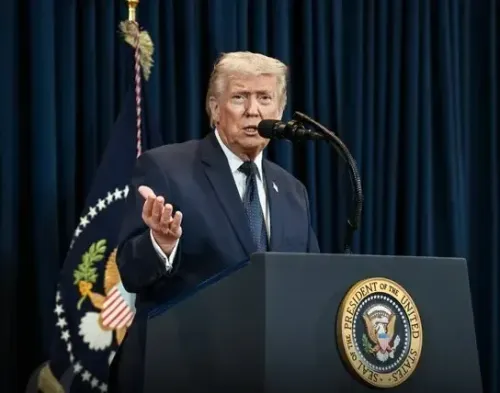
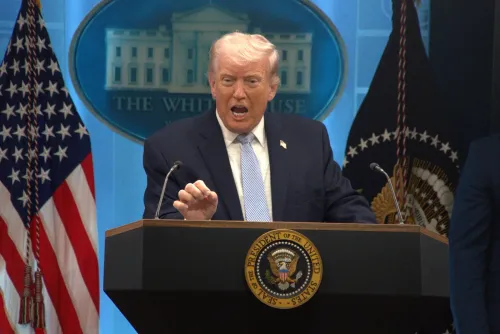
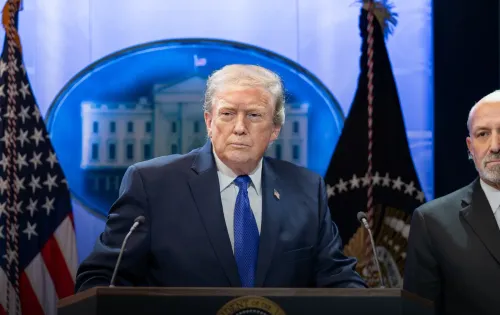
US President Donald Trump on 6 October 2026 issued a stark warning to Iran, saying Tehran would 'suffer greatly' if it was found responsible for threats that prompted Washington to reposition military assets away from Britain — while simultaneously leaving the door open to direct diplomatic talks with the Islamic Republic.
The Threat and the Military Movement
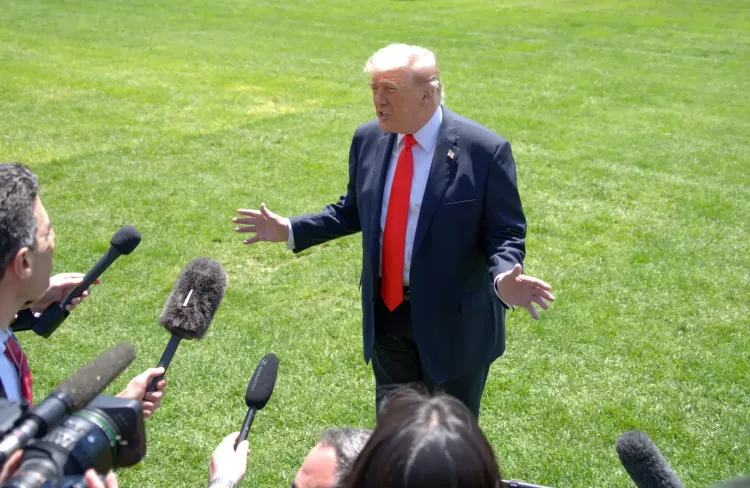
Speaking to reporters before departing aboard Marine One, Trump confirmed that specific threats had triggered the movement of US bombers from British soil. 'Yeah, I think we can say that. I mean, they didn't fly out by accident,' he said, adding: 'There were some threats and, rather than tempting the enemy, we'll capture the enemy and beat the enemy.'
Trump initially stopped short of identifying those responsible, but later indicated that US authorities had already established who was behind the threats. 'We actually know the people that made the threat and they've got themselves a big problem,' he said. When pressed on whether the threat-makers were linked to Iran, Trump replied: 'They would be linked to Iran.'
On the specific question of whether Iran had allegedly brought combat drones into Britain — the move reportedly prompting the repositioning — Trump did not confirm the detail but warned: 'I can't tell you that but if they did, they'll suffer greatly.'
Trump's Stance on UK as a Base for US Forces
Despite the repositioning, Trump insisted that Britain remained a safe location for American military personnel, citing his relationship with the British prime minister. 'I think it is and I have a very good relationship with your new prime minister,' he said when asked whether the UK was still a secure base for US forces.
Iran Accused Over FlyDubai Attack
Trump also alleged Iranian responsibility for a separate incident involving airline FlyDubai. 'I do; I personally do,' he said when asked whether he believed Iran was behind what a reporter described as a terrorist attack involving the carrier. He did not present evidence or elaborate further during the exchange, and the allegation remains unverified based on publicly available information at the time of writing.
Diplomacy Still on the Table
Notably, even as Trump delivered his sharpest rhetoric toward Tehran in the exchange, he left the door unmistakably open to negotiations. Asked directly whether he was willing to engage in direct talks with Iran, the President gave a one-word answer: 'Yeah, always.' This reflects a pattern consistent with Trump's broader foreign-policy posture — high-pressure warnings paired with a stated willingness to deal.
Oil, Russia, and Iran's Nuclear Ambitions
Trump also addressed energy markets during the exchange, tying Iran to broader geopolitical dynamics. He claimed that attacks on Russian refineries were straining diesel supplies, with Europe and the United States drawing on reserves. 'Gasoline prices are going down very rapidly. When the war ends, they'll drop like a rock and the war is going to end very soon,' Trump said. He closed the subject with a definitive declaration: 'Iran will never have a nuclear weapon.'
The remarks come amid sustained tensions in the Middle East and ongoing uncertainty over the status of any renewed nuclear framework with Tehran. How Iran responds to both the warning and the diplomatic overture is expected to shape the next phase of US-Iran engagement.
Point of View
Deployed simultaneously. The warning that Iran would 'suffer greatly' carries weight precisely because it is left vague — no red line is drawn, no timeline given, which preserves maximum strategic ambiguity. But the FlyDubai allegation is the more consequential and underscrutinised element: a sitting US president personally attributing a terrorist attack to a sovereign state, without presenting evidence, sets a precedent with serious diplomatic and legal implications. The 'yeah, always' on direct talks, meanwhile, signals that Trump's Iran policy remains transactional rather than ideological — a dealmaker's posture that Tehran has historically found difficult to read.
NationPress
6 Oct 2026
Frequently Asked Questions
Why did the US move military assets from Britain?
President Trump confirmed that specific threats prompted the repositioning of US bombers from British soil, though he did not initially name those responsible. He later indicated that US authorities had identified the threat-makers, saying they were linked to Iran.
What did Trump say about direct talks with Iran?
Trump said he was 'always' open to direct talks with Iran, even as he warned Tehran of serious consequences if it was found behind the threats. The statement signals a continued dual-track approach of pressure and diplomacy.
What is Trump's allegation regarding FlyDubai?
Trump personally accused Iran of responsibility for an attack involving airline FlyDubai, describing it in response to a reporter's question as a terrorist attack. He did not present evidence or elaborate further during the exchange.
What did Trump say about Iran and nuclear weapons?
Trump declared that Iran 'will never have a nuclear weapon', making the statement in the context of a broader discussion about oil prices, Russian refinery attacks, and energy supply disruptions affecting Europe and the United States.
Is Britain still considered safe for US military forces according to Trump?
Yes. Despite the repositioning of US bombers, Trump said he believed Britain remained a safe location for American forces and cited his strong relationship with the British prime minister as a factor in that assessment.