Trump defends targeting leak sources, says journalists may be compelled
Synopsis
Trump drew a sharp line — 'we're after leakers, not journalists' — while simultaneously defending the right to subpoena reporters, their sources, and potentially their families. The withdrawal of Justice Department subpoenas against New York Times journalists has not ended the debate; if anything, Trump's remarks signal the administration sees compelling reporters as a legitimate tool whenever national security is invoked.
Key Takeaways
President Trump on 25 July defended compelling journalists to reveal confidential sources in national security leak cases.
The Justice Department had withdrawn subpoenas issued to New York Times journalists linked to Air Force One reporting.
Trump said: 'We're not after journalists, we're after leakers' — but argued journalists are the route to finding them.
When asked about subpoenaing journalists' family members, Trump did not rule it out, saying 'We do it legally.' Trump invoked Barack Obama , claiming previous administrations pursued journalists during leak probes without similar scrutiny.
Trump also called for identifying the person who leaked the Supreme Court's draft Dobbs opinion overturning Roe v.
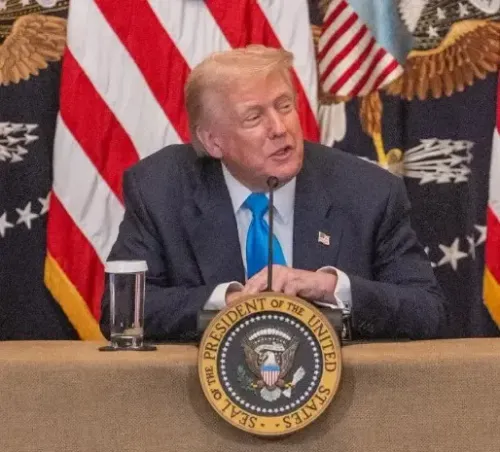
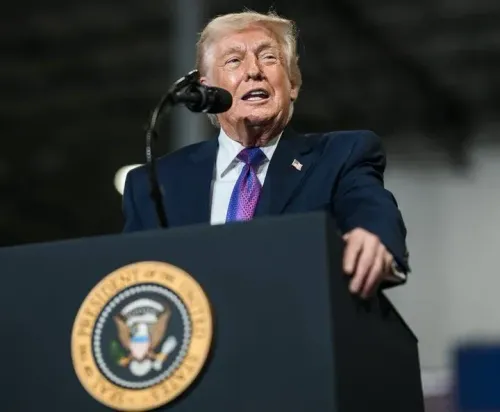
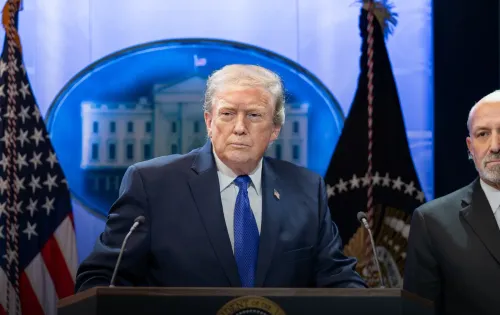
US President Donald Trump on 25 July defended his administration's use of legal tools to identify government officials who disclose classified or sensitive information, insisting the effort targets 'leakers' rather than journalists. The remarks followed reports that the Justice Department had withdrawn subpoenas served on New York Times journalists linked to reporting about Air Force One.
What Trump Said
'We're not after journalists, we're after leakers,' Trump said during a lengthy White House question-and-answer session. 'We're after people that are cowards, people that are unpatriotic, people that are treasonous in many cases.'
Trump argued that locating the source of unauthorised disclosures often requires questioning the reporters who receive the information. 'The way you find them is through the journalists,' he said, adding that reporters 'probably know they shouldn't write' certain material involving national security.
On Subpoenaing Journalists and Their Families
When asked whether it was appropriate to subpoena family members of journalists during leak investigations, Trump did not answer directly but defended the broader use of legal instruments. 'I don't know what's appropriate, what's not. We do it legally,' he said.
He argued that compelling journalists to name confidential sources could be justified when national security is at stake. 'The way you find out is you say to the journalists, if it's national security, who gave you this information? I think it's absolutely fine,' Trump said.
Obama Comparisons and Political Framing
Trump repeatedly invoked former President Barack Obama, claiming previous administrations had similarly pursued journalists during leak probes. 'Barack Hussein Obama did it all the time. He went after journalists and nobody said anything about it,' Trump said. 'But when a Republican does it, when in particular Trump does it, everybody makes a big deal.'
He also referenced the leak of the Supreme Court's draft opinion in the Dobbs case that overturned Roe v. Wade, arguing the individual responsible should have been identified. 'That person should be found,' he said.
The Broader Context
The tension between the US government and the press over confidential sources is longstanding. Successive administrations — of both parties — have investigated unauthorised disclosures of classified information, while news organisations have consistently argued that protecting sources is foundational to investigative journalism and press freedom.
Federal law does not provide an absolute shield protecting journalists from subpoenas, though Justice Department policies governing investigations involving members of the news media have evolved over time. Notably, the Biden administration had moved to restrict such subpoenas before the current Justice Department reversed course.
What Happens Next
The administration's stance is expected to face scrutiny from press freedom advocates and legal scholars, particularly regarding the scope of subpoenas that may extend to journalists' family members. The exchange occurred at a White House event marking new milestones in the administration's civilian nuclear energy initiative, after which Trump fielded questions on Iran, Saudi Arabia, tariffs, energy policy, Venezuela, and domestic political issues.
Point of View
Not journalists' — is legally and practically difficult to sustain: if the only path to a leaker runs through a reporter's notes, the distinction collapses. The Obama comparison, while factually grounded in that administration's aggressive use of the Espionage Act, obscures a key difference: the current posture reportedly extends to family members of journalists, a step that has no clear precedent. Press freedom organisations will note that the withdrawal of the NYT subpoenas is procedural, not principled — Trump's own remarks on 25 July confirm the administration views journalist compulsion as an available and acceptable tool. The Dobbs reference is also telling: that leak originated inside the Supreme Court, an institution the executive branch does not control, yet Trump frames its investigation as unfinished business.
NationPress
23 Oct 2026
Frequently Asked Questions
Why did Trump defend compelling journalists to reveal their sources?
Trump argued that identifying government officials who leak classified information often requires questioning the journalists who receive that information. He said national security concerns justify asking reporters to name their sources, calling it 'absolutely fine' in such cases.
What happened with the Justice Department subpoenas to New York Times journalists?
Reports indicate the Justice Department withdrew subpoenas that had been issued to New York Times journalists in connection with reporting related to Air Force One. Trump's remarks came after he was asked about those withdrawals.
Did Trump rule out subpoenaing family members of journalists?
No. When asked whether subpoenaing family members of journalists was appropriate during leak investigations, Trump did not directly answer but said, 'I don't know what's appropriate, what's not. We do it legally.'
How does US law treat journalist source protection?
Federal law does not provide journalists an absolute shield from subpoenas. Justice Department policies on investigations involving news media have evolved across administrations, but no blanket statutory protection for confidential sources exists at the federal level.
Why did Trump bring up Barack Obama in this context?
Trump claimed that the Obama administration had also pursued journalists during leak investigations and faced little criticism for it, arguing that similar actions by his administration attract disproportionate scrutiny because he is a Republican.