Trump offers 1% of recovered funds as fraud whistleblower reward
Synopsis
Trump's 1% fraud-recovery reward is unprecedented in scale — a potential multi-million-dollar windfall for anyone who helps the government claw back stolen taxpayer money. With no written framework yet, Trump personally appointing himself as arbitrator, and $1.2 billion in California Medicaid funds already withheld, this is less a finished policy and more a high-stakes political signal.
Key Takeaways
President Trump announced a 1% reward on recovered government funds for fraud whistleblowers, including journalists, on 21 October 2026 .
On a $1 billion recovery, the informant would receive up to $10 million under the proposed scheme.
The Justice Department separately launched a Fraud Whistleblower Incentive Program on 20 October , offering fixed payments of $10,000–$30,000 for criminal-charge-related tips.
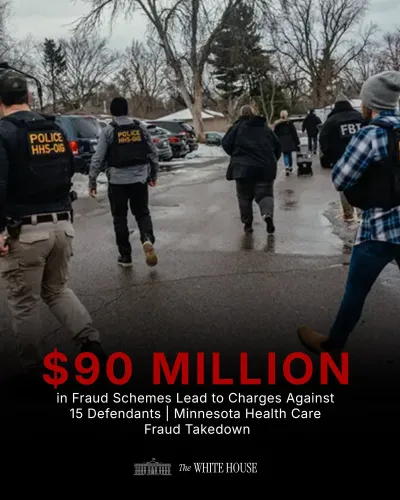
The administration deferred $1.2 billion in California Medicaid payments and approximately $500 million in Minnesota healthcare payments pending review.
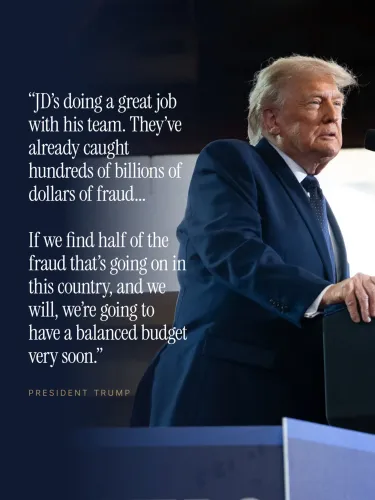
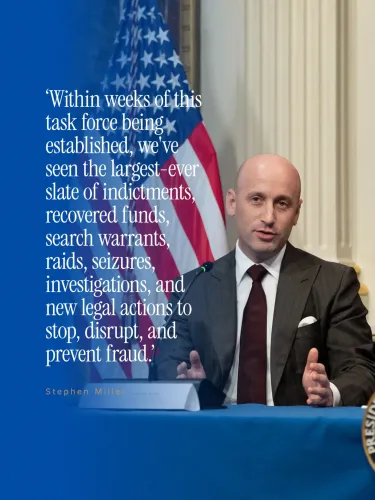
Trump claimed the administration has already uncovered $260 billion in fraud — a figure not independently verified.
No written legal framework for the uncapped 1% reward has been published; Trump said he will personally arbitrate payment disputes.
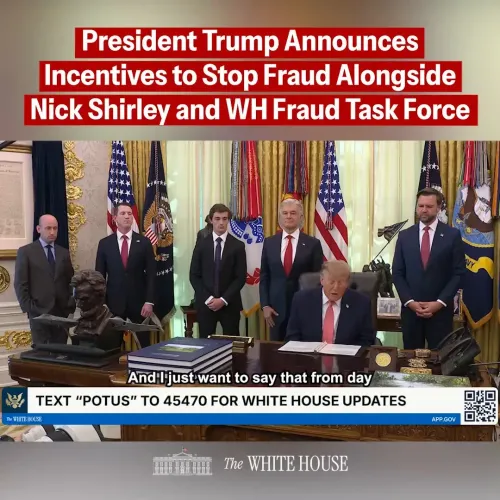
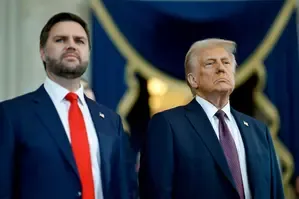
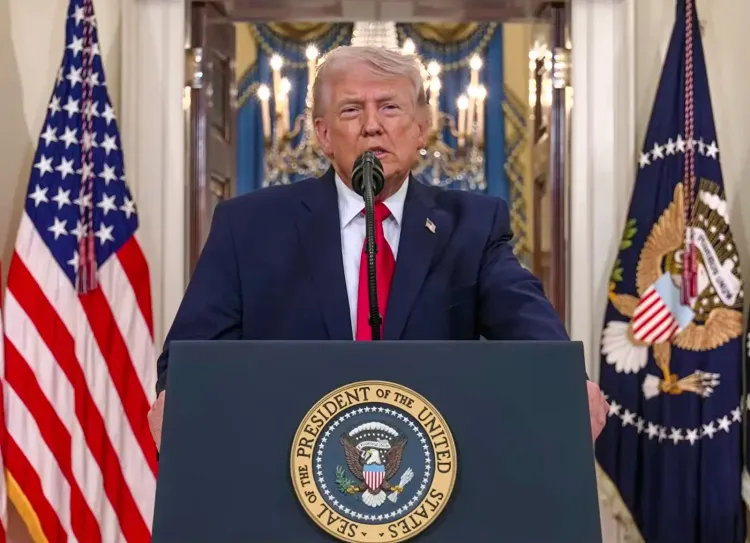
US President Donald Trump on 21 October 2026 announced plans to reward whistleblowers — including journalists — with 1% of government funds recovered through fraud investigations, as his administration simultaneously unveiled a broader anti-fraud crackdown that includes tougher criminal penalties and the withholding of $1.2 billion in Medicaid payments to California. The announcement was made from the Oval Office, with Vice President JD Vance and senior administration officials present.
The Whistleblower Reward Programme
Trump said the initiative was designed to incentivise ordinary Americans to expose suspected corruption and the misuse of taxpayer money. Under the proposed scheme, informants who help recover large sums stand to receive potentially millions of dollars. 'If you turn somebody in and you, let's say, report and you find $1 billion, we are giving a commission to that person of 1 percent,' Trump said.
He added that the incentive would extend to journalists, subject to applicable laws and approval from their news organisations. 'Very few things are more important than good journalism,' Trump said, noting that reporters often hold information capable of exposing wrongdoing. The public can report suspected fraud through a new government website, fraud.gov.
Notably, Trump said he would personally adjudicate disputes over who deserved payments. 'I will be the arbitrator of all of these decisions,' he said, adding that he would resolve claims quickly and fairly, potentially dividing awards among competing claimants.
How It Differs from Existing Programmes
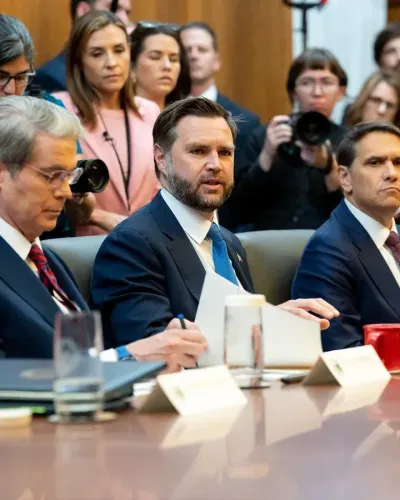
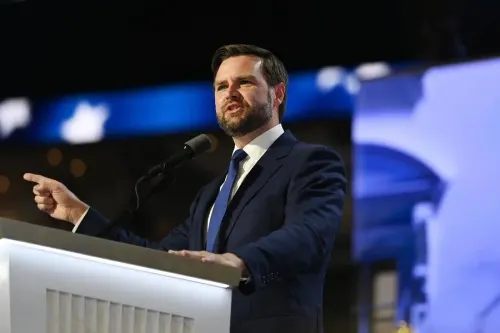
Trump's announcement goes beyond the Justice Department's separately launched Fraud Whistleblower Incentive Program, announced on 20 October, which offers fixed payments of between $10,000 and $30,000 for information leading to criminal fraud charges. Vance, who heads the White House Task Force to Eliminate Fraud, signalled that the administration envisions a broader, recovery-linked reward system not restricted to criminal prosecutions. 'Our plan is not to limit this just to criminal prosecutions. It's as the president said, if you find the money and you help us recover it, then you benefit from the program,' Vance said.
The administration did not provide a complete written framework clarifying how the proposed uncapped 1% payments would operate alongside existing federal whistleblower mechanisms, including the False Claims Act. Legal observers note that implementation rules, eligibility criteria, and the relationship with existing statutes remain to be established before the programme's actual scope can be assessed.
California and Minnesota Medicaid Deferrals
Centers for Medicare and Medicaid Services Administrator Mehmet Oz announced that the federal government was deferring an additional $1.2 billion in Medicaid payments to California, citing personal-care services whose costs had reportedly grown by 24% over three years — approximately twice the national average. Oz said federal officials wanted California to justify the payments before funds are released. The announcement represents a deferral, not a final fraud determination.
Separately, Oz said roughly $500 million in Minnesota healthcare payments had also been deferred while suspected irregularities involving providers are examined. The administration accused Democratic-led states of failing to prevent misuse of public funds, though those political allegations were not accompanied by formal findings of wrongdoing by the named state leaders.
Calls for New Legislation
Senior administration officials called for additional congressional action to impose mandatory minimum prison sentences for benefits fraud and civil liability on state officials who knowingly allow fraudulent activities. Both measures remain proposals and require legislative approval. Vance argued that the scale of fraud warranted a presidential-level coordination mechanism, noting that 'sometimes the fraud will touch seven different departments simultaneously, and you actually need presidential led directive in order to fight that fraud simultaneously.'
Trump claimed his administration had already uncovered $260 billion in fraud, citing federal healthcare programmes, food assistance, Social Security, and small-business loans. Those figures were not independently verified during the announcement. The full legal and operational framework for the 1% reward proposal is expected to evolve as the administration works to align it with existing statutes.
Point of View
Making its enforceability uncertain. Trump designating himself sole arbitrator of payment disputes concentrates discretion in ways that invite legal challenge and undermine the programme's credibility as an independent anti-fraud tool. The simultaneous withholding of Medicaid funds from Democratic-led states without formal fraud findings suggests the initiative is at least partly a political lever against blue-state governance. The real test will be whether Congress acts on the mandatory-minimum proposals — without legislation, much of this remains a press conference announcement.
NationPress
21 Oct 2026
Frequently Asked Questions
What is Trump's 1% fraud whistleblower reward?
It is a proposed incentive under which individuals — including journalists — who help the US government recover funds lost to fraud would receive 1% of the amount recovered. On a $1 billion recovery, that would amount to $10 million. Trump announced the initiative from the Oval Office on 21 October 2026, though a full written legal framework has not yet been published.
How does the 1% reward differ from the Justice Department's whistleblower programme?
The Justice Department's separately launched Fraud Whistleblower Incentive Program, announced on 20 October, offers fixed payments of $10,000 to $30,000 for tips that lead to criminal fraud charges. Trump's proposed 1% recovery-based reward is uncapped, extends beyond criminal prosecutions, and has not yet been integrated into a written statutory framework.
Why has the administration withheld $1.2 billion in California Medicaid funds?
Centers for Medicare and Medicaid Services Administrator Mehmet Oz announced the deferral, citing personal-care service costs that reportedly grew 24% over three years — about twice the national average. The administration says it wants California to justify the payments before funds are released. The announcement is a deferral, not a final finding of fraud.
Who will decide who gets the whistleblower payments?
Trump said he himself would be the arbitrator of payment disputes. He indicated he would resolve competing claims quickly and fairly, potentially splitting awards among multiple claimants. Critics note this concentrates discretion in the executive and raises questions about impartiality and legal structure.
What new laws is the administration seeking to fight fraud?
Senior administration officials called for congressional action to impose mandatory minimum prison sentences for benefits fraud and civil liability on state officials who knowingly fail to prevent fraudulent activities. Both measures are proposals that have not yet been enacted and require legislative approval from Congress.