Trump's Upcoming Address on Iran Conflict: What to Expect
Synopsis
US President Donald Trump will provide a significant update on the ongoing conflict with Iran in a pivotal address from the Oval Office. As military tensions escalate, the nation awaits insights into the administration's strategy and potential diplomatic actions.
Key Takeaways
Trump's address will focus on the ongoing conflict with Iran.
Military actions have escalated, raising public concerns.
The US is considering deploying troops inside Iran for nuclear security.
No direct negotiations have occurred between the US and Iran.
The Isfahan Nuclear Energy Center is a key target in the conflict.
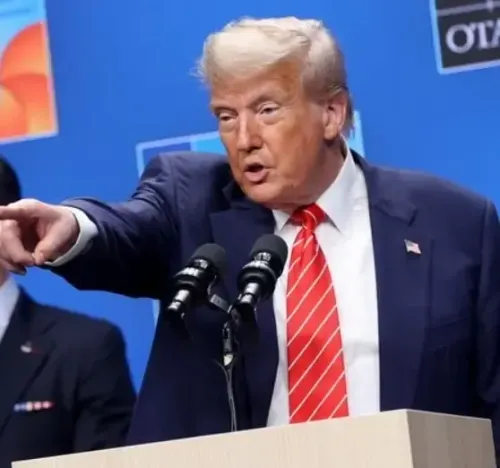
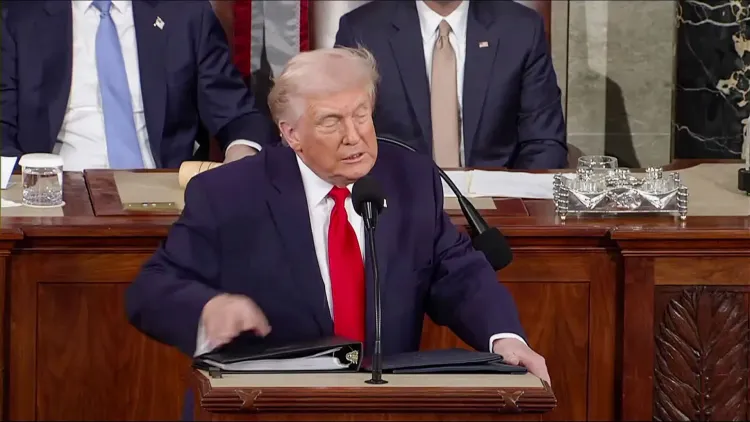
Washington, April 1 (NationPress) - US President Donald Trump is set to deliver a crucial address to the nation on Wednesday evening (Thursday morning, Indian Standard Time) regarding the ongoing hostilities with Iran, as the military engagement between the US and Israel extends into its second month.
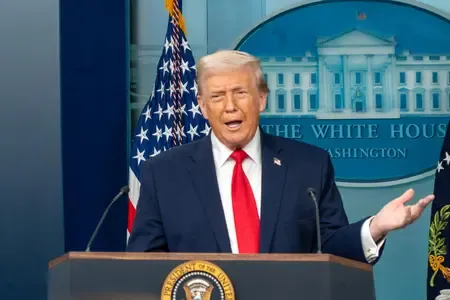
According to White House Press Secretary Karoline Leavitt, the address will take place at 9 PM ET. Leavitt stated, “Don’t miss it: Tomorrow night, President Trump will provide a significant update on Iran.” This will mark his first address from the Oval Office since the onset of the conflict, which began on February 28.
The upcoming address occurs amidst escalating military operations and increasing public concern regarding Washington's next strategic moves. The Trump Administration appears to be adopting a dual strategy that combines military firmness with possible diplomatic avenues.
The ongoing US-Israeli initiative against Iran has now entered its second month, with recent surveys indicating rising apprehension among the public regarding the conflict's direction and the potential for deeper American involvement.
Trump has consistently articulated the US stance as focused on neutralizing Iran’s nuclear ambitions while striving to avoid an extended ground conflict. Officials familiar with discussions indicate that the goal is to “eliminate the threat” presented by Iran’s enriched uranium efforts.
Defence Secretary Pete Hegseth informed the press the day prior that the Pentagon is ready with “decisive options,” insisting that any adjustments in military posture are aimed at deterrence rather than expanding the conflict.
Reports suggest that Trump is contemplating the deployment of American forces within Iran to secure the country's highly enriched uranium. This operation could span several days and likely involve elite special operations tasked with the extraction of radioactive materials.
Such a mission would place US troops deep within Iranian territory, exposing them to risks from Iranian short-range missiles and drones, analysts warn.
Military activity has intensified recently; on Tuesday, the US conducted strikes on an Iranian city housing one of the nation’s primary nuclear facilities.
The Isfahan Nuclear Energy Center, a critical site for Iran, was previously targeted last June by US B-2 bombers and a submarine. Analysts suggest that a significant portion of Iran’s highly enriched uranium is likely stored at this location, making it pivotal to Washington’s strategic considerations.
Meanwhile, Tehran has indicated a nuanced diplomatic stance. Iranian Foreign Ministry spokesperson Esmaeil Baqaei stated that there have been no direct talks with the Trump administration since the conflict's inception.
“We have had no negotiations with America in these thirty-one days,” Baqaei remarked. “What has occurred is a request for negotiations, along with a set of proposals from America, which has been communicated to us through certain intermediaries, including Pakistan.
Point of View
The need for clarity from leadership is paramount. The upcoming address by President Trump is an opportunity to outline the administration's strategy, balancing military readiness with diplomatic efforts.
NationPress
7 Oct 2026
Frequently Asked Questions
When will President Trump address the nation about Iran?
President Trump will address the nation on Wednesday night at 9 PM ET.
What is the focus of Trump's address?
The address will provide updates on the ongoing conflict with Iran and the administration's strategic approach.
What has been the public's reaction to the Iran conflict?
Recent polls indicate growing public unease regarding the trajectory of the conflict and the potential for deeper US involvement.
Is there any diplomatic communication with Iran?
Iran has indicated that there have been no direct negotiations with the Trump administration since the conflict began.
What military actions have the US taken against Iran recently?
The US has conducted strikes on Iranian cities housing key nuclear facilities.