What Prompted Trump's Military Action Against Iran?
Synopsis
US President Donald Trump's recent military strikes on Iran were influenced by multiple factors, including diplomatic efforts and intelligence alerts. The decision has raised questions about the actual threat level to the US. Dive into the complexities behind this significant military action.
Key Takeaways
Trump's military strikes on Iran were influenced by regional allies.
No immediate threat to the US was identified by intelligence.
Saudi Arabia played a significant role in urging military action.
The strikes marked a substantial increase in US military presence in the region.
Long-standing US-Iran tensions date back to the 1979 Revolution.
On March 1, in Washington (NationPress), the decision made by US President Donald Trump to initiate extensive military actions against Iran was influenced by weeks of diplomatic negotiations, intelligence assessments, and advocacy from regional partners, as reported by leading US media outlets.
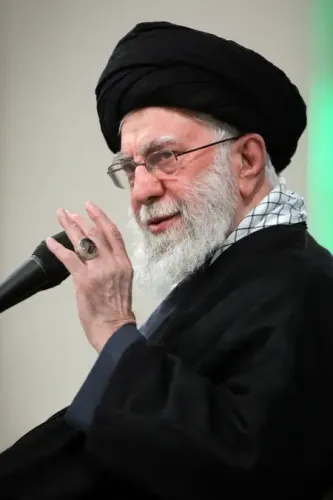
The Wall Street Journal highlighted that intelligence communities from Israel and the US had been closely monitoring for a unique chance to strike when senior Iranian officials, including Supreme Leader Ali Khamenei, were convened. They had pinpointed not just one but three significant meetings.
This opportunity was deemed so exceptional that “US and Israeli warplanes executed strikes in broad daylight.”
According to the Washington Post, Trump proceeded with the strikes “despite the lack of evidence from US intelligence indicating an immediate threat to the US mainland.” Nevertheless, allies in the region argued for decisive action. The Saudi Crown Prince, Mohammed bin Salman, reportedly made “multiple calls” urging for a US-led offensive.
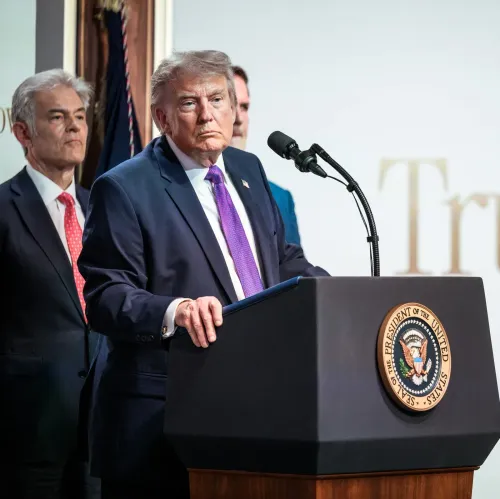
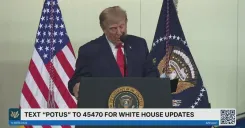
In the lead-up to the attack, Trump’s language became increasingly assertive. “I have a lot of matters at hand,” he mentioned to supporters in Texas. “A significant decision lies ahead, and it’s not simple.”
Behind the scenes, his administration employed what Politico referred to as a “dual-track strategy,” where envoys Steve Witkoff and Jared Kushner were dispatched for negotiations while simultaneously bolstering US military strength in the region.
By the end of the week, Trump made the definitive choice to engage in military action after determining that Iran would not commit to abandoning its nuclear ambitions, as stated by three senior officials within his administration.
One senior official informed the Post that negotiations failed because Tehran aimed to maintain its enrichment capabilities, potentially leading to a nuclear weapon in the future.
Politico reported that Trump insisted Iran must “publicly and unequivocally commit to relinquishing nuclear weapons.” When this did not occur, the chance for diplomacy diminished.
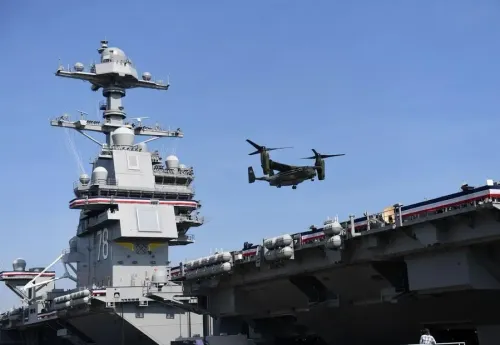
The Journal also noted that Trump ordered “the largest military buildup of US forces in the Middle East in twenty years,” sending aircraft carriers, destroyers, and advanced planes to bases surrounding Iran.
Vice President JD Vance oversaw the operation from the White House Situation Room, while Trump monitored the situation from Mar-a-Lago, as reported by the Post.
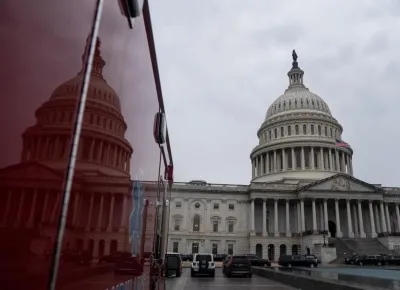
Democratic lawmakers voiced their concerns regarding the urgency of the strikes. “What posed the imminent threat to America?” posed Sen. Mark R. Warner. “I cannot answer that question.”
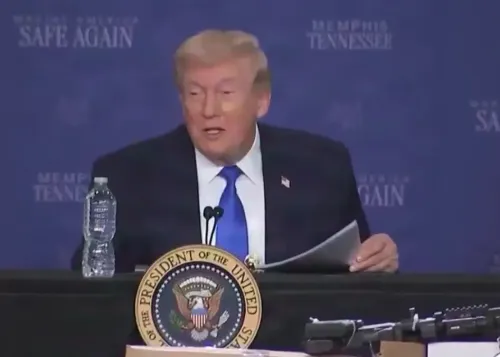
In contrast, Trump framed the airstrikes as a long-awaited response. “For 47 years, we have been tolerating their actions,” he stated. “They have been inflicting harm on our personnel, attacking ships one by one. And every month, there is a new incident, so … we cannot endure this indefinitely.”
The military actions represented the most extensive US engagement with Tehran in recent years. They also reflected an assessment that air power, along with regional collaboration, could alter the strategic landscape without deploying American ground troops.
The United States and Iran have been estranged since the 1979 Islamic Revolution and the ensuing hostage crisis at the US Embassy in Tehran, with intermittent escalations over Iran’s nuclear activities, proxy wars in the region, and assaults on US forces throughout the Middle East.
Point of View
It is critical to present an unbiased perspective on Trump's military actions against Iran. This decision, influenced by diplomatic pressures and regional alliances, prompts serious discussions on its necessity and implications for US foreign policy. A thorough examination is essential as tensions escalate.
NationPress
2 Oct 2026
Frequently Asked Questions
What led to Trump's decision to strike Iran?
Trump's decision came after weeks of diplomacy, intelligence assessments, and pressure from regional allies, particularly from Saudi Arabia.
What was the response from US intelligence regarding threats from Iran?
US intelligence assessed that there was no immediate threat to the US mainland at the time of the strikes.
How did regional allies influence the military action?
Regional allies, especially Saudi Arabia, urged the US to take military action against Iran, arguing it was the right moment to act.
What was the scale of the military buildup in the Middle East?
Trump ordered the largest deployment of US military forces in the Middle East in two decades, including aircraft carriers and destroyers.
What are the historical tensions between the US and Iran?
The US and Iran have had a hostile relationship since the 1979 Islamic Revolution, marked by issues like Iran's nuclear program and regional conflicts.