Trump unveils National Resilience Strategy to shield US from adversaries

Synopsis
President Trump's National Resilience Strategy goes beyond a routine security document — it reframes resilience as an offensive deterrence tool, weaves AI and supply-chain sovereignty into national security doctrine, and explicitly devolves responsibility from Washington to states and citizens. The real test is whether implementing directives and budget allocations follow the sweeping language.
Key Takeaways
President Trump released the National Resilience Strategy on 24 June from the White House .
The strategy sets a goal that no adversary or hazard should be able to hold America or its core interests at risk.
Four guiding principles — prioritise, modernise, distribute, simplify — span national security, the economy, public health, and infrastructure.
The plan calls for expanding US artificial intelligence capabilities and limiting adversaries' access to advanced American technologies.
Responsibility for resilience is to be shared among individuals, businesses, states, and local governments, not centralised in Washington, D.C.
The White House framed the framework as an 'America First' resilience model aimed at long-term national security and economic growth.
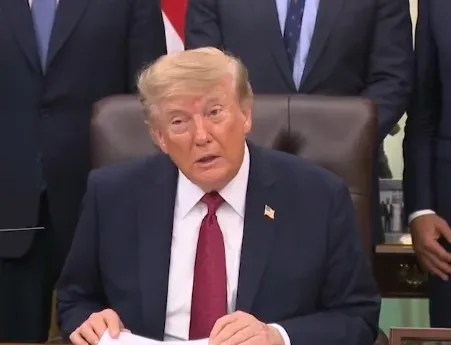
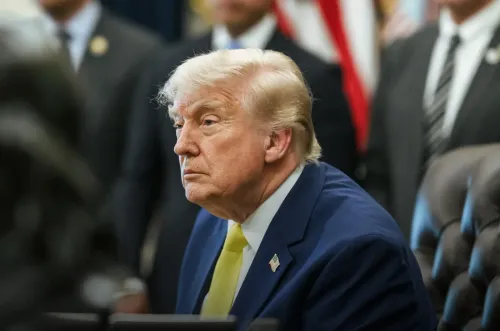
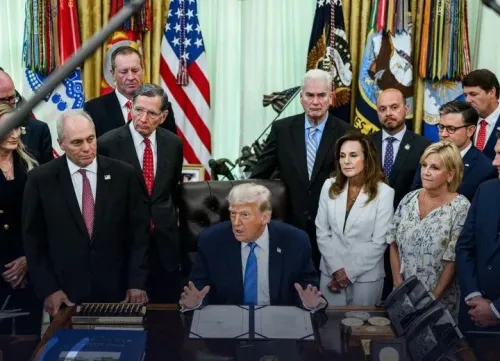
US President Donald Trump on Wednesday, 24 June released a sweeping National Resilience Strategy from the White House, setting a core national objective that no adversary, crisis, or disruption should be able to threaten America's fundamental interests. The framework places national security, supply chains, infrastructure, and emerging technology at the centre of a broad government-wide overhaul.
What the Strategy Says
The document defines resilience as a strategic capability that promotes prosperity, deters adversaries, and preserves US freedom of action during crises. It outlines four guiding principles — prioritise, modernise, distribute, and simplify — applied across four key sectors: national security, the economy, public health and safety, and national infrastructure.
The strategy states that the US administration intends resilience to become a core national objective, supported by government, industry, communities, and individual citizens.
Modernisation and Technology at the Core
A central pillar of the plan is modernisation. The strategy calls for upgrading ageing infrastructure, strengthening supply chains, and expanding the use of emerging technologies. 'We must foster the affordable and secure integration of US technology to maximise resilience, including trustworthy US artificial intelligence capabilities,' the document states.
The strategy also ties resilience directly to economic competitiveness, calling for the protection of critical goods, commodities, services, and networks, while limiting adversaries' access to advanced American technologies and blocking foreign exploitation of US markets and research funding.
National Security and Distributed Command
On the national security front, the strategy argues that resilient communications networks, modern infrastructure, and distributed command systems are essential to ensuring adversaries cannot disrupt US decision-making or critical operations. The document frames this as a long-term deterrence posture rather than a reactive measure.
Trump's Federalism Push
The plan reflects President Trump's stated emphasis on federalism. Responsibility for resilience, the strategy says, should be shared among individuals, businesses, states, and local governments — rather than concentrated in Washington, D.C. 'Under my leadership, we are returning power back to the American People — shifting authority from Washington, D.C. to States and communities where it belongs,' Trump wrote in an accompanying message.
The White House described the framework as an 'America First' resilience model designed to protect lives, strengthen economic growth, and support long-term national security. Trump added: 'My National Resilience Strategy ensures this vital mission will endure for generations to come.'
What Comes Next
The strategy also calls for reducing bureaucracy, streamlining government processes, and improving information sharing across agencies and sectors. Analysts will now watch for implementing directives and budget allocations that translate the document's broad principles into concrete policy action. The strategy's durability will depend on how deeply its mandates are institutionalised across federal departments.
Point of View
Light on mechanism. Framing resilience as an 'America First' model signals a deliberate departure from multilateral approaches to shared threats like pandemics and climate-linked infrastructure stress. The federalism push is notable: devolving resilience responsibility to states risks creating a patchwork of preparedness, precisely the vulnerability adversaries exploit. Until implementing directives and budget lines are published, the document's ambition outpaces its accountability.
NationPress
23 Sept 2026
Frequently Asked Questions
What is Trump's National Resilience Strategy?
The National Resilience Strategy is a White House policy document released on 24 June that sets a national goal of ensuring no adversary, crisis, or disruption can threaten America's core interests. It covers national security, supply chains, infrastructure, public health, and emerging technology across four guiding principles: prioritise, modernise, distribute, and simplify.
Why did Trump release this strategy?
Trump framed the strategy as fulfilling a commitment made when he returned to office, stating that no adversary or danger should be able to hold America at risk. The document positions resilience as a long-term deterrence tool and an economic competitiveness measure, not merely a defensive posture.
How does the strategy address artificial intelligence?
The strategy explicitly calls for the 'affordable and secure integration of US technology,' including what it terms 'trustworthy US artificial intelligence capabilities,' to maximise national resilience. It also seeks to limit adversaries' access to advanced American technologies and prevent foreign exploitation of US research funding.
What role do states and local governments play under this strategy?
The strategy shifts resilience responsibility away from the federal government toward individuals, businesses, states, and local governments. Trump wrote that his administration is 'returning power back to the American People — shifting authority from Washington, D.C. to States and communities where it belongs.'
What happens next after the strategy's release?
The strategy sets broad principles, but concrete implementation will depend on follow-on directives, agency-level action plans, and budget allocations. Analysts are watching for how deeply the mandates are institutionalised across federal departments and whether funding commitments match the document's ambitions.