Trump's Pearl Harbor Comment Surprises Japan's PM Takaichi
Synopsis
During a recent meeting at the White House, President Trump’s Pearl Harbor remark took Japanese Prime Minister Takaichi by surprise, creating an awkward moment in an otherwise friendly discussion. This incident highlights the complexities of international relations and the sensitivities surrounding historical references.
Key Takeaways
Trump's Pearl Harbor remark caught Takaichi off guard.
The meeting was marked by friendly exchanges.
Trump emphasized the need for Japan to 'step up' in international matters.
Historical references can evoke strong emotions in diplomacy.
The US and Japan have a close post-war alliance.
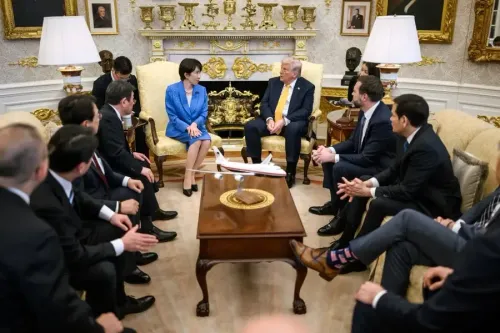
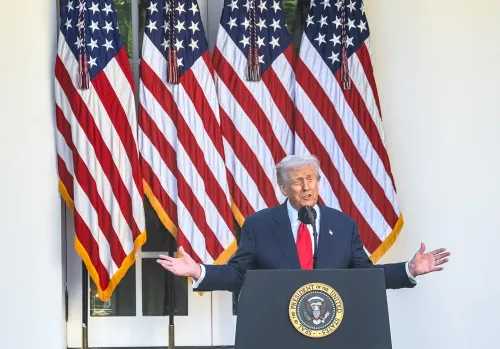
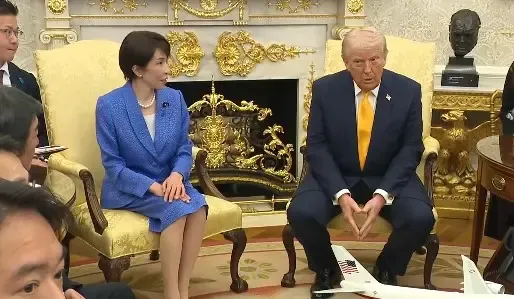
Washington, March 20 (NationPress) President Donald Trump’s effort to justify the secrecy surrounding US military actions against Iran by referencing Pearl Harbor seemed to catch Japanese Prime Minister Sanae Takaichi off guard during their White House discussion, resulting in an uncomfortable pause amid a generally amicable atmosphere of alliance.
This moment occurred when Trump was queried about why allies in Europe and Asia, Japan included, were not notified prior to the strike.
“One thing is clear, you want to maintain an element of surprise,” Trump stated. “When we initiated our action, we did so with great force, and we didn’t inform anyone beforehand because we aimed for that surprise.”
He then brought up Japan’s infamous 1941 attack on Pearl Harbor.
“Who understands surprise better than Japan, right? Why didn’t you inform me about Pearl Harbor, right?” Trump remarked. “You understand surprise, likely more than we do, and we had to achieve that surprise, and we did.”
He maintained that the choice to keep allies uninformed was crucial for maintaining military leverage. “Thanks to that surprise, we incapacitated -- in the initial two days we likely eliminated 50 percent of our targets and achieved more than we had anticipated. So, if I inform everyone ahead of time, the surprise is lost, correct?”
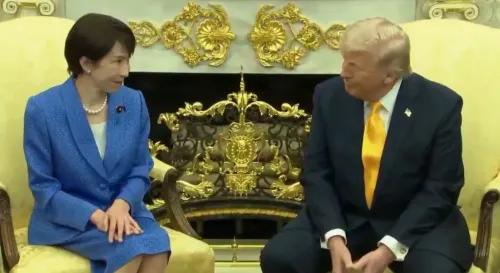
According to a report from the foreign pool, Takaichi's reaction was immediate when Trump made the Pearl Harbor reference. Her “eyes widened and her smile faded” as she “leaned back, withdrawing her hands, clearly startled by the unexpected mention of Pearl Harbor.”
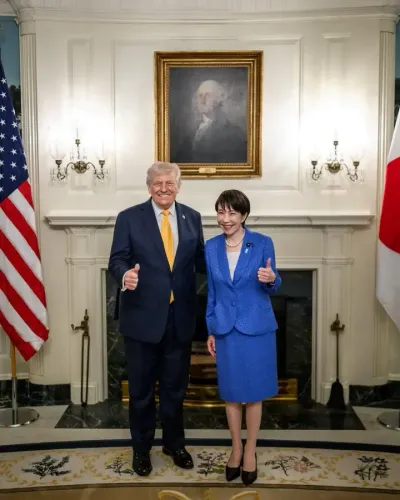
This comment stood out amidst a visit characterized by unusually cordial exchanges between the two leaders.
Trump consistently praised Takaichi, calling her a “remarkable woman” and stating they shared “an excellent relationship.” At a dinner later that night, he referred to her as “a fantastic woman” and expressed, “It’s a privilege to have you here at the White House.”
Takaichi reciprocated the personal rapport, asserting, “I am confident that Donald and I are the best partners in achieving our common goal,” and later added, “Japan is on the rise again.”
Nonetheless, the Pearl Harbor comment briefly disrupted the carefully curated tone of the meeting.
Trump’s broader message to Japan emphasized the need for allies to “step up” in matters that directly impact their interests, particularly concerning the Strait of Hormuz. “I look forward to Japan stepping up because that’s the nature of our relationship,” he stated. “Japan relies on the Strait for over 90 percent of its oil.”
Takaichi did not publicly address the Pearl Harbor comment during the meeting. On the topic of China, she maintained a measured stance, expressing that Japan has “always been open to dialogue with China” and hoped for a US-China relationship that would bolster “regional security” and “the global supply chain.”
Following World War II, the United States and Japan reconstructed their ties, forming one of the closest alliances of the post-war era. The Pearl Harbor incident remains a profoundly symbolic and sensitive historical reference, even as both nations now collaborate closely on defense, trade, and regional security.
Point of View
Where historical references can evoke strong emotions. While the overall atmosphere was positive, Trump's choice of words underscores the complexities of alliance politics and the importance of sensitivity in discussions between nations.
NationPress
23 Sept 2026
Frequently Asked Questions
What did Trump say about Pearl Harbor?
Trump referenced Pearl Harbor while discussing the secrecy around US military strikes on Iran, questioning why Japan did not inform him about the surprise attack.
How did Takaichi react to Trump's comments?
Takaichi appeared visibly startled, with her expression changing as she processed the unexpected reference to Pearl Harbor.
What was the overall tone of the meeting?
Despite the awkward moment, the meeting was largely characterized by friendly exchanges, with both leaders expressing mutual respect and camaraderie.
What message did Trump convey to Japan?
Trump urged Japan to 'step up' in international affairs, particularly regarding their oil supply through the Strait of Hormuz.
How do the US and Japan view their historical relationship?
The US and Japan have rebuilt their alliance since World War II, working closely on defense, trade, and regional security, despite the sensitive nature of historical events like Pearl Harbor.