How Are UAE and Egyptian Presidents Aligning on Gaza and Economic Cooperation?
Synopsis
In a crucial meeting in Abu Dhabi, UAE and Egyptian leaders emphasized the urgent need for peace in Gaza and discussed enhancing economic ties, highlighting the two-state solution as key to stability in the Middle East.
Key Takeaways
UAE and Egypt leaders advocate for peace in Gaza.
Emphasis on the "two-state solution" for lasting stability.
Discussion on enhancing economic ties between both nations.
Call for humanitarian aid to reach civilians without obstacles.
Support for the Palestinian National Committee's efforts in governance.
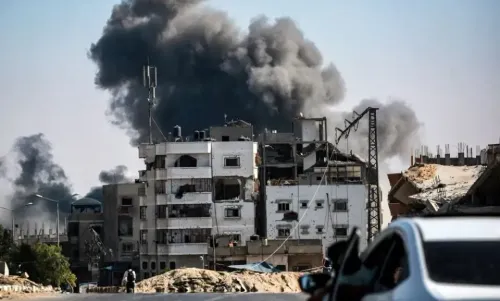
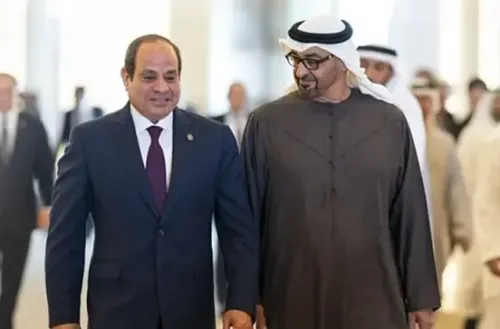
Abu Dhabi, Feb 9 (NationPress) The leaders of the United Arab Emirates (UAE) and Egypt convened on Monday to advocate for a definitive cessation of hostilities in Gaza, underscoring that the "two-state solution" is the sole avenue to enduring peace in the Middle East.
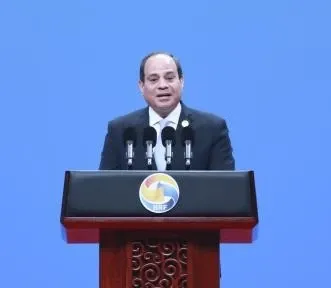
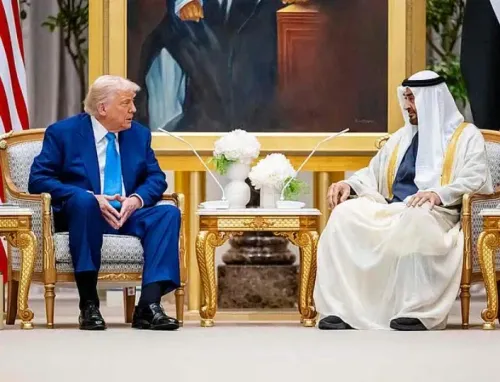
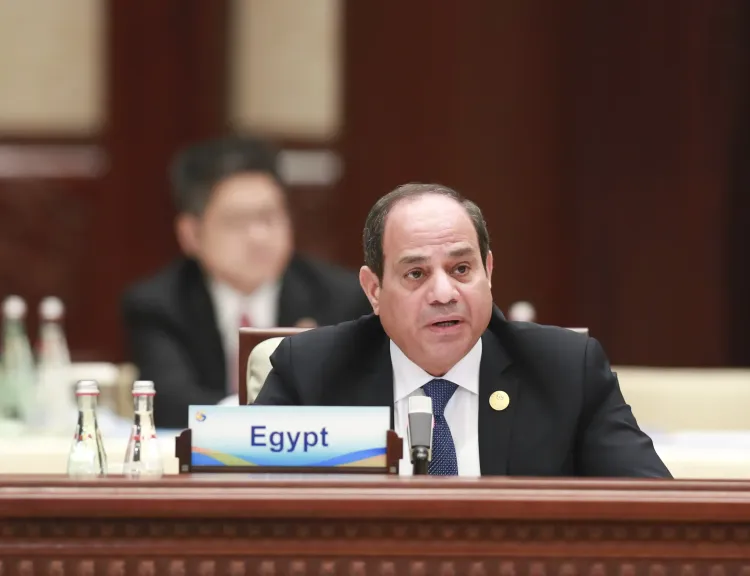
UAE President Sheikh Mohamed bin Zayed Al Nahyan and Egyptian President Abdel-Fattah al-Sisi gathered in Abu Dhabi amid escalating regional tensions. As reported by the UAE's state news agency WAM, the two dignitaries highlighted the pressing need for a sustainable ceasefire and the unobstructed delivery of humanitarian assistance to civilians in Gaza.
In a statement from the Egyptian presidency, the two leaders cautioned against further escalation, indicating that a broader conflict would have "repercussions for all" and asserted that regional stability hinges on maintaining the "unity and territorial integrity" of Middle Eastern nations, according to Xinhua.
They reiterated their commitment to employing "peaceful means" as the primary strategy for resolving the multifaceted crises in the region.
In addition to discussing the situation in Gaza, the leaders explored avenues to strengthen their economic relationship. Sheikh Mohamed guided al-Sisi on a tour of the Mohamed bin Zayed University of Artificial Intelligence, a pivotal institution in the UAE's ambition to establish itself as a global technology hub.
The UAE has played a crucial role in foreign investments in Egypt. In 2024, the UAE revealed a landmark 35 billion U.S. dollar agreement aimed at developing a significant segment of Egypt's Mediterranean coastline, a project that injected foreign currency and contributed to stabilizing the Egyptian pound.
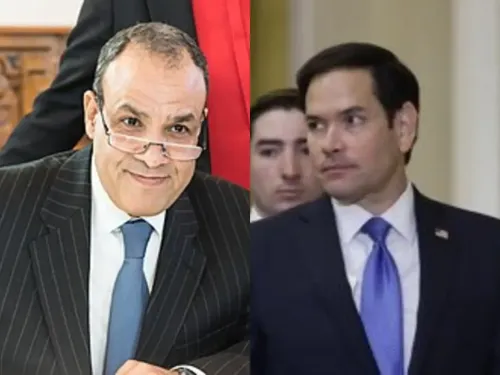
On Sunday, Egyptian Foreign Minister Badr Abdelatty advocated for the immediate deployment of an international stabilization force to oversee the ceasefire in the Gaza Strip.
Abdelatty made this call during a conversation with his Greek counterpart, George Gerapetritis, while discussing escalating regional tensions, as stated by the Egyptian Foreign Ministry.
He emphasized the urgent need to advance the second phase of the U.S.-proposed peace plan, which includes the deployment of the International Stabilization Force to Gaza, a plan endorsed by the UN Security Council last November.
He reaffirmed Egypt's backing for the newly established Palestinian technocratic National Committee for the Administration of Gaza, labeling it a vital transitional entity to address daily administrative and humanitarian challenges.
Formed in mid-January, this committee aims to facilitate the full return of the Palestinian Authority to governance in the area, he stressed.
The minister also highlighted the necessity of ensuring a continuous influx of humanitarian aid into Gaza and laying the foundations for early recovery and reconstruction.
The ongoing ceasefire, effective since October 10, initially focused on prisoner exchanges and aid distribution. The proposed subsequent phase anticipates a complete Israeli military withdrawal, the disarmament of Hamas, and the initiation of reconstruction under transitional governance.
Point of View
I recognize the vital role that diplomacy plays in resolving conflicts. The meeting between the UAE and Egyptian leaders is a significant step towards addressing the humanitarian crisis in Gaza and fostering economic cooperation, which is essential for regional stability. It is imperative that stakeholders prioritize peaceful resolutions and work towards a collaborative future.
NationPress
22 Sept 2026
Frequently Asked Questions
What was the main agenda of the UAE and Egypt meeting?
The primary focus was to advocate for a permanent cessation of hostilities in Gaza and to discuss enhancing economic ties between the two nations.
What solution do the leaders support for peace in the Middle East?
They emphasize the 'two-state solution' as the only viable path to lasting peace.
How has the UAE contributed to Egypt's economy?
The UAE has been a vital source of foreign investment, including a significant 35 billion U.S. dollar deal for developing Egypt's Mediterranean coast.
What humanitarian efforts are being discussed?
The leaders called for a lasting ceasefire to allow humanitarian aid to reach civilians in Gaza without hindrance.
What is the role of the Palestinian National Committee?
The committee aims to manage daily administrative and humanitarian needs in Gaza, paving the way for the Palestinian Authority's return to governance.