Ukraine EU membership opposition hits record 40% in Poland: CBOS poll
Synopsis
Polish public opposition to Ukraine joining the EU has more than doubled in two years — from 17% in 2023 to a record 40% in 2025, per CBOS. With a separate poll showing Poles also opposing more Ukrainian refugees for the first time ever, Warsaw's once-solid public backing for Kyiv is visibly fracturing, complicating Ukraine's already uncertain path to EU membership.
Key Takeaways
40 per cent of Polish respondents now oppose Ukraine's EU membership , a record high per CBOS — up from 17 per cent in 2023 .
Support for Ukraine joining the EU as soon as possible fell from 18 per cent to 9 per cent over the same period.
A separate CBOS poll (17 July) found 52 per cent of Poles oppose accepting more Ukrainian refugees — the first time opposition has outweighed support.
Ukraine received EU candidate status in June 2022 ; accession negotiations formally opened in June 2024 .
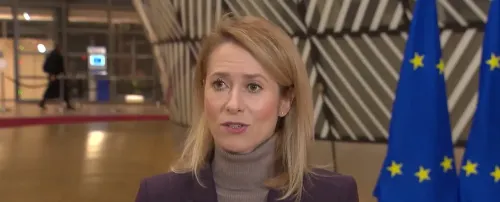
Kaja Kallas said EU member states are not ready to set a concrete membership date, citing the broader geopolitical picture.
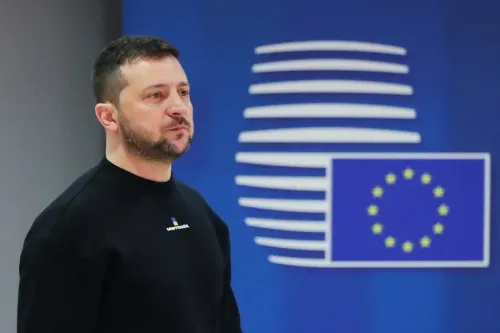
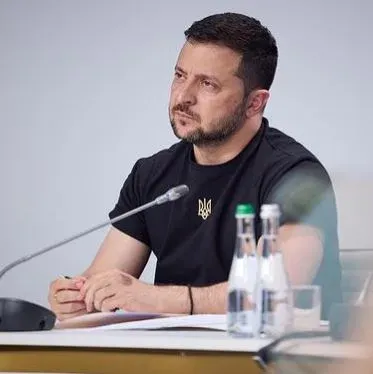
President Volodymyr Zelensky continues to push for a firm EU accession timeline.
Opposition to Ukraine joining the European Union (EU) has reached a record 40 per cent among Polish respondents, according to a survey released by Poland's Public Opinion Research Centre (CBOS) on 29 July. While supporters of Ukraine's accession still outnumber opponents, CBOS noted a “very large change unfavorable to Ukraine” compared with its previous survey conducted in 2023.
Key Findings of the CBOS Survey
Opposition to Ukraine's EU membership more than doubled — climbing from 17 per cent in 2023 to 40 per cent this year. At the same time, the share of Poles who favour Ukraine joining the EU as soon as possible fell sharply, from 18 per cent to just 9 per cent. The shift represents one of the most significant swings in Polish public opinion on the issue since the Russia-Ukraine conflict escalated in 2022.
Declining Support for Ukrainian Refugees
The cooling sentiment extends beyond EU membership. A separate CBOS poll released on 17 July found that 52 per cent of Polish respondents opposed accepting more Ukrainian refugees, against 42 per cent who were in favour — marking the first time opposition had outweighed support since the survey series began. This comes despite Poland having introduced special measures after 2022, granting eligible Ukrainians access to employment, public healthcare, and social benefits — among the most generous refugee frameworks in Europe at the time.
Where Ukraine's EU Accession Stands
Ukraine was granted EU candidate status in June 2022, and accession negotiations were formally launched at the first EU-Ukraine Intergovernmental Conference in June 2024. However, progress has been slow. Kaja Kallas, High Representative for Foreign Affairs and Security Policy and Vice-President of the European Commission, said earlier this year that EU member states are not ready to commit to a concrete membership date. “There’s a lot of work to be done,” she said at the 62nd Munich Security Conference in February, adding that “it’s always the geopolitical picture” that ultimately shapes such decisions.
Zelensky Pushes for a Timeline
Ukrainian President Volodymyr Zelensky has repeatedly called for a specific date for Ukraine to formally join the EU, a demand that has yet to receive a firm response from Brussels. The widening gap in Polish public opinion adds a new political dimension to an already complex accession process, particularly given Poland's historically close ties with Ukraine and its role as one of Kyiv's strongest advocates within the EU.
What This Means for Ukraine's EU Path
Poland is a significant voice within the EU, and a sustained shift in its public opinion could influence the political calculus of Polish leaders as they navigate both domestic pressures and European solidarity commitments. Notably, this is the first time the CBOS data has shown opposition crossing the 40 per cent threshold — a figure that, while still a minority, signals a material erosion of the broad public consensus that existed in the immediate aftermath of Russia's 2022 offensive. How Warsaw's government responds to this trend will be closely watched in both Brussels and Kyiv.
Point of View
Not merely a polling footnote. The doubling of opposition in two years tracks with a broader pattern across Central Europe: early wartime solidarity giving way to refugee fatigue and economic anxiety. What mainstream coverage often misses is the structural cause: Poland's generous post-2022 social access framework created real fiscal and labour-market pressures that were always likely to generate a political backlash. The risk for Brussels is that Polish opinion becomes a template — if Warsaw's public is shifting, quieter resentments in other frontline states may not be far behind. Zelensky's push for a firm accession date is politically understandable, but it may be running ahead of the public consent needed to sustain it.
NationPress
28 Oct 2026
Frequently Asked Questions
What does the CBOS poll say about Polish opinion on Ukraine's EU membership?
The CBOS survey shows that 40 per cent of Poles now oppose Ukraine joining the EU — a record high and more than double the 17 per cent recorded in 2023. Supporters of Ukraine's accession still outnumber opponents, but the gap has narrowed considerably.
Why has Polish support for Ukraine's EU membership declined?
CBOS described the shift as a 'very large change unfavorable to Ukraine,' though it did not specify a single cause. The decline coincides with growing opposition to accepting more Ukrainian refugees, suggesting that domestic pressures related to refugee integration and public services have contributed to the change in sentiment.
Where does Ukraine's EU accession process currently stand?
Ukraine was granted EU candidate status in June 2022 , and formal accession negotiations were launched at the EU-Ukraine Intergovernmental Conference in June 2024 . However, EU High Representative Kaja Kallas has said member states are not yet ready to commit to a specific membership date.
What has President Zelensky said about EU membership?
President Volodymyr Zelensky has repeatedly called for a concrete date for Ukraine's formal EU accession, but has not received a firm commitment from EU leadership, who cite ongoing reforms and geopolitical considerations.
What is the significance of Poland's shift in opinion?
Poland has been one of Ukraine's strongest supporters within the EU and introduced some of Europe's most generous measures for Ukrainian refugees after 2022. A sustained erosion of public backing in Poland could influence Warsaw's political positioning on Ukraine-related EU decisions, making this poll significant beyond its headline numbers.