Ukraine calls India 'global superpower', backs Modi's push to end war
Synopsis
Ukraine called India a 'global superpower' and endorsed PM Modi's peace call — but the real story is what Kyiv wants in return. EAM Jaishankar's first-ever dedicated bilateral visit to Ukraine signals New Delhi is walking both sides of the Russia-Ukraine divide, and Kyiv is betting that India's back-channel weight with Moscow could eventually matter at the negotiating table.
Key Takeaways
Ukrainian Foreign Minister Andrii Sybiha called India a 'global superpower' on 3 September during talks with EAM S.
Jaishankar in Kyiv .
This was the first-ever dedicated bilateral visit by an Indian External Affairs Minister to Ukraine.
Sybiha welcomed PM Modi's call to move from an 'endless war' to an 'end of the war', saying Ukraine 'stands ready for diplomacy.' Modi had made the original peace remark during a bilateral meeting with Russian President Vladimir Putin at the SCO Summit in Bishkek .
The two sides agreed to work towards convening the next session of the India-Ukraine Intergovernmental Commission .
Discussions covered Black Sea navigation , global food security, infrastructure, pharmaceuticals, and digitalisation.
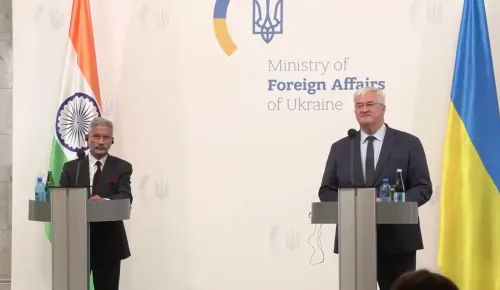
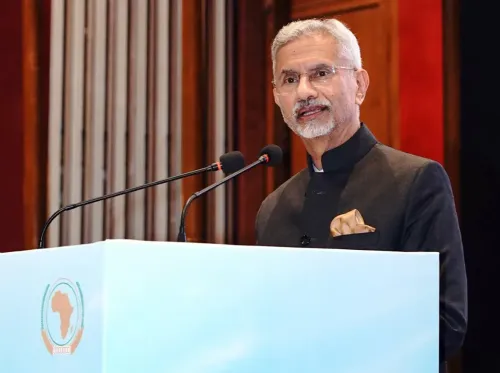
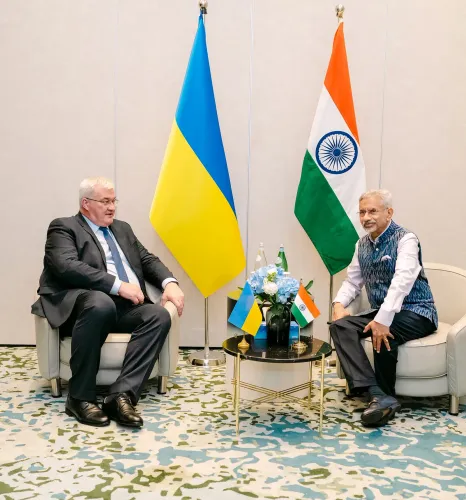
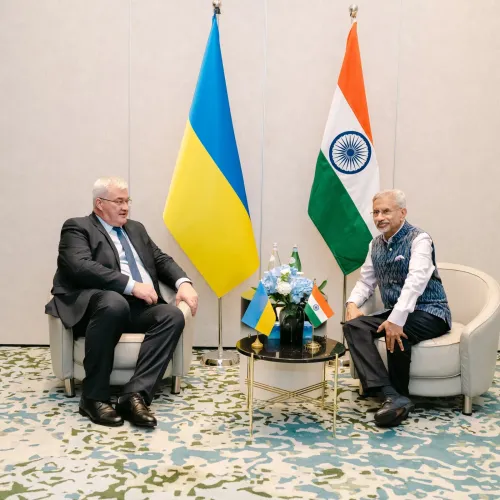
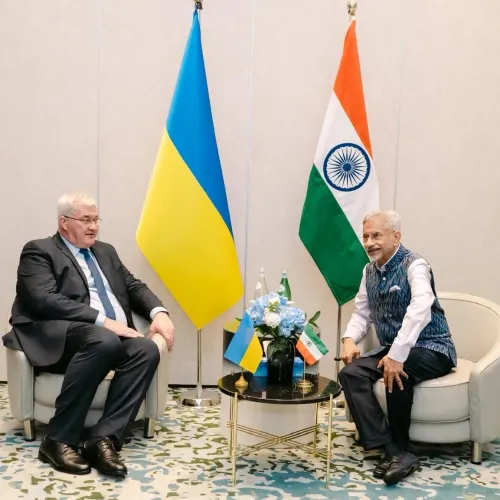
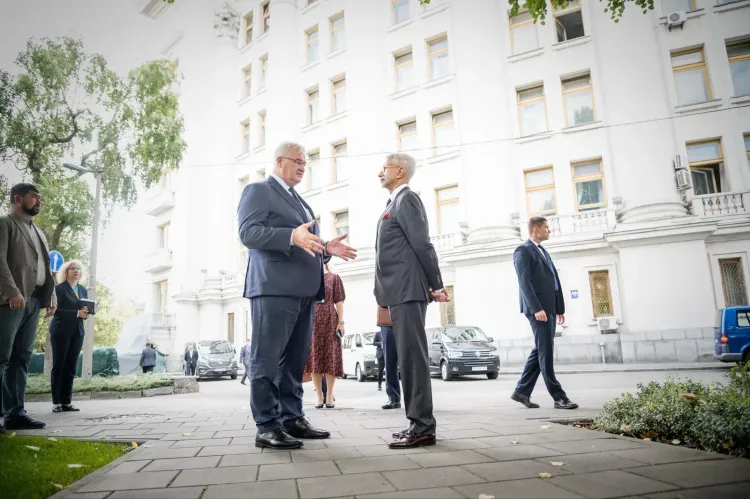
Ukrainian Foreign Minister Andrii Sybiha on Thursday, 3 September described India as a 'global superpower' and said Kyiv warmly welcomes Prime Minister Narendra Modi's recent call to shift from an endless war to an end of the war. The remarks came during Sybiha's meeting with External Affairs Minister (EAM) S. Jaishankar, who arrived in Kyiv on the first-ever dedicated bilateral visit by an Indian External Affairs Minister to Ukraine.
Historic Visit Amid Active Conflict
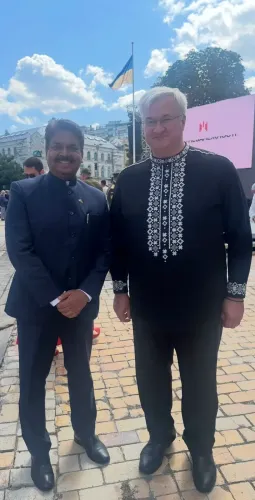
Sybiha acknowledged the significance of the moment, noting that the visit took place against the backdrop of intensifying Russian strikes on Ukrainian cities, port infrastructure, and civilian shipping. 'Our capital is constantly under attack, and I appreciate my colleague's brave visit,' Sybiha said in a post on X. The visit marks a diplomatic milestone in India-Ukraine bilateral ties, which have historically been limited in direct engagement at the foreign-ministerial level.
What Sybiha Said About India's Role
During the bilateral negotiations, the two ministers discussed the restoration of freedom of navigation in the Black Sea and the broader question of global food security — both issues in which India has a direct stake as one of the world's largest importers and exporters of agricultural commodities. Sybiha explicitly endorsed Modi's framing, stating: 'India is a global power, and we welcome Prime Minister Modi's call to move from an endless war towards an end to the war. Ukraine stands ready for diplomacy.'
The two sides also reviewed bilateral cooperation spanning infrastructure, pharmaceuticals, technological innovation, and digitalisation. They agreed to work towards convening the next session of the India-Ukraine Intergovernmental Commission to translate what Sybiha called 'great perspectives into great mutually beneficial projects.'
Modi's Original Call for Peace
The diplomatic backdrop traces to Monday, when PM Modi reiterated India's support for peace efforts during a bilateral meeting with Russian President Vladimir Putin on the sidelines of the Shanghai Cooperation Organisation (SCO) Summit in Bishkek. In his opening remarks at that meeting, Modi said: 'Every day spent in war pushes humanity backwards, while every step taken towards peace fills humanity with a new hope and enthusiasm. We must move from an endless war towards an end to the war. This is essential for the well-being of humanity.'
Modi noted that both leaders had previously discussed the Ukraine situation, and that Putin had briefed him in detail on all aspects of the conflict during their last meeting. India has consistently maintained that it backs all efforts towards achieving peace in Ukraine.
India's Balancing Act on the Global Stage
This comes amid sustained international scrutiny of New Delhi's position on the Russia-Ukraine conflict. India has refused to condemn Russia at the United Nations, continued purchasing discounted Russian oil, and maintained active diplomatic channels with Moscow — while simultaneously deepening engagement with Kyiv. EAM Jaishankar's visit to Ukraine is widely seen as a signal that India is attempting to position itself as a credible interlocutor on both sides of the conflict.
Notably, Ukraine's effusive language around India — 'global superpower', 'ready for diplomacy' — reflects Kyiv's strategic interest in drawing New Delhi closer to its peace framework, particularly ahead of any future negotiations where India's voice could carry weight with Moscow.
How India navigates the competing expectations of Kyiv and Moscow in the months ahead will be a key test of its much-stated doctrine of 'strategic autonomy.'
Point of View
For its part, is threading a needle: Jaishankar's Kyiv visit signals engagement without commitment, and Modi's 'end of the war' language is carefully non-attributive — it does not name an aggressor. What mainstream coverage underplays is the asymmetry: India gains strategic credibility from being courted by both sides, while neither Kyiv nor Moscow has yet extracted a concrete policy shift from New Delhi. The real test of India's self-styled mediator role will come when it is asked to choose a peace formula, not just endorse the concept of peace.
NationPress
3 Sept 2026
Frequently Asked Questions
Why did Ukraine's Foreign Minister call India a 'global superpower'?
Ukrainian Foreign Minister Andrii Sybiha used the term during his meeting with EAM S. Jaishankar in Kyiv on 3 September, endorsing PM Modi's call to move from an endless war to an end of the war. The remark reflects Kyiv's strategic interest in drawing India — which maintains active ties with Moscow — closer to its diplomatic framework.
What is the significance of EAM Jaishankar's visit to Ukraine?
It is the first-ever dedicated bilateral visit by an Indian External Affairs Minister to Ukraine, marking a milestone in India-Ukraine diplomatic relations. The visit signals New Delhi's intent to engage directly with Kyiv even as it maintains ties with Moscow.
What did PM Modi say about the Russia-Ukraine war?
PM Modi, speaking at a bilateral meeting with Russian President Vladimir Putin at the SCO Summit in Bishkek, said: 'We must move from an endless war towards an end to the war. This is essential for the well-being of humanity.' India has consistently stated it supports all efforts towards peace in Ukraine.
What issues did Jaishankar and Sybiha discuss in Kyiv?
The two ministers discussed freedom of navigation in the Black Sea, global food security, and bilateral cooperation in infrastructure, pharmaceuticals, technological innovation, and digitalisation. They also agreed to work towards convening the next India-Ukraine Intergovernmental Commission meeting.
What is India's official position on the Russia-Ukraine conflict?
India has not condemned Russia at the United Nations and has continued purchasing Russian oil, while simultaneously maintaining diplomatic engagement with Ukraine. New Delhi describes its stance as supporting all peace efforts and exercising 'strategic autonomy' — positioning itself as a potential interlocutor rather than aligning with either side.