Guterres sees Hormuz navigation, Iran nuclear deal opening after Cairo talks
Synopsis
UN Secretary-General Guterres declared an opening for peaceful understandings on Hormuz navigation and Iran's nuclear programme — just as Iran's foreign minister warned the strait's management 'will not be the same as it was.' The simultaneous signals of diplomacy and defiance define the high-stakes tension at the heart of Gulf geopolitics right now.
Key Takeaways
UN Secretary-General António Guterres met Egyptian President Abdel Fattah El-Sisi in Cairo on 26 October to discuss Gulf tensions, the Palestinian cause, and UN reform.
Guterres said there is an opportunity to reach understandings on Strait of Hormuz navigation and resolve Iran's nuclear programme through peaceful means.
He called the Palestinian cause the central issue in the Middle East and urged global protection of Palestinians in Gaza and the West Bank .
Iranian Foreign Minister Seyed Abbas Araghchi warned on Sunday that Hormuz management 'will not be the same as it was in the past,' citing strategic changes after the US-Israeli war against Iran .
Both Cairo sides backed reform of the UN Security Council for greater representation and effectiveness.
No formal negotiating timeline has been announced; Iran also signalled readiness to cooperate with regional countries.
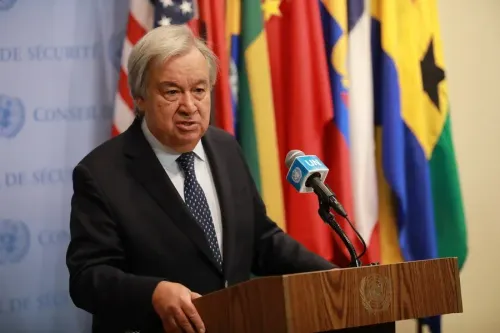
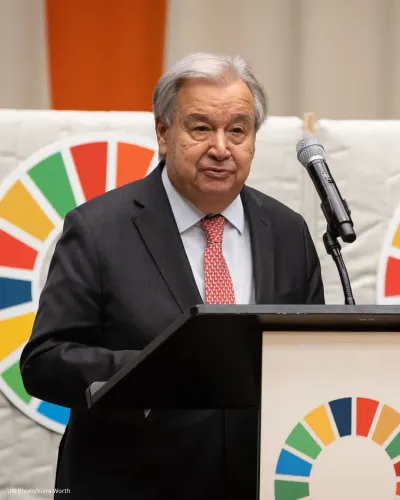
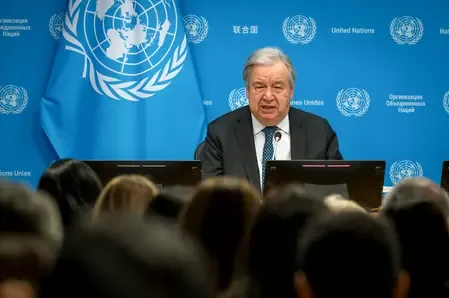
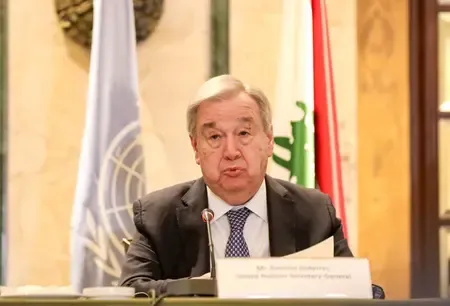
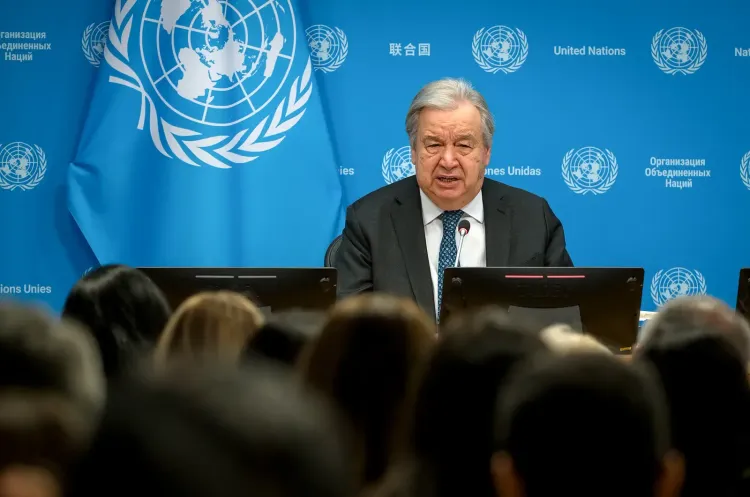
UN Secretary-General António Guterres said on Monday, 26 October that a window exists to reach understandings on freedom of navigation through the Strait of Hormuz and to resolve Iran's nuclear programme through peaceful means. Guterres made the remarks during a meeting with Egyptian President Abdel Fattah El-Sisi in Cairo, where the two leaders reviewed escalating Gulf tensions, the Palestinian cause, and reform of the United Nations.
Key Developments from the Cairo Meeting
According to a statement from the Egyptian presidency, Guterres emphasised that a lasting and sustainable peace in the region cannot be achieved without a just settlement of the Palestinian cause, describing it as the central issue in the Middle East until a final resolution is reached. He expressed deep concern over developments in the West Bank, calling for immediate measures to halt violations against Palestinians and urging the international community to fulfil its responsibilities to protect Palestinians in both Gaza and the West Bank.
Both sides affirmed the need to advance reform of the UN system, including the Security Council, in a manner that enhances representation and fairness and strengthens the body's capacity to respond to contemporary global challenges.
Iran's Warning Over Hormuz
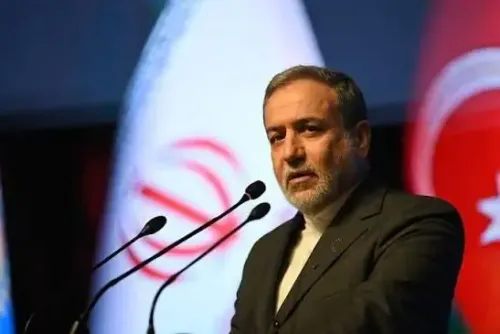
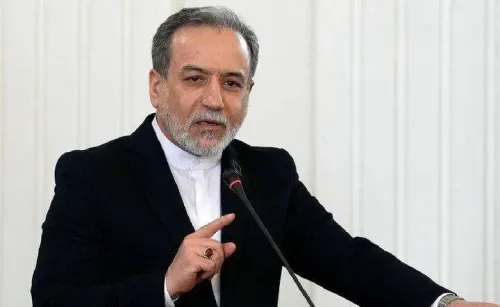
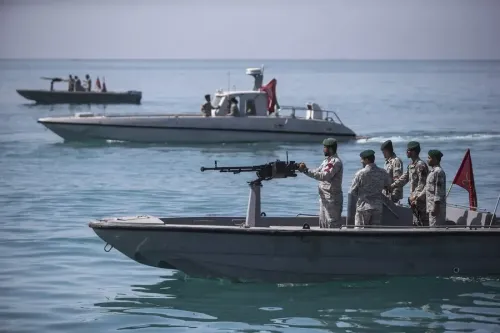
Iranian Foreign Minister Seyed Abbas Araghchi on Sunday signalled a hardened posture on the strategic waterway, stating that the administration of the Strait of Hormuz and routes through it 'will not be the same as they were in the past.' Speaking at a ceremony in Tehran, Araghchi said 'fundamental and strategic' changes have taken place in West Asia following what he described as the US-Israeli war against Iran.
'We must accept that new realities have taken hold. The routes in the Strait of Hormuz will not be the same as they once were, and the strait's management will also not be as it was in the past,' Araghchi said. 'There are matters on which we have held negotiations, and these negotiations will continue.'
The minister insisted that regional security must be ensured by regional countries themselves, without reliance on foreign forces, whom he accused of entering the region to 'safeguard their own interests and protect Israel' — adding that their continued presence would generate 'nothing but insecurity for the entire region.' He also said Iran was ready to cooperate with all regional countries.
Why the Strait of Hormuz Matters
The Strait of Hormuz is the world's single most critical oil chokepoint, with roughly 20% of global petroleum liquids transiting it annually. Any disruption to navigation carries immediate consequences for global energy markets, including India, which sources a significant portion of its crude imports from the Gulf. Guterres's framing of an 'opportunity' for understandings stands in direct tension with Araghchi's assertive posture — a contradiction that diplomats will need to bridge for any talks to progress.
What Comes Next
No formal negotiating timeline has been announced. Guterres's remarks signal UN willingness to facilitate dialogue, but the gap between Iran's stated 'new realities' and international expectations of open navigation remains wide. Observers will watch whether any back-channel engagement materialises ahead of the next round of Iran nuclear discussions, which have been stalled for months.
Point of View
It is the entire problem. For years, Western diplomatic strategy has assumed Iran's Hormuz leverage is a bargaining chip to be traded away; Araghchi's remarks suggest Tehran now sees it as a structural shift, not a negotiating position. Any meaningful dialogue will require bridging that conceptual divide first. For India, which depends heavily on Gulf crude, the stakes are not abstract: a prolonged Hormuz standoff would hit energy import bills well before any diplomatic resolution takes effect.
NationPress
27 Oct 2026
Frequently Asked Questions
What did UN Secretary-General Guterres say about the Strait of Hormuz?
Guterres said on 26 October that there is an opportunity to reach understandings to ensure freedom of navigation through the Strait of Hormuz and to resolve Iran's nuclear programme through peaceful means. He made the remarks during a meeting with Egyptian President El-Sisi in Cairo.
What did Iran's Foreign Minister say about the Strait of Hormuz?
Iranian Foreign Minister Seyed Abbas Araghchi said on Sunday that the administration of the Strait of Hormuz and its routes 'will not be the same as they were in the past,' citing fundamental and strategic changes in West Asia following what he called the US-Israeli war against Iran. He added that negotiations on related matters would continue.
Why did Guterres meet Egyptian President El-Sisi in Cairo?
The two leaders met to discuss escalating Gulf tensions, the Palestinian cause, and reform of the United Nations system including the Security Council. The Egyptian presidency confirmed the meeting and the topics covered.
What is Iran's position on regional security?
Iran's Foreign Minister Araghchi stressed that regional security must be ensured by regional countries themselves, without reliance on foreign forces. He accused outside powers of entering the region to protect Israel and said their continued presence generates insecurity; he also said Iran was ready to cooperate with all regional countries.
What is the significance of the Strait of Hormuz for global energy?
The Strait of Hormuz is one of the world's most critical oil transit chokepoints, with approximately 20% of global petroleum liquids passing through it annually. Any disruption to navigation there would have immediate consequences for global energy markets, including major importers like India.