UNSC reform: UN chief warns of consequences of prolonged inaction
Synopsis
The UN Secretary-General is warning member states that the cost of inaction on Security Council reform is real — yet his hands are tied. With the IGN process deadlocked for nearly two decades, Africa still shut out of permanent membership, and India pushing for a structured negotiating text, the gap between the urgency of reform and the paralysis of multilateral process has rarely looked wider.
Key Takeaways
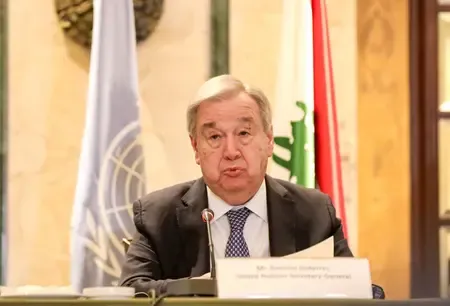
UN Secretary-General António Guterres has warned member states of consequences of inaction on UNSC reform , conveyed by Deputy Spokesperson Farhan Haq on 5 October 2026 .
UN leadership can only encourage member states to act — actual Charter amendments require a vote by member states themselves.
The Inter-Governmental Negotiations (IGN) process on UNSC reform has been deadlocked for nearly two decades .
Africa has no permanent representation on the Security Council despite being the largest regional grouping in the UN.
India and allies are pushing for adoption of a formal negotiating text to prevent talks from restarting at each new General Assembly session.
Countries including Italy and Pakistan have allegedly used procedural mechanisms to slow reform progress, according to reform supporters.
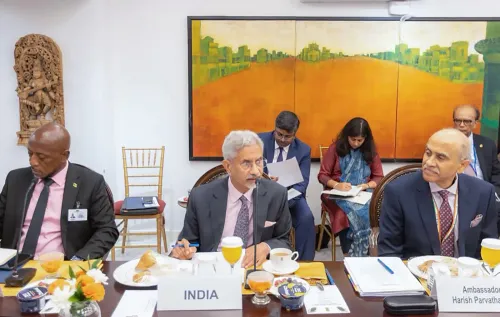
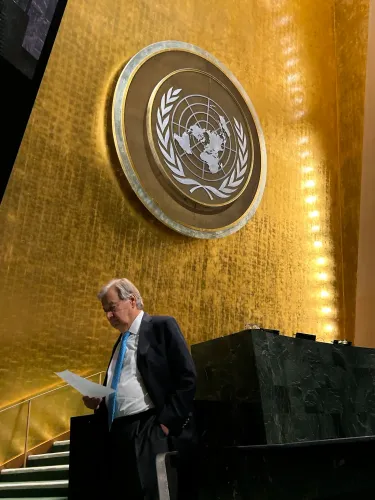
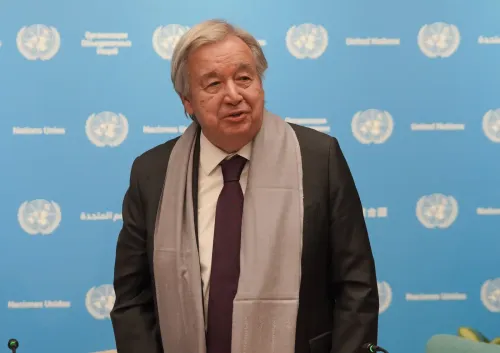
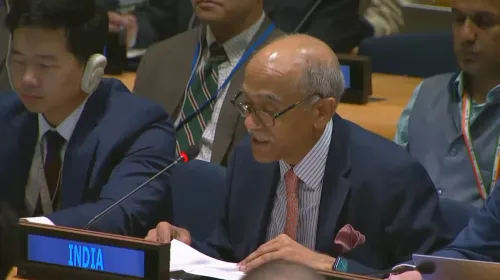
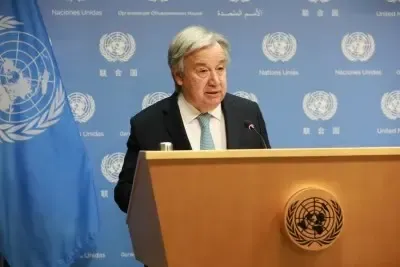
United Nations Secretary-General António Guterres has cautioned member states about the serious consequences of continued inaction on United Nations Security Council (UNSC) reform, as the body's restructuring process remains mired in a deadlock of nearly two decades. The warning was conveyed by UN Deputy Spokesperson Farhan Haq on Monday, 5 October 2026, in response to remarks made by External Affairs Minister S. Jaishankar that the Council must reform to remain relevant.
What the UN Leadership Said
Deputy Spokesperson Haq acknowledged that any reform requiring amendments to the UN Charter can only be undertaken by member states — not unilaterally by the Secretary-General. He clarified that the UN leadership's role is limited to encouraging countries to move forward and alerting them to the risks of inaction.
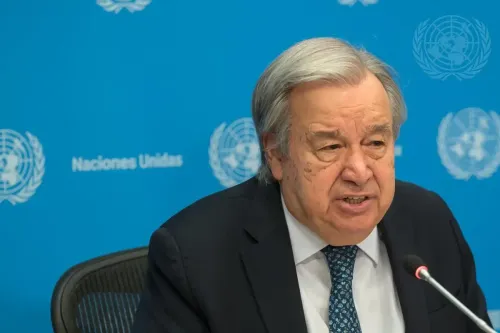
Haq noted that Guterres has consistently argued that as the United Nations has grown, the Security Council must also expand to become more representative of its wider membership. Guterres has also, repeatedly, called for African nations to be included among the Council's permanent members.
Why Reform Is Overdue
The current architecture of the UN Security Council reflects geopolitical realities that crystallised after World War II, when the victorious powers shaped the organisation and retained permanent seats with veto powers. Since then, UN membership has nearly quadrupled from its founding in 1945 — a point Jaishankar explicitly raised during his remarks.
Critics argue that this framework has failed to reflect contemporary global realities, leaving out emerging powers with vast populations and significant economic weight. Notably, Africa — which constitutes the largest regional grouping within the UN and is the focus of numerous UN peacekeeping operations — has no permanent representation on the Council, a glaring structural gap that reform advocates have long highlighted.
The IGN Deadlock
The Inter-Governmental Negotiations (IGN) process on Security Council reform has remained deadlocked for nearly two decades. Supporters of reform allege that a small group of countries — including Italy and Pakistan — have used procedural mechanisms to deliberately slow progress in the negotiations.
This comes amid renewed urgency: during the high-level segment of the UN General Assembly last month, numerous world leaders renewed calls for immediate UNSC reform. The chorus of voices pressing for change has grown louder, even as the machinery of multilateral consensus remains stuck.
India's Push for a Formal Text
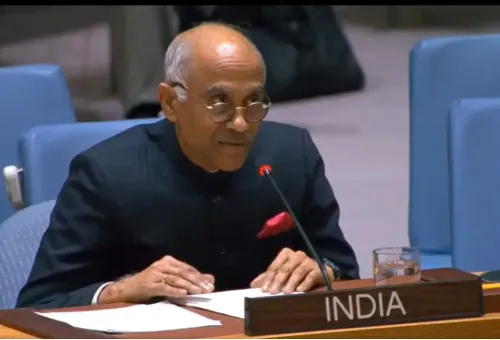
India and several allied nations have called for the adoption of a formal negotiating text that would define the agenda, record progress in discussions, and allow negotiations to advance in a structured manner. Under the current arrangement, talks effectively restart with each new General Assembly session, erasing whatever incremental progress has been made — a procedural design that critics say serves the interests of those opposed to reform.
Responsibility for any eventual breakthrough, Haq stressed, rests with member states, particularly through the General Assembly and the Security Council itself. As calls for reform intensify from New Delhi to Nairobi, the question is no longer whether the Council needs to change, but whether member states can muster the political will to act before the deadlock hardens further.
Point of View
But only member states can act, and the IGN process has been weaponised by a handful of countries to ensure the status quo persists. What mainstream coverage underplays is the structural absurdity: Africa, with 54 of the UN's 193 member states and the largest share of active peacekeeping theatres, remains locked out of permanent membership, while veto-wielding powers from 1945 face no accountability for that exclusion. India's push for a formal negotiating text is strategically sound, but it requires a critical mass of member states willing to confront the procedural obstruction head-on — something that has not materialised in two decades.
NationPress
6 Oct 2026
Frequently Asked Questions
What has the UN Secretary-General said about UNSC reform?
UN Secretary-General António Guterres has warned member states about the consequences of continued inaction on Security Council reform, while consistently calling for the Council to expand and become more representative. His position was reiterated by Deputy Spokesperson Farhan Haq on 5 October 2026.
Why has UNSC reform been stalled for so long?
The Inter-Governmental Negotiations (IGN) process on UNSC reform has been deadlocked for nearly two decades. Reform supporters allege that countries including Italy and Pakistan have used procedural mechanisms to slow progress, while any amendment to the UN Charter requires consensus among member states, making breakthroughs exceptionally difficult.
What is India's position on UNSC reform?
India has called for the adoption of a formal negotiating text that would define the agenda and record progress, preventing talks from restarting at each new General Assembly session. India is seeking a structured path toward reform, which includes a permanent seat for itself and other emerging powers.
Why is Africa's exclusion from permanent UNSC membership significant?
Africa has the largest regional grouping within the United Nations and is the focus of numerous UN peacekeeping operations, yet it has no permanent representation on the Security Council. Guterres has repeatedly emphasised the need for African nations to be included among permanent members.
Who has the authority to reform the UN Security Council?
Only UN member states have the authority to reform the Security Council, as any changes require amendments to the UN Charter. The Secretary-General's role is advisory — limited to encouraging member states and warning of the consequences of inaction.