UN chief hopes Ukraine-Russia talks resume after US envoy visits
Synopsis
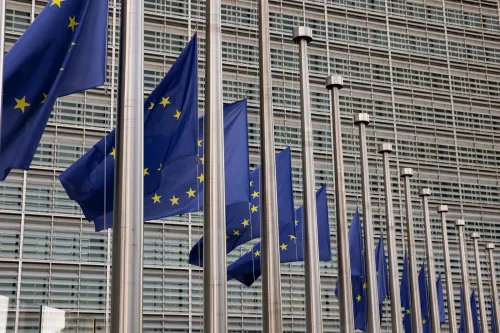
The UN is cautiously hopeful — but Europe is sidelined. While Guterres welcomes US diplomatic shuttling between Moscow and Kyiv, Slovakia's foreign minister has bluntly warned that the EU is 'simply paying all the costs' without a seat at the negotiating table. With over $226 billion committed and dwindling diplomatic leverage, the bloc's role in any eventual peace deal is an open and uncomfortable question.
Key Takeaways
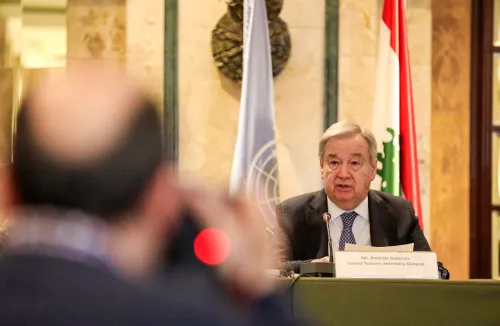
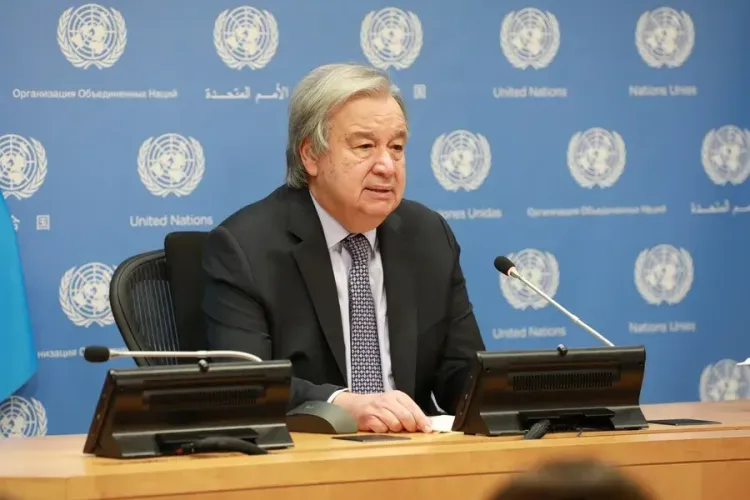
UN Secretary-General Antonio Guterres expressed hope on Tuesday that recent US diplomatic efforts will lead to a resumption of Ukraine-Russia talks.
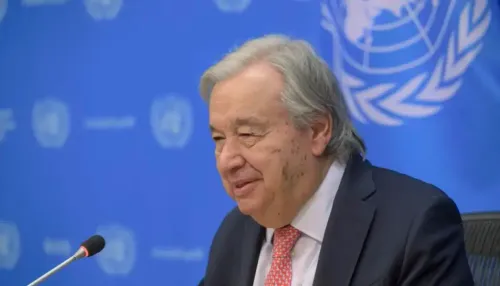
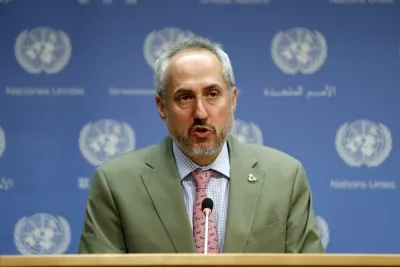
Spokesperson Stephane Dujarric said Guterres is calling for an 'immediate, full and unconditional ceasefire' leading to a 'just, comprehensive and lasting peace.' Guterres also expressed deep concern over continuing attacks on civilians and civilian infrastructure in both Ukraine and Russia.
The EU and its member states have provided over 226 billion US dollars in assistance to Ukraine since the war began, according to the European External Action Service .
Slovakia , Hungary , and the Czech Republic declined to participate in guarantees for a 90 billion euro loan to Ukraine; Poland agreed to do so.
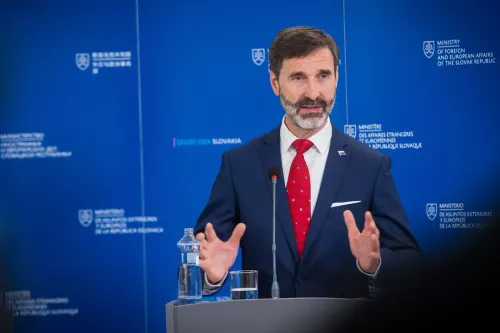
Slovak Minister Juraj Blanar warned that Europe currently lacks 'a seat at the table' in peace negotiations despite its financial contributions.
UN Secretary-General Antonio Guterres has expressed hope that recent diplomatic activity — including visits by senior US envoys to both Moscow and Kyiv — will lead to the resumption of direct talks between Ukraine and Russia, his spokesperson said on Tuesday. The statement signals cautious optimism at the United Nations even as the conflict continues to exact a heavy toll on civilians.
What the UN Said
Spokesperson Stephane Dujarric told reporters at a daily press briefing that Guterres is 'encouraged by recent diplomatic efforts, including the visits of senior US envoys to Moscow and Kyiv.' Dujarric conveyed the Secretary-General's position in full: 'The secretary-general hopes that the latest initiatives lead to a resumption of talks between Ukraine and the Russian Federation, paving the way for an immediate, full and unconditional ceasefire, leading to a just, comprehensive and lasting peace in line with international law, including the Charter of the United Nations and relevant resolutions of the United Nations. The United Nations stands ready to support all meaningful efforts to that end.'
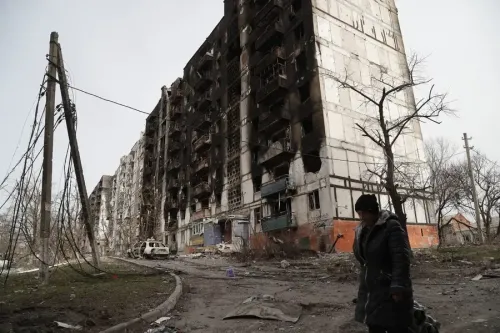
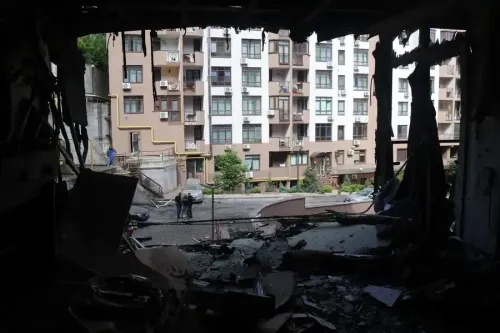
At the same time, Guterres reportedly remains 'deeply concerned' by continuing attacks on civilians and civilian infrastructure in both Ukraine and Russia, according to Dujarric. The Secretary-General has called for an immediate end to such strikes and urged both sides to create conditions conducive to sustained diplomatic engagement.
Europe's Diminishing Role at the Table
Slovak Foreign and European Affairs Minister Juraj Blanar, speaking in a separate interview, argued that European Union (EU) leaders should have played a far more active role in seeking a diplomatic resolution to the conflict. Blanar said the United States has assumed a significantly larger role in the peace process, while Europe has largely confined itself to financial support.
'At present, we basically don't have a seat at the table. We are simply paying all the costs associated with it,' Blanar said. According to data released by the European External Action Service, the EU and its member states have collectively made available more than 226 billion US dollars in financial, military, humanitarian, and refugee assistance to Ukraine since the war began — a figure that underscores the bloc's financial exposure even as its diplomatic leverage appears limited.
Visegrad Four: Shared Concerns, Diverging Positions
Blanar indicated that Slovakia could find common ground with partners in the Visegrad Four (V4) — comprising the Czech Republic, Hungary, Poland, and Slovakia — on the need for a more active EU role in the peace process, even though the four nations hold differing views on how a ceasefire should be achieved.
Notably, Slovakia, Hungary, and the Czech Republic have said they will not participate in guarantees for a 90 billion euro (approximately 104.5 billion US dollars) loan to Ukraine, while Poland has opted in. 'Despite having different views, we are still able to discuss these issues together,' Blanar said, suggesting that intra-V4 dialogue remains intact despite the fault lines.
Context and What Comes Next
This comes amid a broader pattern of diplomatic signalling that has intensified in recent weeks, with Washington emerging as the primary broker in ceasefire discussions. The UN's cautious optimism reflects a wider international desire to de-escalate, but the gap between diplomatic statements and verifiable progress on the ground remains wide. All eyes are now on whether the US envoy visits translate into a formal resumption of negotiations — something that has eluded international mediators for well over a year.
Point of View
Leaving the EU — which has spent over $226 billion on the conflict — without meaningful diplomatic agency. Blanar's blunt admission that Europe is 'simply paying the costs' is not just a Slovak grievance; it reflects a broader credibility deficit for Brussels in high-stakes geopolitics. If a ceasefire does materialise, the terms will almost certainly be shaped in Washington, not Geneva or Brussels — a precedent with long consequences for the post-war European security order.
NationPress
24 Oct 2026
Frequently Asked Questions
What did the UN say about Ukraine-Russia peace talks?
UN Secretary-General Antonio Guterres expressed hope that recent US diplomatic efforts — including envoy visits to Moscow and Kyiv — will lead to a resumption of direct Ukraine-Russia talks. His spokesperson Stephane Dujarric said the UN is calling for an immediate, full, and unconditional ceasefire leading to a lasting peace in line with international law.
Why is the UN encouraged by recent diplomatic activity?
The UN cited visits by senior US envoys to both Moscow and Kyiv as a positive signal. Guterres sees these visits as potential catalysts for restarting formal negotiations between Ukraine and Russia, which have been stalled for an extended period.
What is Europe's role in the Ukraine peace process?
Europe's diplomatic role has diminished significantly, according to Slovak Foreign Minister Juraj Blanar, who said the EU currently lacks 'a seat at the table.' The EU and its member states have provided over $226 billion in financial, military, humanitarian, and refugee assistance to Ukraine, but the US has taken the lead in active peace diplomacy.
What is the Visegrad Four's position on the Ukraine conflict?
The Visegrad Four — Czech Republic, Hungary, Poland, and Slovakia — share a desire for a more active EU role in the peace process but differ on specifics. Slovakia, Hungary, and the Czech Republic declined to guarantee a 90 billion euro loan to Ukraine, while Poland agreed to participate.
What is the UN's position on attacks on civilians in Ukraine and Russia?
Secretary-General Guterres is reportedly deeply concerned about continuing attacks on civilians and civilian infrastructure in both Ukraine and Russia. He has called for their immediate end and urged both sides to create conditions that allow diplomatic efforts to continue.