Bangladesh measles outbreak: UNICEF warned Yunus govt 10 times, 481 children dead
Synopsis
UNICEF sent five to six letters and held 10 meetings warning Bangladesh's Yunus-led interim government of a measles vaccine crisis — and was ignored. The result: 481 children dead, nearly 66,000 cases recorded since March 2026. The trigger wasn't a lack of funds but a procurement decision that split purchases away from UNICEF, causing fatal delays.
Key Takeaways
UNICEF sent five to six letters and held 10 meetings warning Bangladesh's Yunus-led interim government of measles vaccine shortages from 2024 onwards .
481 children have died from measles and measles-like symptoms since 15 March 2026 ; nearly 66,000 cases have been recorded.
The Yunus government changed vaccine procurement from a direct UNICEF method to a split open-tender process, causing critical delays — despite adequate budget funding.
UNICEF's Rana Flowers confirmed the agency will provide evidence to support the BNP government's formal investigation into the outbreak.
Health Minister Sakhawat Hossain said the BNP government inherited zero doses of measles vaccine when Tarique Rahman took office as Prime Minister.
Protesters in Dhaka have called for the trial of former Chief Advisor Yunus and health advisor Nurjahan Begum over the deaths.
UNICEF has revealed it repeatedly warned Bangladesh's former interim government, led by Muhammad Yunus, about a looming measles vaccine shortage — through at least five to six written letters and 10 separate meetings with health authorities — before the country's current devastating outbreak claimed 481 children's lives since 15 March 2026. The UN agency's disclosure has intensified scrutiny of the Yunus administration's vaccine procurement decisions.
UNICEF's Repeated Warnings
Addressing a press briefing in Dhaka, Rana Flowers, UNICEF Representative to Bangladesh, said the agency began sounding the alarm as far back as 2024. 'From 2024, we were warning the government that the shortage of vaccines could lead to an outbreak. From 2024 to 2025 into 2026, we sent letters, and we had 10 different meetings signalling this was a problem and that orders for vaccines needed to be given. They could not,' Flowers was quoted as saying by The Daily Star, Bangladesh's leading English-language newspaper.
According to Flowers, Ted Chaiban, Deputy Executive Director of UNICEF, personally raised the vaccine shortage concern with Bangladesh's foreign ministry during his visit to the country in August 2025 — underscoring the seriousness with which the UN agency viewed the impending crisis.
A Procurement Decision That Caused Delays
For years, Bangladesh procured measles vaccines through UNICEF using a direct procurement method. However, the Yunus-led interim government last year chose to split purchases between UNICEF and an open tender process, a change that reportedly caused significant delays in vaccine delivery.
Flowers was unequivocal that the failure was not a funding problem. 'The failure to order vaccines was not the result of no money in the health ministry. The funding was provided by the finance ministry. The funding was in the budget… It was the decision around how to procure that had created a delay. And that will be the subject of an investigation, which I welcome,' she said. UNICEF has indicated it will provide evidence to support the investigation launched by the current government.
Scale of the Outbreak
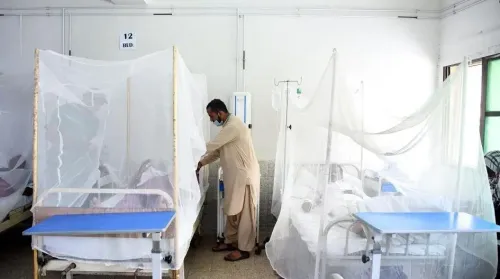
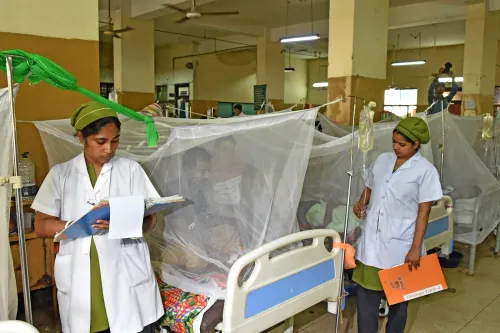
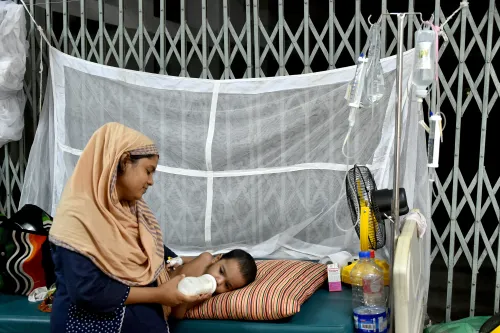
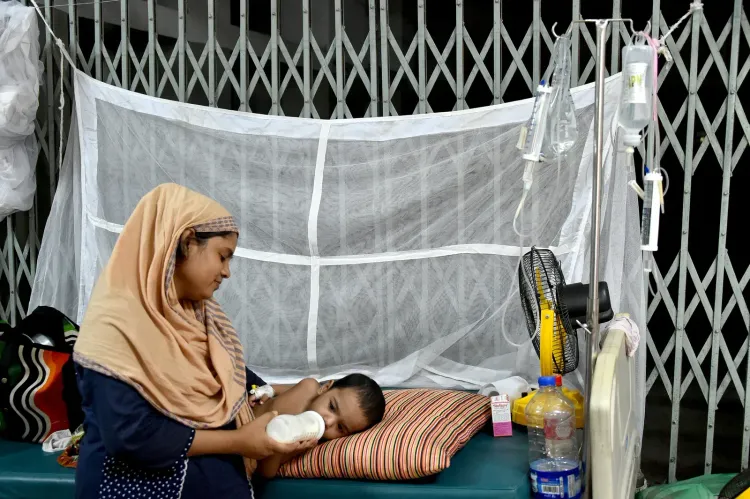
The numbers are stark. According to reports, nearly 66,000 cases of measles and measles-like symptoms — predominantly in children — have been recorded since 15 March 2026, with 481 deaths confirmed. Poor vaccination coverage has been identified as a primary driver of the outbreak's spread.
'It has been a serious measles outbreak in this country. We now have over 50,000 cases of measles. That is an unconfirmed number… But definitely 50,000 is a large number in anyone's book, and it, for me, is heartbreaking,' Flowers said.
What the Current Government Says
Bangladesh's Health Minister Sakhawat Hossain stated on Sunday that the Bangladesh Nationalist Party (BNP) government inherited an acute vaccine shortage — with not a single dose of measles vaccine in stock — when Tarique Rahman assumed office as Prime Minister earlier this year. The BNP government has since launched a formal investigation into the outbreak and the procurement failures that preceded it.
Public Anger and Calls for Accountability
Civil society groups have begun mobilising. Last week, protesters under the banner of 'Socheton Nagorik Samaj' reportedly formed a human chain in Dhaka's Dhanmondi 27 area, demanding the trial of former Chief Advisor Yunus and his health advisor Nurjahan Begum over measles-related deaths, and calling for compensation for victims' families.
As the investigation proceeds and UNICEF prepares to submit evidence, the outcome could set a significant precedent for accountability over public health governance failures in Bangladesh.
Point of View
But because it documents a pattern: repeated, escalating warnings — letters, meetings, a deputy executive director's personal intervention — that were structurally overridden by a procurement policy change. The shift to open tendering may have had a rationale, but executing it without a vaccine buffer stock was a foreseeable, preventable failure. With 481 children dead and an investigation underway, Bangladesh now faces a hard question: when a UN agency warns a government 10 times and is ignored, who is accountable — and what institutional mechanism failed to force a course correction before the outbreak began?
NationPress
24 Sept 2026
Frequently Asked Questions
How many times did UNICEF warn Bangladesh about the measles vaccine shortage?
UNICEF sent five to six written letters and held 10 separate meetings with Bangladesh's health authorities between 2024 and 2026 to warn of an impending vaccine shortage. Despite these repeated warnings, the Yunus-led interim government did not place adequate vaccine orders in time.
How severe is the measles outbreak in Bangladesh?
As of May 2026, nearly 66,000 cases of measles and measles-like symptoms have been recorded in Bangladesh since 15 March 2026, with 481 children confirmed dead. Poor vaccination coverage has been identified as a key factor driving the outbreak's scale.
Why was there a measles vaccine shortage in Bangladesh?
According to UNICEF's Rana Flowers, the shortage was caused by a procurement decision — not a lack of funds. The Yunus-led interim government changed from a direct procurement method through UNICEF to a split process involving open tendering, which caused significant delays in vaccine delivery.
What is the current Bangladesh government doing about the outbreak?
The BNP government, led by Prime Minister Tarique Rahman, has launched a formal investigation into the outbreak and the procurement failures that preceded it. UNICEF has said it will provide evidence to support this investigation.
Who is being held responsible for the measles deaths in Bangladesh?
Civil society protesters in Dhaka have called for the trial of former interim government Chief Advisor Muhammad Yunus and his health advisor Nurjahan Begum over the measles-related deaths. A formal investigation has been launched by the current BNP government, with UNICEF expected to submit supporting evidence.