Bangladesh measles outbreak: Death toll rises to 488 as 7 more children die
Synopsis
Bangladesh's measles death toll has hit 488 — and UNICEF has now revealed it sent five to six formal letters and held 10 meetings warning the previous government about vaccine shortages that could cause exactly this crisis. The outbreak was, by UNICEF's own account, preventable. The current BNP government has launched an investigation, and UNICEF says it will provide evidence.
Key Takeaways
7 more children died from measles-like symptoms in Bangladesh in 24 hours ending 8 am, Thursday , raising the total death toll since 15 March to 488 .
Of cumulative deaths, 405 are suspected and 83 are laboratory-confirmed measles fatalities.
Total suspected infections stand at 59,279 ; confirmed cases at 8,275 ; 46,407 patients hospitalised since mid-March.
Chittagong reported the highest number of fresh deaths in the latest 24-hour period.
UNICEF says it sent 5-6 letters and held 10 meetings warning the former interim government of vaccine shortages from 2024 onwards.
The BNP -led government has launched a formal investigation; UNICEF has pledged to submit evidence.
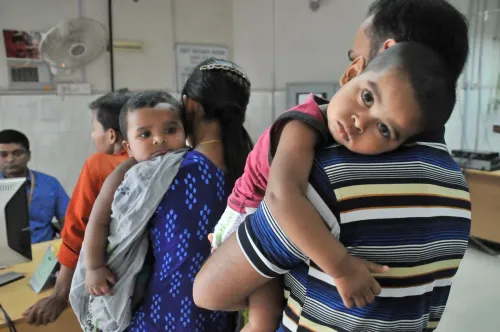
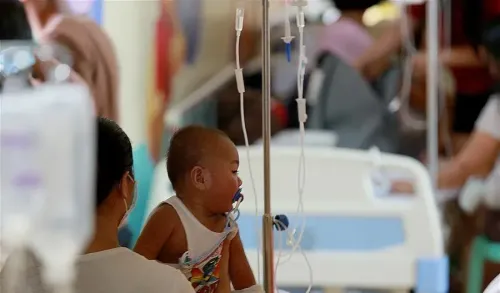
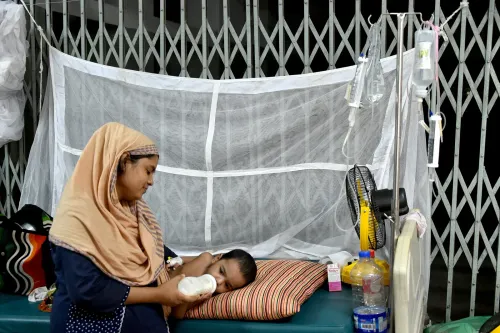
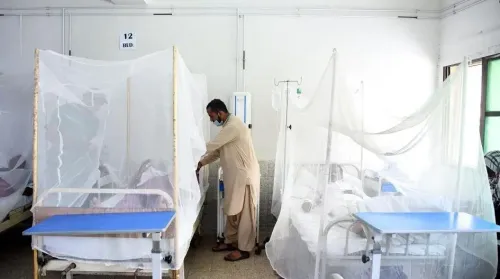
Bangladesh's measles outbreak has claimed seven more young lives in a single 24-hour period ending 8 am on Thursday, 22 May 2025, pushing the cumulative death toll since 15 March to 488, according to local media reports citing the Directorate General of Health Services (DGHS). Among the latest fatalities, four deaths were classified as suspected measles-related and three were laboratory-confirmed. The highest number of fresh deaths was recorded in Chittagong, according to the Dhaka Tribune.
Scale of the Outbreak
Since 15 March, Bangladesh has recorded 405 suspected measles deaths and 83 confirmed deaths. The total suspected infection count has climbed to 59,279, with 1,423 new suspected cases added in the latest reporting window. On the confirmed side, 208 new laboratory-verified infections were added, bringing total confirmed cases to 8,275.
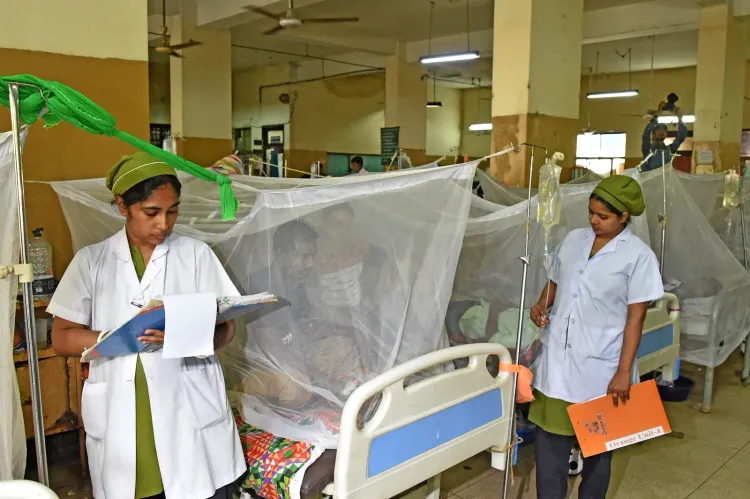
The hospitalisation burden has been severe: 46,407 suspected patients have been admitted since mid-March, of whom 42,336 have been discharged after recovery, according to the DGHS.
UNICEF's Prior Warnings to Authorities
The United Nations Children's Fund (UNICEF) has disclosed that it repeatedly alerted Bangladesh's former interim government — led by Muhammad Yunus — about critical vaccine shortages that could trigger precisely this kind of crisis. Rana Flowers, UNICEF Representative to Bangladesh, said at a press briefing in Dhaka that the agency sent five to six formal letters to health authorities and raised the issue in 10 separate meetings during the interim government's tenure.
'From 2024, we were warning the government that the shortage of vaccines could lead to an outbreak. From 2024 to 2025 into 2026, we sent letters, and we had 10 different meetings signalling this was a problem and that orders for vaccines needed to be given. They could not,' Flowers was quoted as saying by The Daily Star.
Notably, Ted Chaiban, Deputy Executive Director of UNICEF, personally raised vaccine supply concerns with Bangladesh's foreign ministry during his visit to the country in August 2024 — months before the outbreak escalated to its current scale.
Investigation and Political Context
The current Bangladesh Nationalist Party (BNP)-led government has launched a formal investigation into the outbreak. Flowers confirmed that UNICEF would provide evidence to assist that probe. This comes amid a broader reckoning over governance failures in health procurement, with the vaccine shortage now widely seen as a foreseeable and preventable trigger.
This is among the worst measles outbreaks Bangladesh has recorded in recent decades, raising urgent questions about immunisation programme continuity during political transitions. The crisis underscores the dangers of disrupted vaccine supply chains, a risk that global health bodies have flagged repeatedly in post-conflict and transitional governance contexts.
What Happens Next
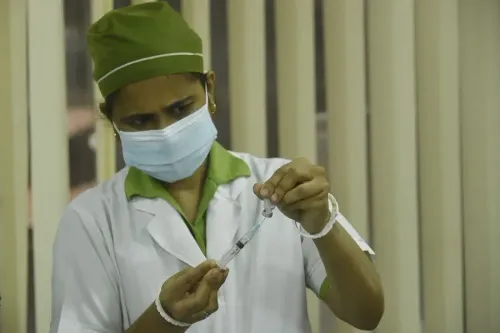
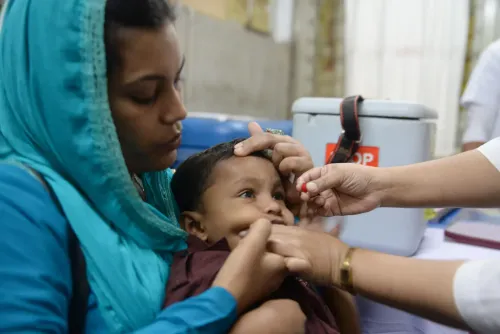
With the outbreak still active, public health officials are racing to close immunisation gaps in the worst-affected districts, including Chittagong. The BNP government's investigation is expected to scrutinise procurement decisions and inter-agency communication failures. UNICEF's evidence submission will be closely watched as it could formally establish the timeline of official inaction.
Point of View
And mainstream coverage risks burying it under the daily death count. Five to six formal letters and ten meetings constitute an unusually documented paper trail of official warning — and official inaction. The question the BNP investigation must answer is not whether the vaccine shortage was foreseeable, but why procurement orders were never placed despite repeated UN-level escalation. Bangladesh's immunisation programme has historically been a public health success story; this outbreak represents a structural failure concentrated in a period of political transition. The global lesson is stark: vaccine supply chains are not self-sustaining during governance gaps, and no interim administration should be permitted to defer procurement decisions on essential childhood immunisations.
NationPress
26 Sept 2026
Frequently Asked Questions
What is the current death toll from the Bangladesh measles outbreak?
As of 8 am on Thursday, 22 May 2025, the measles outbreak in Bangladesh has claimed 488 lives since 15 March, including 83 laboratory-confirmed and 405 suspected measles deaths. Seven of those deaths occurred in a single 24-hour period, with Chittagong recording the highest number of fresh fatalities.
Why did the measles outbreak occur in Bangladesh?
According to UNICEF, a critical shortage of measles vaccines was the primary trigger. The agency says it warned Bangladesh's former interim government — led by Muhammad Yunus — through five to six formal letters and 10 meetings between 2024 and 2026, but vaccine procurement orders were not placed in time.
What did UNICEF say about the Bangladesh government's response?
UNICEF Representative Rana Flowers stated that the agency repeatedly alerted health authorities about vaccine shortfalls from 2024 onwards. She confirmed that UNICEF Deputy Executive Director Ted Chaiban personally raised the issue with Bangladesh's foreign ministry during an August 2024 visit.
How many people have been infected in the Bangladesh measles outbreak?
Since 15 March, Bangladesh has recorded 59,279 suspected measles infections and 8,275 confirmed cases. A total of 46,407 patients have been hospitalised, of whom 42,336 have been discharged after recovery, according to the Directorate General of Health Services.
Is the Bangladesh government investigating the measles outbreak?
Yes. The current BNP-led government has launched a formal investigation into the outbreak. UNICEF has confirmed it will provide documentary evidence — including its correspondence with the previous interim government — to assist the probe.