Bangladesh measles outbreak: Death toll hits 588, UNICEF flags vaccine warnings ignored
Synopsis
Bangladesh's measles death toll has reached 588 — and UNICEF has revealed it sent five to six letters and held 10 meetings warning the previous interim government of the vaccine shortage that triggered this crisis. The outbreak is still accelerating despite a vaccination drive, raising hard questions about institutional accountability.
Key Takeaways
Three more children died from measles symptoms on 1 June 2026 , raising the total death toll to 588 since 15 March 2026 .
Confirmed deaths stand at 90 ; suspected deaths have reached 498 , per DGHS data.
Total suspected cases climbed to 72,070 ; confirmed cases reached 9,094 .
UNICEF sent five to six letters and held 10 meetings warning the previous interim government of vaccine shortages from 2024 onwards.
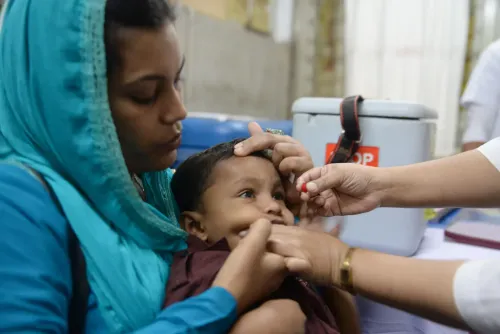
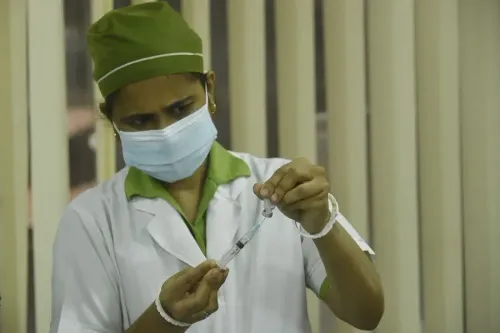
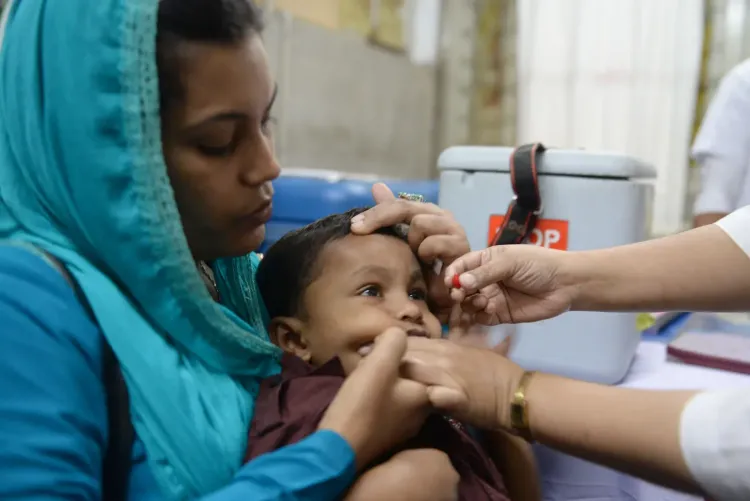
The special measles-rubella vaccination drive concluded its preliminary phase on 20 May 2026 but has not yet halted the surge.
The current BNP -led government has launched an investigation; UNICEF has pledged to provide evidence.
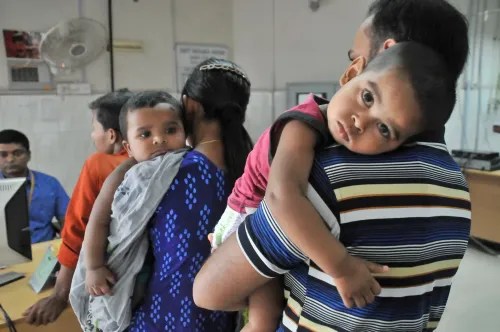
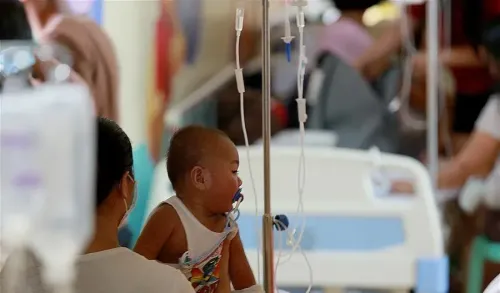
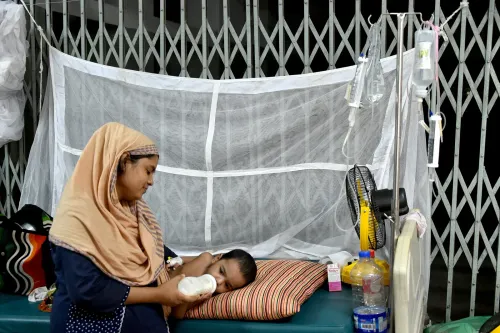
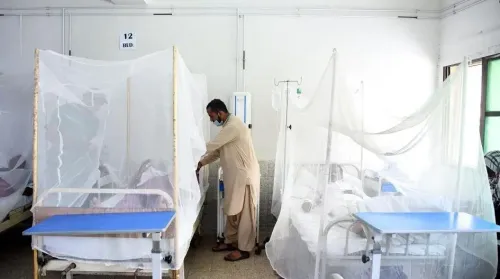
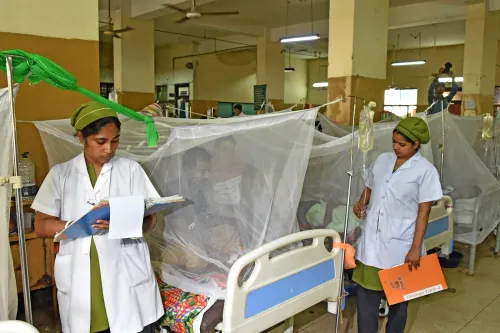
Bangladesh recorded three more measles-linked child deaths on Monday, 1 June 2026, pushing the total number of confirmed and suspected fatalities to 588 since the outbreak began on 15 March 2026, according to local media reports. The deaths were reported within a 24-hour window ending Monday morning, as the country's health crisis shows no signs of abating.
Latest Case and Death Figures
The Directorate General of Health Services (DGHS) confirmed that all three latest deaths were classified as suspected rather than confirmed. The total number of confirmed deaths remains at 90, while suspected deaths have climbed to 498. On the case count, 1,134 new suspected measles cases were logged in the same 24-hour period, raising the cumulative suspected case tally to 72,070. An additional 45 confirmed cases were added, bringing total confirmed cases to 9,094.
Vaccination Drive Falls Short
The outbreak has continued to worsen despite the conclusion of the preliminary phase of a one-and-a-half-month special measles-rubella vaccination drive on 20 May 2026, according to The Daily Star, Bangladesh's leading English-language newspaper. DGHS data shows that daily case counts exceeded 1,000 throughout last month, with exceptions only on 9 May, 16 May, and 23 May.
UNICEF Says It Repeatedly Warned Bangladesh Government
The United Nations Children's Fund (UNICEF) has disclosed that it repeatedly alerted Bangladesh's earlier interim government — led by Muhammad Yunus — about critical vaccine shortages that could precipitate a major health emergency. Addressing a press briefing in Dhaka, Rana Flowers, UNICEF representative to Bangladesh, said the agency sent five to six letters to health authorities and raised the issue in 10 separate meetings during the tenure of the previous administration.
'From 2024, we were warning the government that the shortage of vaccines could lead to an outbreak. From 2024 to 2025 and into 2026, we sent letters, and we had 10 different meetings signalling this was a problem and that orders for vaccines needed to be given. They could not,' Flowers was quoted as saying by The Daily Star.
Notably, Ted Chaiban, Deputy Executive Director of UNICEF, had personally raised vaccine shortage concerns with Bangladesh's Foreign Ministry during a visit to the country in August 2025, according to Flowers.
Investigation Underway
Flowers confirmed that UNICEF would provide evidence to support an investigation launched by the current Bangladesh Nationalist Party (BNP)-led government into the origins and handling of the measles outbreak. The probe is expected to examine whether delayed vaccine procurement decisions by the previous administration contributed to the scale of the crisis. With cases still rising and the vaccination drive yet to demonstrate a meaningful impact on transmission, health authorities face mounting pressure to accelerate immunisation coverage across the country.
Point of View
All warning of a vaccine shortage, transforms this from a public health failure into a governance accountability story. The previous interim government under Muhammad Yunus now faces serious questions about why procurement orders were not placed despite explicit international warnings. Bangladesh's vaccination infrastructure had already shown vulnerabilities post-COVID, and the failure to act on documented alerts suggests institutional dysfunction at the Health Ministry level. The BNP-led government's investigation will be closely watched — but its credibility depends on whether it examines the full decision-making chain, not just the optics of a response.
NationPress
26 Sept 2026
Frequently Asked Questions
What is the current death toll from the Bangladesh measles outbreak?
As of 1 June 2026, the total number of confirmed and suspected measles deaths in Bangladesh stands at 588 since the outbreak began on 15 March 2026. Of these, 90 are confirmed deaths and 498 are suspected deaths, according to the DGHS.
How many measles cases have been reported in Bangladesh so far?
The DGHS has recorded 72,070 suspected measles cases and 9,094 confirmed cases as of 1 June 2026. Daily suspected case counts have consistently exceeded 1,000 throughout the past month.
What did UNICEF say about the Bangladesh measles outbreak?
UNICEF said it repeatedly warned Bangladesh's previous interim government about critical vaccine shortages through five to six written letters and 10 meetings between 2024 and 2026. UNICEF representative Rana Flowers stated the government was unable to place the necessary vaccine orders despite these warnings.
Has the vaccination drive helped contain the outbreak?
The preliminary phase of a special measles-rubella vaccination drive concluded on 20 May 2026, but cases have continued to rise, with daily counts still exceeding 1,000. The drive has not yet produced a measurable decline in transmission, according to DGHS data.
Is there an investigation into how the outbreak was handled?
Yes. The current BNP-led government has launched an investigation into the measles outbreak. UNICEF has confirmed it will provide evidence to assist the probe, which is expected to examine vaccine procurement decisions made under the previous interim government.