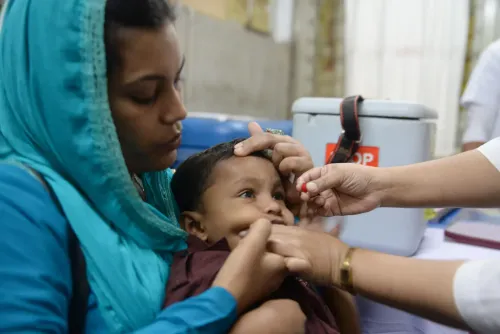
Bangladesh measles outbreak death toll hits 528 after 16 more children die
Synopsis
Bangladesh's measles outbreak has now killed 528 children since 15 March, with the country logging its second-highest single-day death toll for two straight days. The crisis has a damning paper trail: UNICEF sent five to six letters and held 10 meetings warning the previous interim government of vaccine shortages — warnings that went unheeded.
Key Takeaways
16 more children died from suspected measles in Bangladesh in the 24 hours ending 8 a.m., 25 May 2026 , raising the total death toll since 15 March to 528 .
Of total deaths, 442 are suspected measles-related and 86 are confirmed, per the DGHS .
Cumulative suspected cases stand at 63,813 ; confirmed infections at 8,622 .
UNICEF says it sent 5–6 letters and held 10 meetings warning the previous interim government of vaccine shortages from 2024 onwards .
The current BNP -led government has launched a formal investigation; UNICEF has pledged to provide evidence.
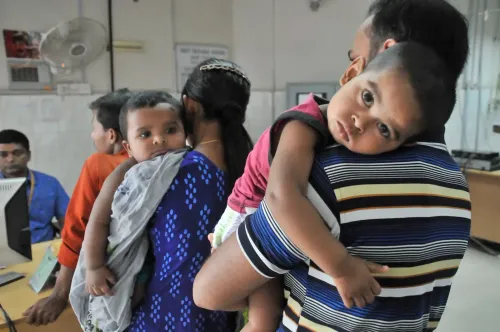
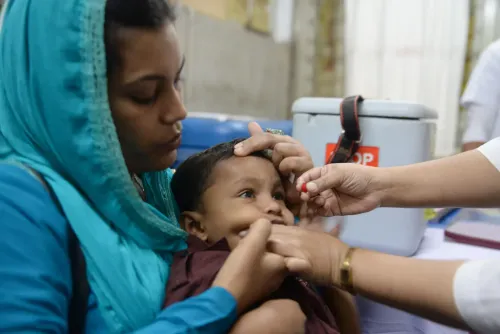
The measles outbreak in Bangladesh claimed 16 more children's lives in the 24 hours ending 8 a.m. on Sunday, 25 May 2026, pushing the cumulative death toll since 15 March to 528, according to reports citing the Directorate General of Health Services (DGHS). The country recorded its second-highest single-day fatality count for the second consecutive day, underlining the accelerating pace of the crisis.
Latest Case and Fatality Figures
All 16 new deaths have been classified as suspected measles-related by the DGHS. Of the total 528 deaths since mid-March, 442 are classified as suspected measles-related and 86 are confirmed measles deaths. In the same 24-hour window, 1,306 new suspected cases were reported, bringing the cumulative suspected case count to 63,813. Confirmed infections rose by 128 in the period, taking the total to 8,622.
Hospitalisation and Recovery
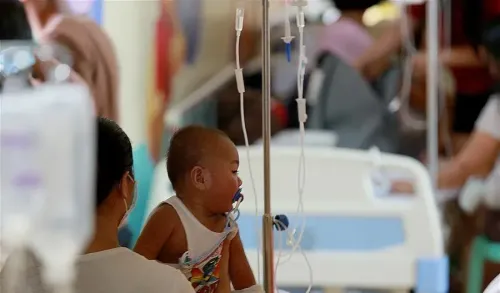
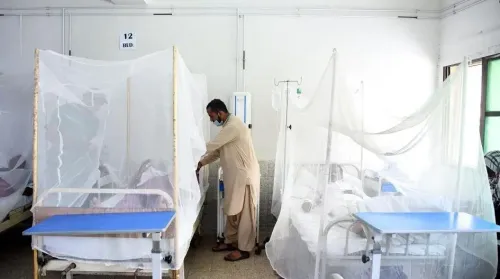
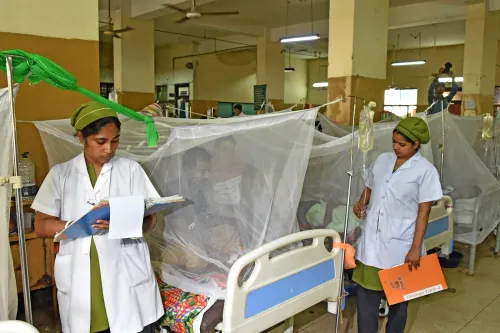
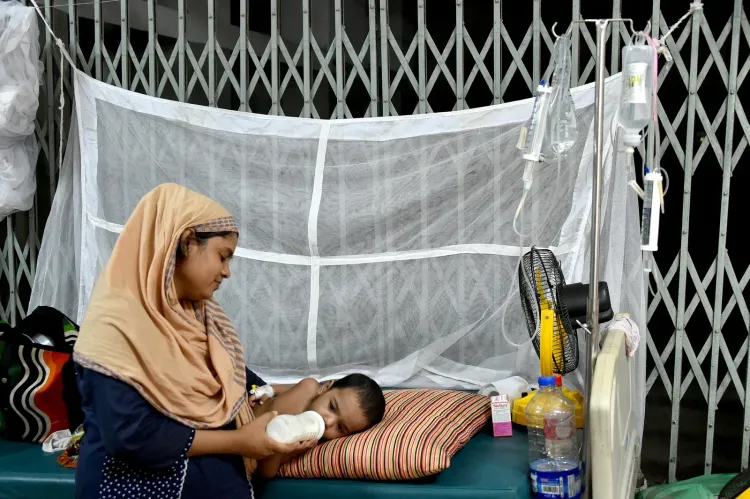
Since 15 March, a total of 50,558 suspected measles patients have been admitted to hospitals across Bangladesh. Of these, 46,214 have recovered, according to reports. The gap between admissions and recoveries points to continued pressure on the country's healthcare infrastructure.
UNICEF's Prior Warnings to the Government
On 20 May, UNICEF stated publicly that it had repeatedly cautioned Bangladesh's earlier interim government — led by Muhammad Yunus — about critical vaccine shortages that risked triggering exactly this kind of outbreak. Addressing a press briefing in Dhaka, UNICEF representative to Bangladesh Rana Flowers said the agency sent five to six letters to health authorities and raised the matter in 10 separate meetings during the interim government's tenure.
'From 2024, we were warning the government that the shortage of vaccines could lead to an outbreak. From 2024 to 2025 into 2026, we sent letters, and we had 10 different meetings signalling this was a problem and that orders for vaccines needed to be given. They could not,' Flowers said, according to Bangladesh's The Daily Star.
She also noted that UNICEF Deputy Executive Director Ted Chaiban personally raised vaccine shortage concerns with Bangladesh's Foreign Ministry during his visit to the country in August 2025.
Investigation and What Comes Next
The current Bangladesh Nationalist Party (BNP)-led government has launched a formal investigation into the outbreak. Flowers confirmed that UNICEF would provide documentary evidence to assist the probe. This comes amid growing scrutiny over whether the vaccine procurement failures under the previous administration were a result of administrative neglect or systemic dysfunction. The outbreak now stands as one of the deadliest measles crises in Bangladesh's recent history, and international health agencies are closely monitoring whether the BNP government can stabilise supply chains and contain further spread.
Point of View
But the more damaging revelation is institutional: UNICEF's documented warnings — five to six letters and ten meetings spanning 2024 to 2026 — were ignored by the Yunus-led interim government until the outbreak was already catastrophic. Bangladesh's measles vaccination coverage had been among South Asia's stronger performers historically, which makes this collapse in procurement more a failure of governance than of public health infrastructure. The BNP government's investigation is politically convenient, but the real accountability question is systemic — what broke in the procurement chain, and who authorised the decision not to order vaccines despite explicit UN warnings? Without structural reform of health procurement, the next shortage is already in the making.
NationPress
25 Sept 2026
Frequently Asked Questions
What is the current death toll from the Bangladesh measles outbreak?
As of 8 a.m. on 25 May 2026, the measles outbreak in Bangladesh has killed 528 people since 15 March, according to the DGHS. Of these, 442 deaths are classified as suspected measles-related and 86 are confirmed measles deaths.
How many measles cases have been reported in Bangladesh?
A total of 63,813 suspected measles cases and 8,622 confirmed infections have been recorded in Bangladesh since 15 March 2026, per the DGHS. In the 24 hours ending 25 May, 1,306 new suspected cases and 128 new confirmed cases were added.
Did UNICEF warn Bangladesh about the vaccine shortage before the outbreak?
Yes. UNICEF says it sent five to six letters and held 10 meetings with health authorities under the previous interim government from 2024 through 2026, warning that vaccine shortages could trigger a major outbreak. UNICEF representative Rana Flowers stated that orders for vaccines were never placed despite repeated alerts.
Who is investigating the Bangladesh measles outbreak?
The current BNP-led government has launched a formal investigation into the outbreak. UNICEF has confirmed it will provide documentary evidence to assist the probe.
How does the outbreak compare to Bangladesh's recent health history?
The outbreak is one of the deadliest measles crises in Bangladesh's recent history. The country had previously maintained relatively strong measles vaccination coverage in South Asia, making the current crisis — rooted in vaccine procurement failures — a significant departure from its public health record.