Bangladesh measles outbreak: Death toll hits 585 as crisis deepens
Synopsis
Bangladesh's measles outbreak has killed 585 people since March 15 — and UNICEF says it saw it coming. The agency sent five to six letters and held 10 meetings warning the previous interim government of vaccine shortages from 2024 onward. The warnings went unheeded. Now the BNP-led government is investigating, and UNICEF says it will hand over evidence.
Key Takeaways
585 people have died from measles or measles-like symptoms in Bangladesh since 15 March 2026 , including two children in the latest 24-hour period.
Of total deaths, 495 are suspected and 90 are confirmed measles fatalities, per the DGHS .
Cumulative suspected cases stand at 70,936 ; confirmed infections total 9,049 .
UNICEF says it sent 5–6 letters and held 10 meetings warning the previous interim government of vaccine shortages from 2024 onward.
The current BNP-led government has launched a formal investigation; UNICEF has pledged to provide supporting evidence.
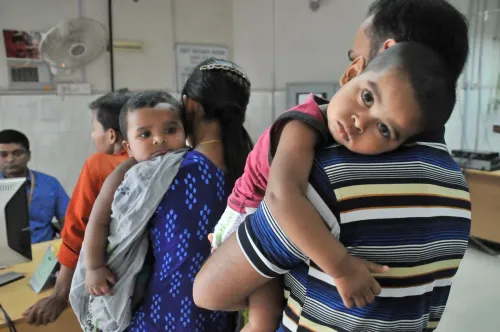
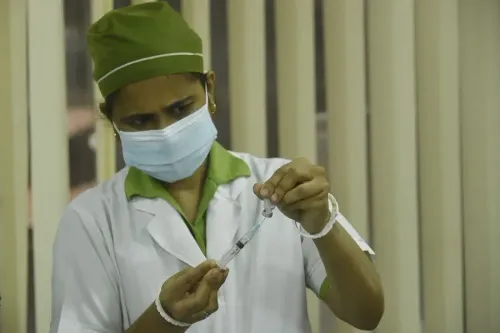
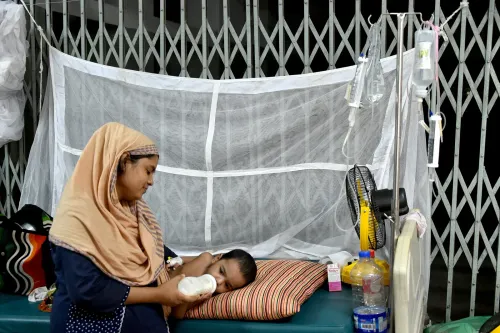
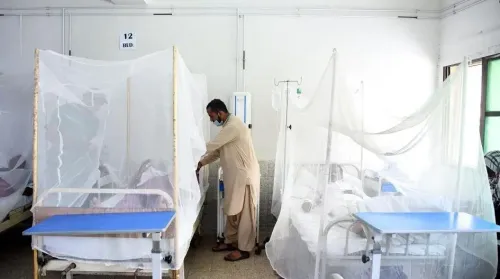
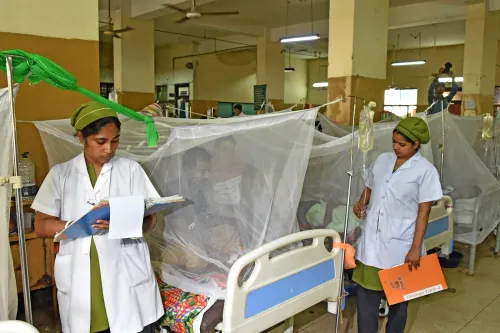
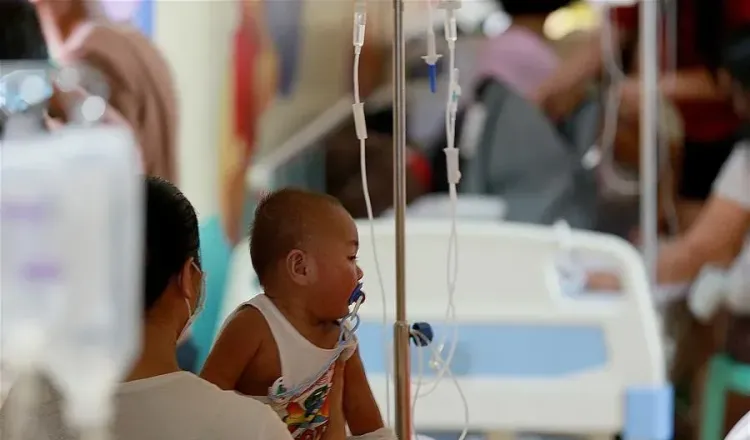
Bangladesh's measles outbreak has claimed 585 lives since 15 March 2026, after two more children died from measles-like symptoms in the 24 hours ending 8 am on Sunday, according to the Directorate General of Health Services (DGHS). Both new deaths have been classified as suspected cases, underscoring the scale of a health emergency that has overwhelmed the country's public health infrastructure.
Scale of the Outbreak
Of the total 585 deaths, 495 are classified as suspected measles fatalities and 90 have been confirmed, according to DGHS data. On the same day, 1,324 new suspected cases were recorded, pushing the cumulative suspected caseload to 70,936. Confirmed infections rose by 53 in 24 hours, bringing the total confirmed count to 9,049.
Since 15 March, a total of 56,886 suspected measles patients have been hospitalised across Bangladesh, of whom 52,841 have recovered, the DGHS reported.
UNICEF's Repeated Warnings Went Unheeded
The United Nations Children's Fund (UNICEF) has stated that it repeatedly alerted the previous interim government — led by Muhammad Yunus — about critical vaccine shortages that it warned could trigger a major health crisis. Rana Flowers, UNICEF Representative to Bangladesh, told a press briefing in Dhaka that the agency sent five to six letters to health authorities and raised the issue in 10 separate meetings during the tenure of the prior administration.
'From 2024, we were warning the government that the shortage of vaccines could lead to an outbreak. From 2024 to 2025 and into 2026, we sent letters, and we had 10 different meetings signalling this was a problem and that orders for vaccines needed to be given. They could not,' Flowers was quoted as saying by The Daily Star.
Flowers also noted that Ted Chaiban, Deputy Executive Director of UNICEF, personally raised vaccine shortage concerns with Bangladesh's Foreign Ministry during his visit to the country in August last year.
Investigation and Current Government Response
The current Bangladesh Nationalist Party (BNP)-led government has launched a formal investigation into the outbreak. UNICEF has said it will provide evidence to assist that inquiry. Flowers confirmed the agency is cooperating fully with the probe.
This is a significant development: it shifts accountability squarely onto the administrative decisions — or inaction — of the previous interim government, and raises hard questions about why vaccine procurement orders were not placed despite repeated high-level warnings over a two-year period.
What Happens Next
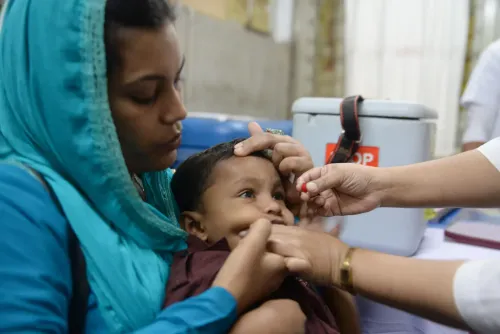
With daily suspected cases still running above 1,300, the outbreak shows no immediate sign of abating. Health authorities face a dual challenge — containing active transmission while restoring routine immunisation coverage that public health experts say was critically depleted. International health agencies are expected to intensify support as the investigation proceeds and vaccine supply lines are rebuilt.
Point of View
With zero procurement action, points to a systemic breakdown in the previous interim government's health administration. The fact that UNICEF's Deputy Executive Director personally raised the issue with the Foreign Ministry in August last year and still nothing moved is damning. The BNP-led government's investigation is a necessary step, but the real question is whether it will produce enforceable findings or become another report that gathers dust. With daily cases still above 1,300, the crisis is not yet past its peak — and the children dying now are paying the price of decisions made, or not made, years ago.
NationPress
27 Sept 2026
Frequently Asked Questions
How many people have died in the Bangladesh measles outbreak?
As of 8 am on Sunday, 585 people have died from measles or measles-like symptoms in Bangladesh since 15 March 2026. Of these, 495 deaths are classified as suspected and 90 are confirmed measles fatalities, according to the DGHS.
How many measles cases have been reported in Bangladesh?
Bangladesh has recorded 70,936 suspected measles cases and 9,049 confirmed infections since the outbreak began on 15 March 2026. A total of 56,886 patients have been hospitalised, of whom 52,841 have recovered.
Why did UNICEF warn Bangladesh about the measles outbreak?
UNICEF warned Bangladesh's previous interim government — led by Muhammad Yunus — from 2024 onward that critical vaccine shortages could trigger a major measles outbreak. The agency sent five to six letters and held 10 meetings with health authorities, but vaccine procurement orders were reportedly never placed.
What is the current Bangladesh government doing about the outbreak?
The current BNP-led government has launched a formal investigation into the measles outbreak. UNICEF has said it will provide evidence to assist the inquiry, including documentation of its prior warnings to the previous administration.
Who is responsible for the vaccine shortage that led to the Bangladesh measles crisis?
According to UNICEF, the vaccine shortage stems from a failure by the previous interim government to act on repeated warnings between 2024 and 2026. UNICEF Representative Rana Flowers stated that the agency's communications — including letters and meetings at the ministerial level — did not result in vaccine orders being placed.