Cabinet Clears 'Yuge Yugeen Bharat' Museum at North-South Block
Synopsis
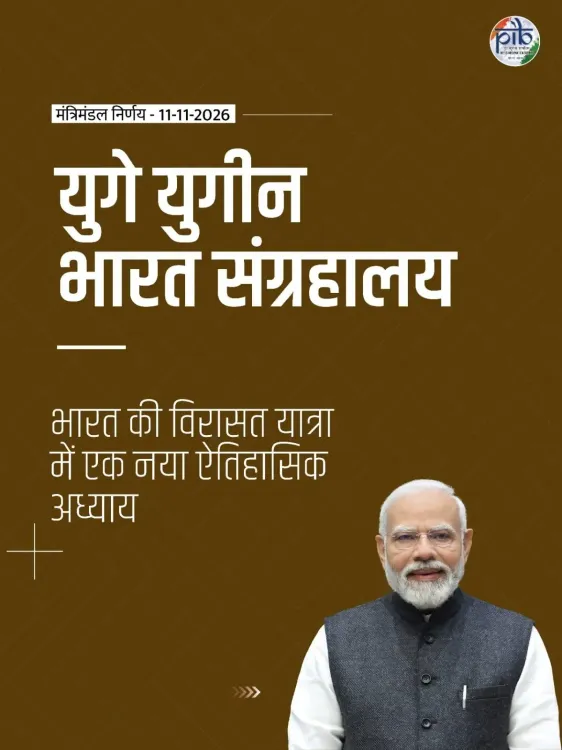
The Union Cabinet chaired by PM Modi has approved the 'Yuge Yugeen Bharat' Museum inside New Delhi's iconic North and South Block, aiming to present thousands of years of Indian civilisation while preserving the colonial-era buildings. Education Minister Dharmendra Pradhan shared the announcement.
Key Takeaways
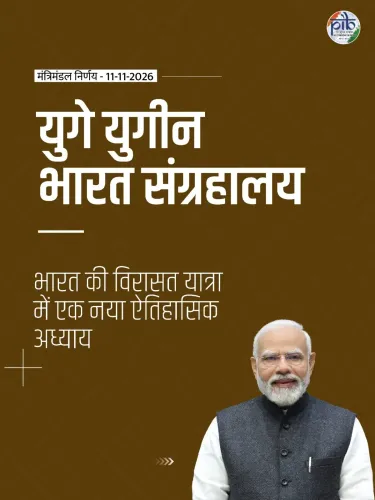
The Union Cabinet, chaired by PM Narendra Modi , approved the 'Yuge Yugeen Bharat' Museum on 11 November 2026 .
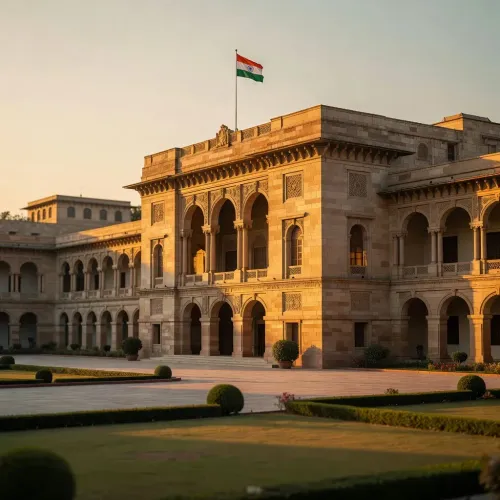
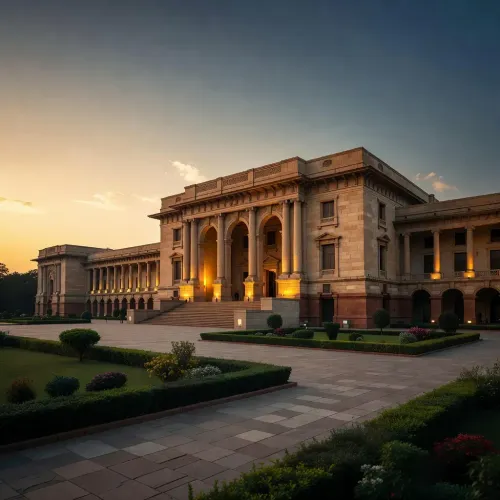
The museum will be developed inside North Block and South Block in New Delhi — historically the seats of the Finance Ministry and the External Affairs Ministry respectively.
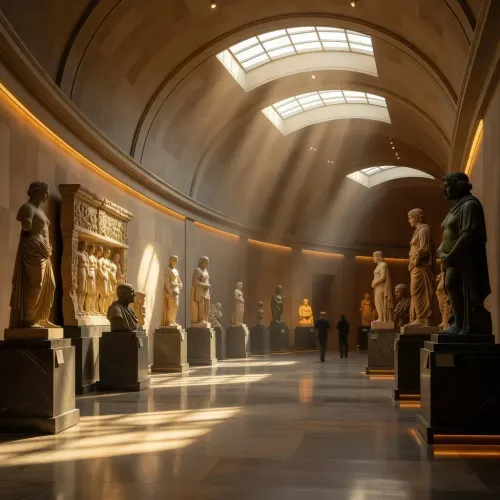
It is designed to present India's civilizational journey spanning thousands of years, with a focus on cultural diversity and heritage.
The project is part of the broader Central Vista Redevelopment Project , approved in 2019 , which conserves and repurposes heritage structures in the capital.
Key milestones to watch include tendering, office relocations from the two blocks, and potential budget allocations in the next Union Budget.
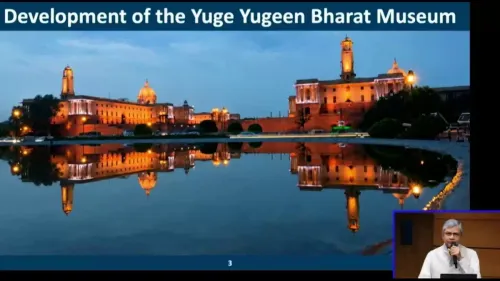
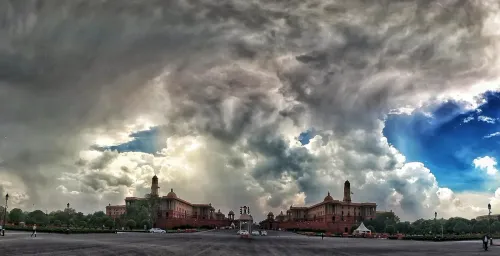
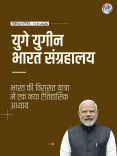
India's storied colonial heart in New Delhi is about to be repurposed in the most consequential way since Independence. Union Education Minister Dharmendra Pradhan announced on Wednesday, 11 November 2026 that the Union Cabinet, chaired by Prime Minister Narendra Modi, has approved the development of the 'Yuge Yugeen Bharat' (Timeless India) Museum inside the iconic North Block and South Block complex on New Delhi's Rajpath.
Pradhan wrote on X: 'Yuge Yugeen Bharat Museum' will present India's thousands of years of civilizational journey, cultural diversity, and rich heritage in a living form — while preserving the legacy of the historic buildings themselves and giving India's glorious civilisation a global identity.
What 'Yuge Yugeen Bharat' will house
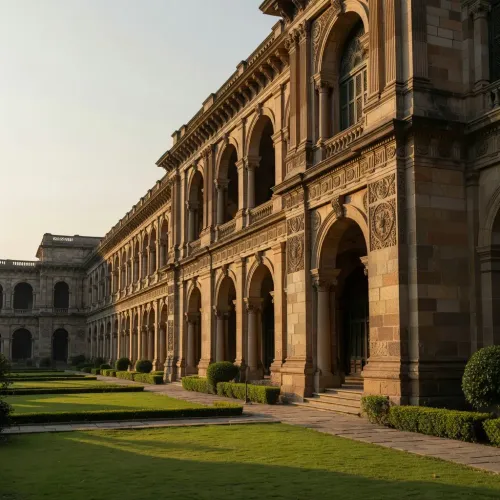
The museum's name — literally 'India Across All Ages' — signals its ambition: a sweeping, immersive chronicle of Indian civilisation, not a narrow slice. The twin sandstone buildings that will host it are themselves layered in history. North Block has long been the seat of the Ministry of Finance; South Block has housed the Ministry of External Affairs and the Prime Minister's Office. Repurposing them for public culture marks a defining break from their administrative past.
The stated vision is a museum that is simultaneously a heritage monument and a living exhibition — preserving the architecture of the colonial-era structures while filling them with the story of a civilisation that stretches back millennia before those buildings were even conceived.
Central Vista's cultural pivot
The approval slots into the broader Central Vista Redevelopment Project, greenlit by the Union Cabinet in 2019, which set out to modernise, conserve, and repurpose the cluster of heritage buildings along the ceremonial axis of New Delhi. The new Parliament building and the Central Secretariat towers are the most visible chapters of that project; the Yuge Yugeen Bharat Museum now becomes arguably its most culturally charged.
The government has consistently framed Central Vista not merely as an infrastructure exercise but as a civilisational statement — reclaiming the symbolic centre of the capital for Indian public life. A grand museum at the apex of that axis, visible to every visitor who walks Kartavya Path, makes that argument concrete and permanent.
What comes next — timelines and budgets to watch
Cabinet approval is the starting gun. The immediate milestones to track are the tendering process for design and construction, the relocation of any remaining government offices within the two blocks, and whether a dedicated museum allocation appears in the next Union Budget. Given the scale of the project — two of the most recognisable buildings in the country — construction and fit-out timelines will be closely scrutinised by heritage conservationists and urban planners alike.
India has been building its soft-power vocabulary for years; a world-class civilisational museum at the geographic and symbolic heart of New Delhi would be its most permanent sentence yet.
Point of View
The Modi government is making a durable, brick-and-mortar argument about India's self-image on the world stage. It also reflects a consistent policy thread of converting colonial administrative spaces into public-facing cultural institutions, a soft-power play that will outlast any single political cycle. Critics and heritage scholars will watch the construction and curation process closely, particularly around how 'thousands of years' of a diverse civilisation is interpreted and presented within a single institutional frame.
NationPress
11 Nov 2026
Frequently Asked Questions
What is the Yuge Yugeen Bharat Museum?
'Yuge Yugeen Bharat' — meaning 'Timeless India' — is a proposed grand museum approved by the Union Cabinet to be built inside New Delhi's North Block and South Block, designed to showcase India's civilizational history, cultural diversity, and heritage spanning thousands of years.
Where will the Yuge Yugeen Bharat Museum be located?
The museum will be located in the North Block and South Block buildings in New Delhi, the colonial-era sandstone structures that have long housed key central government ministries.
Is this part of the Central Vista project?
Yes. The museum is part of the broader Central Vista Redevelopment Project, which was approved by the Union Cabinet in 2019 and covers the modernisation and conservation of heritage buildings along New Delhi's ceremonial axis.
Who announced the Yuge Yugeen Bharat Museum?
Union Education Minister Dharmendra Pradhan announced the Cabinet's approval on X on 11 November 2026, noting that PM Narendra Modi chaired the Cabinet meeting.
When will the Yuge Yugeen Bharat Museum open?
No official opening date has been announced yet. The next steps include tendering for design and construction, relocation of government offices from the two blocks, and potential budget allocations — all of which will shape the timeline.