Awami League blames Yunus govt for Bangladesh measles crisis killing 500+
Synopsis
Bangladesh's Awami League has levelled explosive allegations against former interim PM Muhammad Yunus, claiming his government's deliberate reversal of vaccine procurement policy — against repeated UNICEF warnings — caused a measles outbreak that has reportedly killed over 500 people. UNICEF's own representative is quoted pleading with health officials not to change the system. The political fallout, compounded by corruption allegations and a last-minute US trade deal, signals a deepening accountability crisis in Dhaka.
Key Takeaways
Bangladesh's Awami League alleges the Muhammad Yunus -led interim government's policy failures caused a measles outbreak killing more than 500 people .
UNICEF reportedly warned the Yunus administration repeatedly — in writing and in meetings — about vaccine shortages that could trigger a health crisis.
The interim government split vaccine procurement between UNICEF and an open tender process, causing delays; UNICEF representative Rana Flowers is quoted pleading with health officials: 'For God's sake… don't do this.' The Bangladesh Anti-Corruption Commission has received complaints alleging embezzlement and irregularities in vaccine and syringe procurement.
The Awami League also alleged the Yunus government signed a US trade deal (ART) just three days before the February 2025 elections, purportedly against national interests.
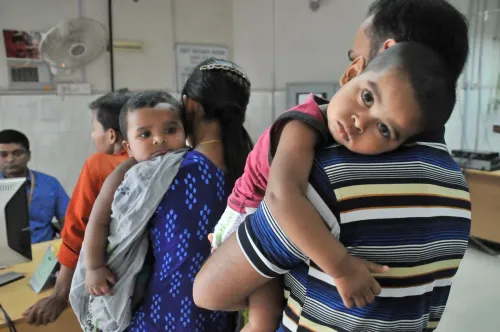
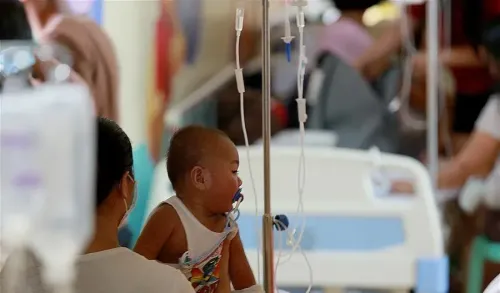
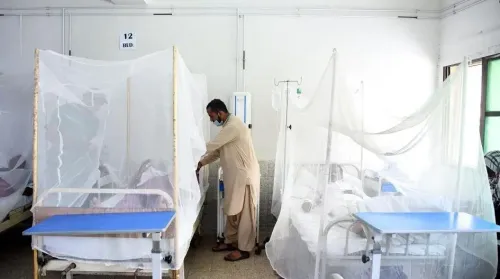
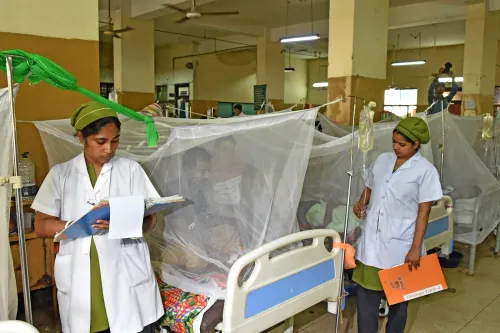
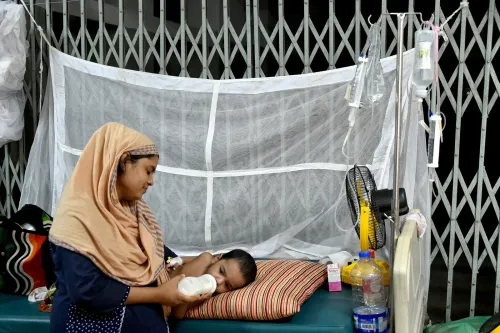
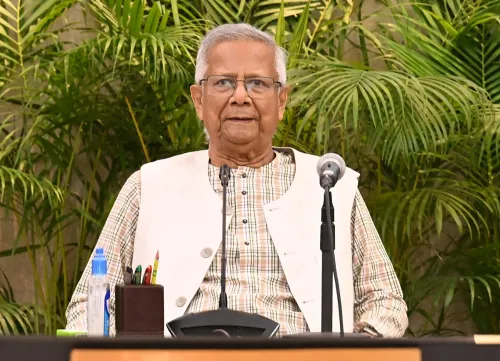
Bangladesh's Awami League on Monday, 26 May 2025, accused the former interim government led by Muhammad Yunus of gross negligence and deliberate policy failures that it claims triggered a worsening measles outbreak across the country, reportedly claiming more than 500 lives. The party alleged that warnings from the United Nations Children's Fund (UNICEF) were knowingly ignored, allowing the crisis to escalate unchecked.
What UNICEF Said
According to the Awami League, UNICEF had repeatedly cautioned the Yunus-led administration — through written communications and direct meetings with Health Ministry officials — that vaccine shortages could precipitate a major public health emergency. The agency's representative in Bangladesh, Rana Flowers, is quoted as having pleaded with former Health Advisor Nurjahan Begum: 'For God's sake… don't do this.' Flowers reportedly described the situation as 'very frustrating,' according to a quote attributed to the Science Adviser.
The Procurement Decision That Sparked the Crisis
At the heart of the controversy is a procurement policy change made by the interim government. For years, Bangladesh had sourced vaccines through UNICEF via a direct procurement method. The Yunus administration reportedly decided to split purchases between UNICEF and an open tender process, a move UNICEF strongly opposed, warning it would disrupt the immunisation system and risk a large-scale outbreak.
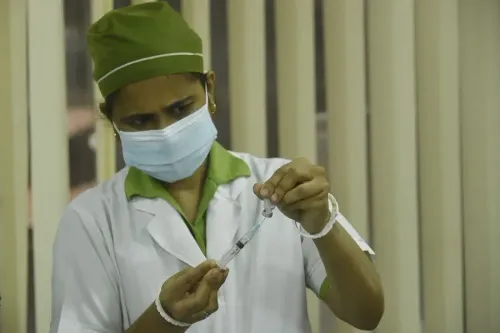
Critics and public health experts had flagged that the revised system would delay vaccine delivery. According to the Awami League, bureaucratic complications stalled the tender process, vaccine stocks were depleted, and routine immunisation programmes collapsed as a result.
Allegations of Corruption and Irregularities
The Awami League cited media reports and complaints filed with the Bangladesh Anti-Corruption Commission, alleging embezzlement and irregularities in the procurement of vaccines and syringes. The party characterised the outbreak not as a case of administrative incompetence, but as a 'calculated crime', asserting that the government had 'intentionally' dismantled the supply system and pushed Bangladesh toward a health disaster.
Trade Deal and Broader Political Charges
Beyond the health crisis, the Awami League alleged that the Yunus government, in its final days in power, signed a trade agreement with the United States — described as the 'Agreement on Reciprocal Trade' (ART) — reportedly just three days before the February 2025 elections. The party claimed a review of the agreement suggested it was concluded at the 'expense of Bangladesh's national interests', and questioned the timing of the signing.
The Awami League also made broader political allegations, claiming that several sitting lawmakers in the national parliament had sided with Pakistan during the 1971 Bangladesh Liberation War, and that their primary objective was to protect Pakistani interests rather than the welfare of Bangladeshi citizens.
What Comes Next
The Awami League's statement represents a sharp escalation in political pressure on the post-Yunus administration to account for the outbreak. Independent verification of the 500-plus death toll and the specific claims against the former government remains pending. With UNICEF's concerns now publicly attributed, calls for a formal inquiry into vaccine procurement decisions are likely to intensify in the coming weeks.
Point of View
But the underlying procurement facts deserve independent scrutiny. If UNICEF did repeatedly warn against splitting the vaccine tender and was overruled, that is a serious governance failure regardless of political motive. What is missing from the public record is an independent audit of when stocks ran out, how many children missed routine doses, and whether the 500-plus death figure is independently verified. Bangladesh's political culture has a history of weaponising health failures for partisan ends; the risk here is that the legitimate accountability question gets buried under the volume of the political charge. A credible parliamentary or judicial inquiry into the procurement decision — not a party press release — is what the crisis actually demands.
NationPress
26 Sept 2026
Frequently Asked Questions
What caused the measles outbreak in Bangladesh in 2025?
According to the Awami League, the outbreak was triggered by a vaccine procurement policy change made by the Muhammad Yunus-led interim government, which split purchases between UNICEF and an open tender process. This reportedly caused delays, depleted vaccine stocks, and collapsed routine immunisation programmes. UNICEF had warned against the change in advance.
How many people have died in the Bangladesh measles outbreak?
The Awami League claims the outbreak has claimed more than 500 lives. Independent verification of this figure is pending, and NationPress has not been able to confirm the toll from official health authorities.
What did UNICEF say about the Bangladesh vaccine crisis?
UNICEF reportedly warned the Yunus administration repeatedly — through written communications and meetings with Health Ministry officials — that the procurement change could disrupt the immunisation system and cause a large-scale outbreak. The agency's Bangladesh representative, Rana Flowers, is quoted as having pleaded with former Health Advisor Nurjahan Begum: 'For God's sake… don't do this.'
What is the Agreement on Reciprocal Trade (ART) that the Awami League mentioned?
The ART is a trade agreement the Yunus government reportedly signed with the United States, allegedly just three days before Bangladesh's February 2025 elections. The Awami League claims a review of the deal suggests it was concluded at the expense of Bangladesh's national interests, though it has not provided full details of the agreement's terms.
Has anyone been held accountable for the vaccine procurement failure?
As of the Awami League's statement, complaints alleging embezzlement and irregularities in vaccine and syringe procurement have been filed with the Bangladesh Anti-Corruption Commission. No formal charges or convictions have been reported. Calls for a formal inquiry are expected to intensify following the party's public allegations.