What Concerns Were Raised at the UNSC Regarding Russia’s Hypersonic Nuclear Capable Missile Deployment?
Synopsis
As the Ukraine War approaches its fourth year, significant concerns are being raised at the UN Security Council regarding Russia’s latest military actions, particularly the deployment of a hypersonic missile capable of carrying nuclear weapons. This escalation poses risks to global security and highlights the ongoing conflict's devastating impact.
Key Takeaways
The deployment of the hypersonic missile marks a serious escalation in the Ukraine conflict.
International concerns are being raised regarding the implications of nuclear capabilities.
Millions of Ukrainians are suffering from infrastructure damage due to missile attacks.
The UN Security Council is actively discussing the situation and potential peace initiatives.
Global security is at risk due to the ongoing military actions by Russia.
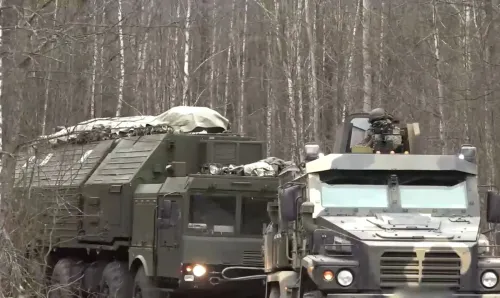
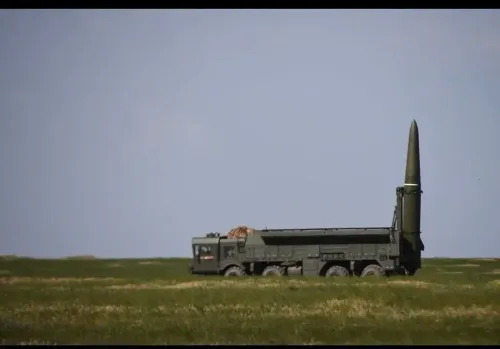
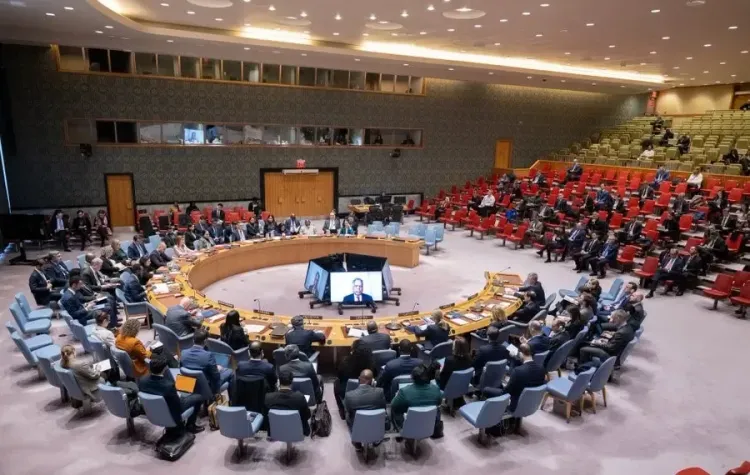
United Nations, Jan 13 (NationPress) As the Ukraine War approaches its fourth year, members of the UN Security Council have voiced their apprehensions regarding Russia's latest military advancement. This involves the deployment of a nuclear-capable hypersonic missile that successfully struck targets near the border with NATO ally Poland.
Under-Secretary-General Rosemary DiCarlo, during her briefing to the Council, noted, “The Oreshnik system is assessed to possess the capability to deliver nuclear payloads, which has escalated anxiety surrounding its deployment.”
She added that this incident marks the second occasion since 2004 that such a “potentially catastrophic weapon” has been utilized against Ukraine.
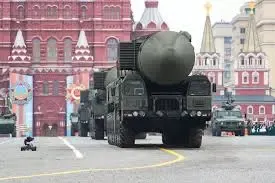
The Oreshnik, classified as an intermediate-range ballistic missile, can transport nuclear munitions and reach speeds of 2,300 kilometers per hour—approximately ten times the speed of sound. It targeted locations in Lviv on Friday.
Russia’s Permanent Representative Vassily Nebenzia proudly asserted to the Council that “there currently exists no air defense measures capable of countering the Oreshnik.”
The missile's deployment is perceived as a further escalation of hostilities by President Vladimir Putin, coinciding with increased peace initiatives from the US and European nations.
US Deputy Permanent Representative Tammy Bruce remarked, “This represents another perilous and inexplicable escalation of this conflict, even as the United States urgently collaborates with Kyiv, other partners, and Moscow to bring about a negotiated resolution.”
Britain’s Deputy Permanent Representative James Kariuki echoed similar sentiments, indicating that it “poses a threat to both regional and international stability, carrying significant risks of escalation and miscalculation.”
Ukraine requested the Council meeting following Russia’s large-scale assault utilizing missiles and drones, exacerbated by frigid temperatures that intensified the impact of Moscow’s onslaught on civilian infrastructures.
DiCarlo reported that between Thursday and Friday, Russia “allegedly launched 242 drones and 36 missiles.”
Ukraine’s Permanent Representative Andriy Melnyk commented that the attacks demonstrate Russia’s descent into “further proving that there is no low to its criminal ambitions.”
Ramesh Rajasingham, who leads the Office for the Coordination of Humanitarian Affairs (OCHA), highlighted that with temperatures plummeting to nearly minus 10 degrees Celsius, “the situation for civilians has become increasingly dire, as extensive assaults continue to jeopardize energy systems, emergency services, and essential winter survival resources.”
According to DiCarlo, millions of individuals are left without heating or water.
Nebenzia defended the escalation and the Oreshnik's deployment, claiming it was a response to a Ukrainian attack on a residence associated with Putin.
Melnyk refuted the allegation that Ukraine had targeted Putin’s residence, a sentiment shared by several Western countries.
DiCarlo noted that Ukraine had also targeted energy infrastructure and civilian sites within Russia, asserting that the attacks on Friday “left millions of Ukrainians without electricity, heat, and water.”
Melnyk asserted that Russia is grappling with a significant crisis, despite its bravado, characterizing its situation as “smoke and mirrors.”
The Russian economy is reportedly in disarray, facing a substantial labor shortage as citizens flee the country amid the ongoing conflict's toll.
US President Donald Trump is currently leaning towards supporting Kyiv in efforts to resolve the conflict after Putin has steadfastly maintained his hardline stance against negotiations on the 20-point proposal presented by Ukraine’s President Volodymyr Zelensky with European support.
In one of her strongest denunciations of Moscow, Bruce stated, “We condemn Russia’s ongoing and escalating assaults on Ukraine’s energy infrastructure and civilian facilities. These actions undermine the pursuit of peace, a goal of utmost importance to the world and President Trump.”
Point of View
It’s imperative to consider the ramifications of military advancements like the hypersonic missile. The ongoing struggle for peace and stability in Ukraine demands a collective response from the international community to foster dialogue and mitigate risks associated with such dangerous capabilities.
NationPress
27 Sept 2026
Frequently Asked Questions
What is the significance of the hypersonic missile deployment by Russia?
The deployment of the hypersonic missile signifies a severe escalation in military capabilities, raising concerns about potential nuclear threats and destabilizing regional security.
How has the international community reacted to Russia's actions?
The international community, notably the UN Security Council, has expressed deep concerns over Russia's military advancements and their implications for global peace and security.
What impact do the missile attacks have on the civilian population in Ukraine?
The missile attacks have caused significant damage to infrastructure, leaving millions of Ukrainians without essential services like heat and water amid harsh winter conditions.
What efforts are being made to negotiate peace in Ukraine?
Efforts for peace involve discussions among the US, Ukraine, and European partners, aiming for a negotiated settlement to end the ongoing conflict.
How does the current situation affect global security?
The escalation of military actions and the threat of nuclear capabilities pose substantial risks to both regional and international security, heightening tensions globally.