Sudan famine risk: US, allies warn 19.5 million face acute food crisis
Synopsis
More than two dozen governments, led by the US, have warned that Sudan is on the edge of famine — with 19.5 million people acutely food insecure and a child malnutrition figure that could breach 825,000. The joint statement names the warring parties as the primary obstacle to aid delivery and makes an explicit, time-sensitive demand: open the borders and the skies, or face an irreversible catastrophe.
Key Takeaways
The US , Canada , Britain , Australia , and more than two dozen partners jointly warned of a famine risk in Sudan on 27 October 2026 .
19.5 million Sudanese — 41% of the population — are experiencing acute food insecurity; 5 million are in emergency conditions.
Severe acute malnutrition in children could exceed the projected 825,000 if conditions worsen.
The number of areas facing serious food insecurity, currently 14 , could double without intervention.
Signatories demanded immediate air access into Darfur and removal of administrative barriers blocking aid organisations.
Sudan has been engulfed in conflict since April 2023 , displacing millions and devastating public services.
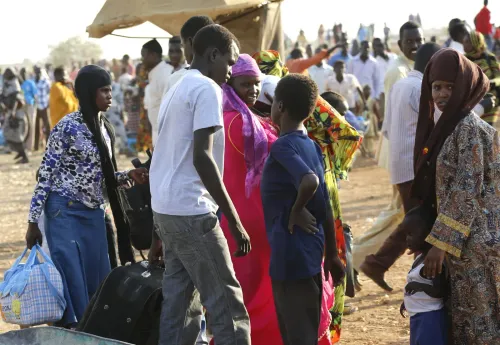
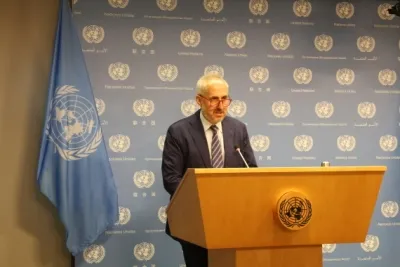
The United States, Canada, and more than two dozen international partners have issued a stark warning that Sudan faces a rapidly growing risk of famine, with 19.5 million people — representing 41 per cent of the population — experiencing high levels of acute food insecurity. The joint statement, circulated by the US State Department on Monday, 27 October 2026, demanded that the country's warring parties immediately lift restrictions blocking humanitarian assistance from reaching civilians.
Scale of the Crisis
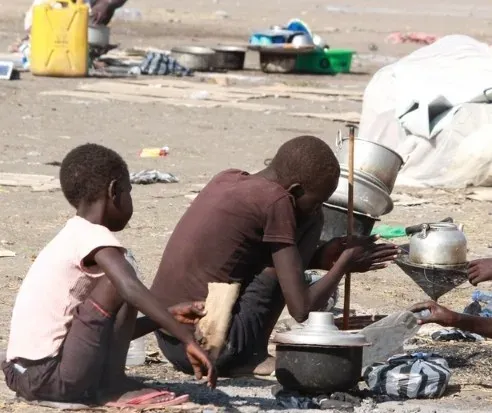
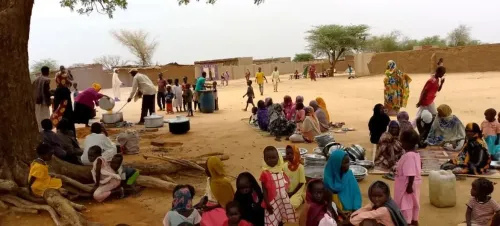
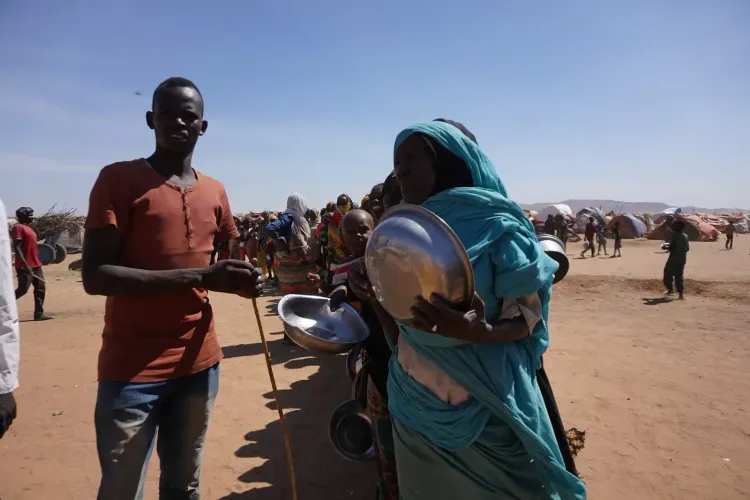
Of the 19.5 million Sudanese facing acute food insecurity, five million are already in emergency conditions, according to international food security assessments cited by the signatories. The joint statement warned that the number of children suffering from severe acute malnutrition could surpass the projected 825,000 if conditions continue to deteriorate. The number of areas facing serious food insecurity — currently assessed at 14 — could also double, the governments cautioned.
'There is no time to lose to save lives and prevent famine,' the joint statement said.
Who Signed and When
The warning was originally issued on 23 October 2026 and subsequently endorsed by European governments, Australia, Canada, the United States, Britain, and the European Commission. The broad coalition of signatories reflects mounting international alarm over a crisis that has unfolded largely outside global headlines since April 2023, when fighting first erupted across the country.
Root Causes: War, Weather and Bureaucratic Obstruction
The statement identified the continuing armed conflict as the principal driver of Sudan's hunger crisis. Fighting has displaced millions of civilians, destroyed essential infrastructure, and disrupted healthcare, agricultural production, food distribution networks, and local markets. The situation has been further aggravated by administrative restrictions on humanitarian operations and adverse weather linked to El Niño, including reduced rainfall and worsening drought across more than half the country.
Notably, aid organisations have faced lengthy visa procedures, customs clearance delays, additional travel permits, and taxation requirements — bureaucratic hurdles that the governments explicitly called out and demanded be removed. The signatories urged longer visa validity periods and simplified travel authorisations to keep humanitarian workers operational in the field.
Demands on Warring Parties and Aid Access
The international partners specifically demanded air access into Darfur, a region among the hardest hit by violence, displacement, and logistical restrictions. Such access, the statement said, would allow aid organisations to deploy emergency supplies more quickly and evacuate humanitarian personnel requiring medical attention. Armed groups were also urged to avoid attacks on civilian infrastructure, particularly agricultural facilities and food production systems.
The governments called on all parties to allow humanitarian organisations to operate safely across front lines and international borders. They placed primary responsibility for protecting civilians on the parties to the conflict, stating that ensuring assistance reaches people in need is a fundamental obligation.
Calls for Funding and Agricultural Support
The signatories called for an urgent increase in international humanitarian funding, urging development banks and financial institutions to adjust their programmes to address Sudan's worsening food security situation. Particular emphasis was placed on supporting the winter cropping season, which could help restore agricultural production and reduce long-term dependence on emergency food assistance. The statement also called for strengthening locally led humanitarian responses as a sustainable complement to international relief efforts.
With the humanitarian situation at risk of sharp deterioration in the coming months, the international community's next steps — and whether the warring parties comply — will determine whether a formal famine declaration becomes unavoidable.
Point of View
And carries implicit pressure even without enforcement mechanisms. Yet the gap between rhetorical alarm and operational change has been wide throughout this conflict; similar calls since 2023 have not unlocked sustained humanitarian corridors. The specific call-out of bureaucratic obstructions — visas, permits, customs delays — signals that the problem is not just battlefield access but also deliberate administrative obstruction, which is harder to attribute to 'the chaos of war.' Whether this statement moves the needle depends entirely on whether the international community pairs it with consequences.
NationPress
27 Oct 2026
Frequently Asked Questions
How many people in Sudan are facing food insecurity?
According to a joint statement by the US, Canada, and more than two dozen international partners, 19.5 million Sudanese — representing 41 per cent of the population — are experiencing high levels of acute food insecurity. Of these, five million are already in emergency conditions.
What is causing the food crisis in Sudan?
The joint statement identifies the ongoing armed conflict, which began in April 2023, as the principal cause. Fighting has displaced millions, destroyed infrastructure, and disrupted agriculture and food distribution. The crisis is compounded by El Niño-linked drought across more than half the country and by administrative restrictions that delay humanitarian operations.
What are the governments demanding from Sudan's warring parties?
The signatories are demanding that all parties immediately lift restrictions on humanitarian assistance, allow aid organisations to operate across front lines and international borders, and specifically grant air access into Darfur. They are also calling for the removal of visa delays, customs holdups, and taxation requirements imposed on aid organisations.
How many children face severe acute malnutrition in Sudan?
The projected figure for children suffering from severe acute malnutrition is 825,000, but the international partners warned this number could be exceeded if conditions continue to deteriorate and humanitarian access is not restored.
Which countries signed the joint warning on Sudan?
The warning, originally issued on 23 October 2026, was endorsed by the United States, Canada, Britain, Australia, European governments, and the European Commission — totalling more than two dozen international partners. It was circulated publicly by the US State Department on 27 October 2026.