How is a US bill aiming to expand tribal buffalo herds?
Click to start listening
Synopsis
Washington, Dec 18 (NationPress) Highlighting the vital role of buffalo in America's heritage, two US lawmakers have reintroduced bipartisan legislation to enhance federal support for Native American tribes managing buffalo herds, aiming to restore these majestic animals to their rightful place in tribal culture and the ecosystem.
Key Takeaways
- Buffalo are vital to Native American culture and heritage.
- The Indian Buffalo Management Act aims to strengthen federal support for buffalo herds.
- 89 tribes are currently part of the InterTribal Buffalo Council.
- The legislation promotes food sovereignty and self-determination.
- Buffalo restoration enhances ecological balance and cultural significance.
Washington, Dec 18 (NationPress) Emphasizing the significance of buffalo to America’s cultural legacy, two lawmakers from the US have reintroduced bipartisan legislation aimed at enhancing federal assistance for Native American tribes overseeing buffalo populations.
Senator Martin Heinrich, a Democrat from New Mexico, and Senator Markwayne Mullin, a Republican from Oklahoma, have announced the revival of the Indian Buffalo Management Act. This legislation mandates that the Secretary of the Interior collaborate with tribes and tribal organizations that have existing buffalo herds and management initiatives, while also offering resources for tribes looking to create new herds.
“Buffalo have been a vital aspect of our heritage for generations -- in New Mexico, the West, and primarily in Indian Country,” Heinrich stated. He expressed his aspiration that “within my lifetime, thanks to our extensive coalition, buffalo will reclaim their former status as the keystone species on American shortgrass prairies.”
Heinrich noted that this bipartisan initiative is designed to fortify federal backing for tribal buffalo programs and promote the expansion of tribal herds.
Mullin remarked that the buffalo is “integral to our heritage” and deserves support. “I am honored to reintroduce this crucial bill that will assist Tribes in re-establishing buffalo herds on reservation territories,” he stated. “This ensures that Native peoples nationwide continue to reconnect with a cornerstone of their historical culture and way of life.”
The bill instructs the Secretary of the Interior to partner with tribes and tribal organizations to enhance their capabilities in managing buffalo and their habitats, safeguarding and augmenting buffalo populations for the greatest benefit to tribes, and ensuring that tribes are actively involved in decision-making processes at the Interior Department related to buffalo.
Ervin Carlson, president of the InterTribal Buffalo Council, welcomed the initiative, noting that the council now comprises 89 tribes across 22 states. “For millennia, we have relied on the buffalo spiritually, culturally, and nutritionally,” Carlson stated, referring to the animal as a relative that has sustained Native peoples “in countless ways.”
Carlson pointed out that the Indian Buffalo Management Act successfully passed the House in the previous 117th Congress and the Senate last year. He expressed optimism that tribes are looking forward to its passage through both chambers again. Assisting tribes in reestablishing buffalo herds on reservations, he stated, “is a just endeavor for Congress and will be warmly received by Tribes and Native communities nationwide.”
Jason Baldes, senior tribal buffalo program manager at the National Wildlife Federation, emphasized that buffalo are a treaty right granted to tribes, supporting food sovereignty and self-determination. He indicated that this bill acknowledges the federal government’s commitment to enhance capacity and access to buffalo on tribal lands while prioritizing collaboration to support extensive restoration efforts.
Heather Dawn Thompson, vice president for Native Nations conservation and food systems at the World Wildlife Fund, remarked that this legislation recognizes the crucial role tribes play in buffalo restoration and the vital part these animals continue to have in ensuring food security, fostering economic development, and enriching cultural and spiritual life.
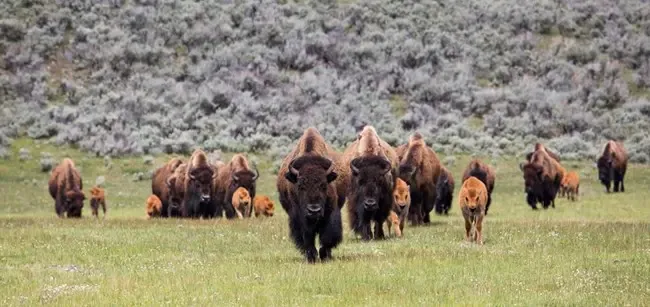
Buffalo, or American bison, once roamed the United States in numbers exceeding 60 million before their systematic extermination in the 1800s.
They provided Native Americans with sustenance, clothing, shelter, and tools, and remain deeply intertwined with tribal culture. The Interior Department has offered limited funding for buffalo management for over two decades, and this legislation aims to broaden and reinforce that support.
Point of View
The reintroduction of the Indian Buffalo Management Act represents a crucial step towards recognizing and revitalizing the cultural and ecological significance of buffalo to Native American communities. This bipartisan effort by Senators Heinrich and Mullin not only addresses historical injustices but also fosters collaboration between federal and tribal entities to enhance food sovereignty and cultural preservation.
NationPress
18/12/2025
Frequently Asked Questions
What is the Indian Buffalo Management Act?
The Indian Buffalo Management Act is a bipartisan legislation aimed at increasing federal support for Native American tribes in managing and restoring buffalo herds.
Who introduced the Indian Buffalo Management Act?
The act was reintroduced by Senator Martin Heinrich from New Mexico and Senator Markwayne Mullin from Oklahoma.
Why are buffalo important to Native American tribes?
Buffalo are essential to Native American tribes for their cultural, spiritual, and nutritional needs, serving as a keystone species in their heritage.
How many tribes are involved in the InterTribal Buffalo Council?
Currently, the InterTribal Buffalo Council has 89 tribes as members across 22 states.
What are the expected benefits of the Indian Buffalo Management Act?
The act is expected to enhance federal support for buffalo management, promote food sovereignty, and strengthen cultural ties for Native tribes.