US bill targets foreign-paid influencers under FARA disclosure law
Synopsis
The US Congress is moving to bring social-media influencers into the same disclosure regime that governs foreign lobbyists — a first. The bipartisan Foreign Propaganda Disclosure Act would make FARA, a 1938 law built for a pre-internet world, apply to any monetised influencer acting for a foreign government. It's a direct acknowledgement that influence operations have migrated from think-tanks and PR firms to Instagram and YouTube.
Key Takeaways
A bipartisan group of US lawmakers introduced the Foreign Propaganda Disclosure Act on 25 August .
The bill amends FARA to classify monetised social-media influencers acting for foreign interests as 'publicity agents' subject to federal disclosure.
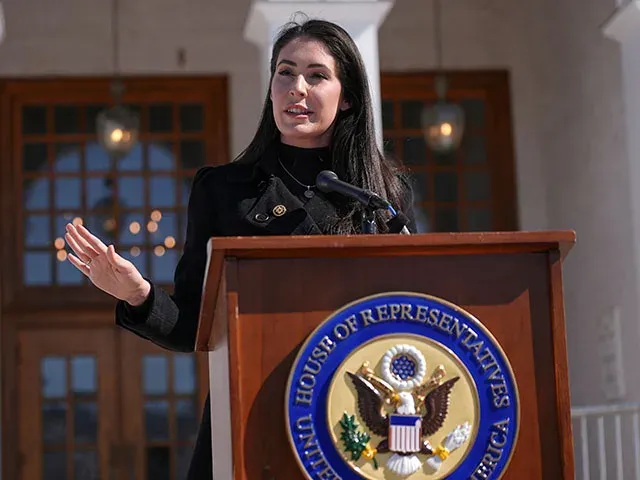
Sponsors include Republican Anna Paulina Luna (Florida), Democrat Vicente Gonzalez (Texas), Democrat Jared Moskowitz (Florida), and Republican Derrick Van Orden (Wisconsin).
The bill does not treat all monetised influencers as foreign agents — only those acting on behalf of a foreign principal under existing FARA conditions.
FARA has been in force since 1938 and requires registration with the Justice Department ; the bill extends it to the digital creator economy.
No specific influencers or foreign governments were named; the scope of affected accounts has not been estimated.
A bipartisan group of US lawmakers has introduced the Foreign Propaganda Disclosure Act, legislation that would require social-media influencers operating on behalf of foreign interests to register under the Foreign Agents Registration Act (FARA) — the country's existing foreign-agent disclosure framework. The bill was introduced on 25 August and marks a significant push to extend decades-old lobbying transparency rules to the digital creator economy.
What the Bill Proposes
The legislation would amend FARA to expressly include social-media influencers within the legal definition of a 'publicity agent.' It defines a social-media influencer as any person with a monetised account on a social-media platform. Critically, the bill does not treat every monetised influencer as a foreign agent — registration and disclosure requirements would apply only when an influencer acts on behalf of a foreign government or other foreign principal under circumstances already covered by FARA.
Rather than creating a separate regulatory system for online personalities, the bill incorporates an existing federal definition of a social-media platform and slots influencers into the current FARA framework. Supporters say the change would close a transparency gap that foreign governments could exploit to shape American public opinion without revealing their involvement.
Who Introduced It
The bill was introduced by Republican Congresswoman Anna Paulina Luna of Florida, alongside Democratic Representative Vicente Gonzalez of Texas, Democratic Representative Jared Moskowitz of Florida, and Republican Representative Derrick Van Orden of Wisconsin. The bipartisan composition signals that concern over foreign-backed influence operations has cross-party traction on Capitol Hill.
What the Lawmakers Said
'There is a big difference between having an organic opinion and secretly acting on behalf of foreign interests to push propaganda to Americans,' Luna said. She added: 'Foreign adversaries have been actively using disinformation and psychological operations to divide America, erode our national security, and undermine US foreign policy. Americans deserve to know when the voices shaping what they see online are working on behalf of foreign interests.'
Gonzalez framed the bill as a necessary update to laws that have not kept pace with how Americans now consume political information. 'Federal law must adapt to an ever-changing digital media landscape, especially as more Americans turn to social media for news consumption and public discourse,' he said. 'Our bill increases public transparency around paid partnerships between social media influencers and foreign governments to prevent deceptive practices that may hinder audiences from building a fully informed opinion,' he added.
Background: What FARA Is
FARA was enacted in 1938 amid concerns about foreign propaganda circulating inside the United States. It generally requires individuals and organisations acting at the direction or control of foreign principals — in political or public-relations capacities — to register with the Justice Department and disclose their relationships, activities, and finances. Unlike traditional broadcasters and publishers, online influencers can reach millions of followers through personal accounts without routinely disclosing financial relationships or the source of sponsored content, a gap the bill aims to address.
What Remains Unclear
The lawmakers did not identify particular influencers or foreign governments that would be affected by the legislation. No estimate was provided of how many online accounts could fall within the bill's scope. The proposal will now move through the legislative process, where its ultimate passage remains uncertain.
Point of View
But its real test will be enforcement: FARA has historically been under-prosecuted even against well-documented foreign lobbying operations. Extending it to influencers without a credible Justice Department resourcing plan risks producing a disclosure registry nobody checks. The deeper question the bill sidesteps is algorithmic amplification — foreign-backed content spreads not just because influencers post it, but because platforms surface it. Disclosure alone does not fix that.
NationPress
9 Oct 2026
Frequently Asked Questions
What is the Foreign Propaganda Disclosure Act?
It is a bipartisan US bill introduced on 25 August that would amend the Foreign Agents Registration Act (FARA) to require social-media influencers acting on behalf of foreign governments or foreign principals to register and disclose those relationships with the Justice Department. The bill defines an influencer as any person with a monetised account on a social-media platform.
Would every monetised influencer have to register under FARA?
No. The bill only applies to influencers who act on behalf of a foreign government or other foreign principal under circumstances already covered by FARA. Influencers with purely domestic commercial partnerships would not be affected.
What is FARA and why does it matter here?
FARA — the Foreign Agents Registration Act — is a 1938 US law that requires individuals and organisations acting at the direction of foreign principals in political or public-relations activities to register with the Justice Department and disclose their finances and activities. The new bill seeks to extend this framework to the digital creator economy, which FARA did not originally contemplate.
Who introduced the bill?
The bill was introduced by Republican Congresswoman Anna Paulina Luna of Florida, along with Democratic Representatives Vicente Gonzalez of Texas and Jared Moskowitz of Florida, and Republican Representative Derrick Van Orden of Wisconsin. The bipartisan sponsorship reflects broad concern over foreign influence operations on social media.
Which influencers or foreign governments are specifically targeted?
The lawmakers did not name any specific influencers or foreign governments in the bill's announcement. No estimate of how many accounts could fall within its scope was provided either. The bill's reach would be determined by the existing FARA criteria applied to each case.