US Energy Chief Urges Rapid Power Expansion to Support AI Growth
Synopsis
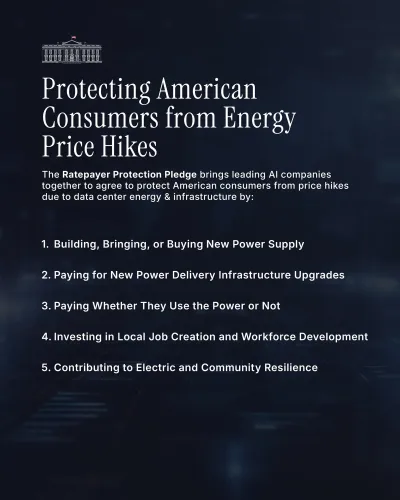
As the demand for artificial intelligence surges, US Energy Secretary Chris Wright calls for urgent upgrades to electricity generation and infrastructure. He warns that decades of under-investment may limit the nation's technological potential, stressing the need for a robust power supply to support AI advancements.
Key Takeaways
The US must enhance electricity generation to support AI growth.
Energy infrastructure has seen decades of under-investment.
Reliable and affordable electricity is crucial for technological progress.
Labor shortages could impede infrastructure development.
A mix of energy sources is essential for future capacity.
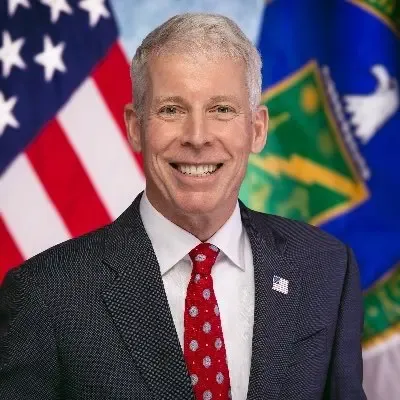
Washington, March 12 (NationPress) The United States must swiftly enhance its electricity generation capabilities and revamp its power grid to support the rapidly expanding field of artificial intelligence, stated Energy Secretary Chris Wright. He cautioned that years of insufficient investment in energy infrastructure might hinder the nation’s technological progress.
While addressing a panel focused on powering America's AI future at a BlackRock summit, Wright emphasized that the energy demands of data centers and advanced computing are frequently underestimated.
“One of my missions in coming to Washington is to facilitate the construction of large projects in our nation once more,” Wright remarked, indicating that the US has seen minimal progress in this area over the past 20 to 30 years.
The panel included Wright, NextEra Energy CEO John Ketchum, and Google President and Chief Investment Officer Ruth Porat. They collectively asserted that the growth of artificial intelligence will necessitate vast new electricity resources, but they also affirmed that the US possesses the necessary resources and technologies to meet this demand if regulatory and infrastructure challenges are resolved.
Wright emphasized that energy policies should prioritize reliability and affordability over political agendas.
“We must focus on providing secure, reliable, and affordable electricity,” he noted. “We cannot allow this next energy-intensive sector—artificial intelligence—to be outsourced.”
Ketchum highlighted that energy companies must rapidly scale up to fulfill the demand from AI data centers, which require consistent and substantial power supplies.
“We need to unleash energy in this country swiftly,” he insisted, stressing the importance of maximizing the output from the grid and constructing at scale.
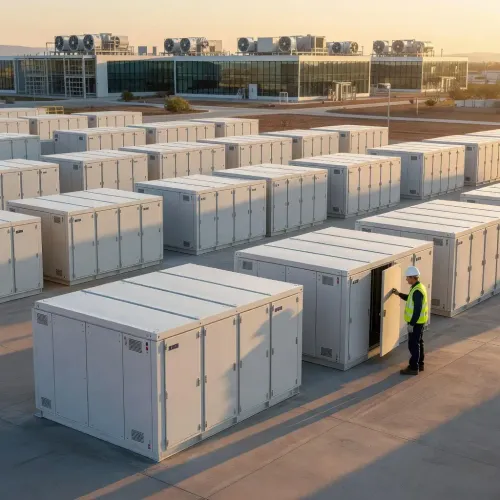
NextEra, recognized as one of the largest energy firms globally, is heavily investing in massive data center hubs that can produce several gigawatts of electricity. Ketchum noted that a combination of gas, nuclear, solar, and storage solutions will be essential to efficiently supply the grid.
Porat remarked that the US energy system is currently under-invested in generation and infrastructure, particularly as technology firms ramp up their data center construction.
“The fundamental problem is that the US lacks sufficient energy capacity and the infrastructure required,” she stated.
She further mentioned that Google is increasingly investing in energy projects alongside their data centers to guarantee adequate power availability.
“We are net contributors to added capacity when we establish a data center,” Porat stated, indicating that such initiatives can help stabilize electricity prices if managed correctly.
Wright posited that the increased electricity demand from data centers could potentially decrease long-term power costs by enhancing the utilization of existing infrastructure.
“The key to lowering electricity prices is to increase demand,” he stated, explaining that heightened usage allows utilities to distribute fixed costs over a broader base.
He mentioned that states promoting energy investment and electricity generation are likely to experience economic benefits.
“States that attract such investments will be the winners,” Wright concluded.
Additionally, panelists cautioned that labor shortages could impede the expansion of power systems and data centers. Wright underscored the need for more skilled tradespeople, including electricians, plumbers, and welders, to facilitate the construction of energy infrastructure.
“The largest limitation will likely be our capacity for skilled labor to construct these complex infrastructures,” he remarked.
Point of View
The urgency of addressing the power needs for the burgeoning artificial intelligence sector is paramount. The US must invest in its energy infrastructure to remain competitive on the global stage, while simultaneously ensuring that policies are focused on reliability and affordability rather than political maneuvering.
NationPress
10 Oct 2026
Frequently Asked Questions
What is the main concern expressed by Energy Secretary Chris Wright?
Wright emphasizes the need for the US to rapidly expand electricity generation and modernize its power grid to support the growing demands of artificial intelligence.
Why is there a push for infrastructure investment?
Decades of under-investment in energy infrastructure could limit the country's ability to meet the energy demands of data centers and advanced computing.
How can increased electricity demand potentially lower prices?
Wright suggests that growing demand enables utilities to spread fixed costs across a larger customer base, potentially driving down electricity prices in the long run.
What role do labor shortages play in this situation?
Panelists highlighted that a shortage of skilled labor, such as electricians and welders, may slow the construction of necessary energy infrastructure.
What energy sources are suggested for future capacity?
A mix of gas, nuclear, solar, and storage solutions will be necessary to sustain the electricity grid while managing costs effectively.