The Energy Challenge Facing the U.S. AI Ambition
Synopsis
The U.S. ambition to lead in artificial intelligence faces a critical hurdle: energy supply. With lengthy permitting processes, lawmakers are questioning whether the nation can keep pace with its growing energy needs. This article explores the implications for AI development and national security.
Key Takeaways
AI initiative is hindered by energy supply issues.
Current permitting processes can take up to a decade.
Energy infrastructure is crucial for maintaining national security.
Proposed reforms aim to streamline the approval process.
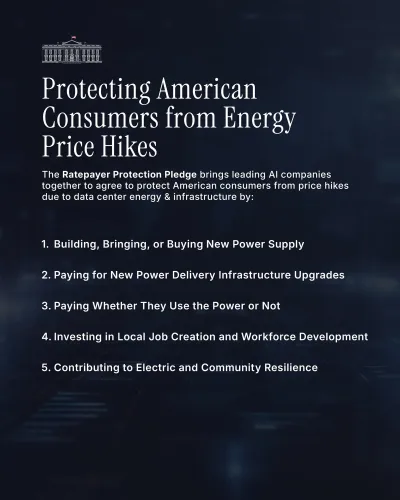
Local communities must not bear the financial burden of large facilities.
Washington, Feb 25 (NationPress) The United States' ambition to dominate the field of artificial intelligence is hitting a significant obstacle: energy supply. Lawmakers have pointed out that the current permitting and litigation processes can take anywhere from “five years to sometimes a decade” just to link new data centers to the power grid.
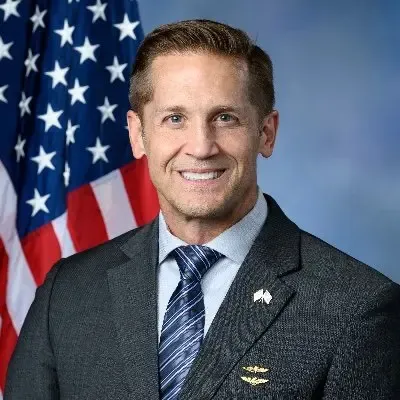
During a House Science subcommittee meeting, Congressman Rich McCormick emphasized that the scale of electricity required for AI is no longer debatable. “Artificial intelligence demands substantial computing resources, which translates to massive electricity consumption, and that’s indisputable,” he stated.
The core issue, he further explained, is whether the infrastructure approval system in Washington can adapt quickly enough.
McCormick lamented that the average time for transmission permitting is currently around four years and can extend up to a decade. He noted that federal environmental reviews under the National Environmental Policy Act (NEPA) averaged 26 months in 2020. Even after securing approvals, legal challenges can prolong the process.
“Even when agencies succeed, which they do about three-quarters of the time, the entire process can incur an additional six years in litigation setbacks,” he said.
Google’s Marsden Hanna informed lawmakers that grid congestion is already influencing business decisions. “We hear from utilities that connecting new facilities can take five to ten years,” he remarked. He framed the situation as a strategic issue, asserting, “We fundamentally believe that energy supply is a matter of national security. To win the AI race, we must also excel in the energy sector.”
Hanna cautioned that international competitors face fewer restrictions. While the United States currently leads in AI, he warned that the gap is narrowing, particularly because of China's ability to plan, permit, and deploy energy infrastructure more rapidly.
Democrats on the committee voiced concerns that rapid construction without appropriate safeguards could adversely affect local households. Ranking member Emilia Sykes noted that communities hosting large facilities should not see an increase in their energy bills. “That doesn’t mean Ohio residents should bear the cost for Silicon Valley billionaires to boost their profits,” she asserted.
Paige Lambermont from the Competitive Enterprise Institute advocated for comprehensive changes in the approval process, stating, “Reforming the permitting framework is crucial to address this challenge,” and urged modifications to environmental regulations to eliminate “overly broad, redundant, and unnecessary requirements for obtaining permits.”
Beyond permitting, experts pointed out that the nation lacks essential visibility into the energy sector’s impact. Eric Masanet, a professor at the University of California, Santa Barbara, remarked, “No other major sector in the U.S., especially one growing so rapidly, has as many public data blind spots.” He highlighted that “very few data center operators disclose the energy and water consumption of their facilities,” forcing policymakers to rely on estimates.
“As the saying goes, you can't manage what you don't measure,” Masanet insisted, calling for improved systematic federal data collection. Data centers have surged across various states as AI systems necessitate significant computing power, leading to increased demands for electricity, infrastructure upgrades, and water-intensive cooling systems. Companies have pledged tens of billions of dollars in investments recently, even as utility companies express concerns about diminishing capacity in several areas.
The decisions made by the U.S. regarding energy, grid reform, and AI infrastructure will significantly impact global supply chains for chips, cloud services, and digital platforms, particularly for nations like India and other tech-driven economies. As Washington navigates the balance between speed and safeguards, the results could determine where the next round of AI investments will be directed.
Point of View
The intersection of energy supply and AI development is crucial. The U.S. must navigate infrastructure challenges while maintaining its leadership position in technology. A balanced approach that ensures both rapid growth and community welfare is essential.
NationPress
30 Sept 2026
Frequently Asked Questions
What is the main challenge facing AI development in the U.S.?
The primary challenge is the lengthy permitting process for connecting new data centers to the power grid, which can take from five to ten years.
How does energy supply relate to national security?
Energy supply is considered a national security imperative because the ability to support AI development relies on a stable and sufficient energy infrastructure.
What are the implications of permitting delays?
Delays in permitting can slow down the growth of AI infrastructure, potentially allowing international rivals to catch up in the technology race.
What reforms are being proposed?
Experts are calling for changes to the permitting framework to eliminate unnecessary regulatory hurdles and improve transparency in energy consumption.
How does this issue affect local communities?
Local communities may face increased energy costs and infrastructure burdens if large facilities are built without adequate safeguards.