The Evolution of the Nuclear Energy Landscape in Washington
Synopsis
As demand for electricity rises due to AI and industrial growth, US officials are emphasizing nuclear energy's role in economic stability and global influence. This article explores the recent legislative efforts and executive actions shaping the nuclear energy landscape.
Key Takeaways
Increased Electricity Demand: Driven by AI and industrial growth.
Focus on Nuclear Energy: Seen as essential for economic strength.
Executive Orders: Aimed at accelerating reactor deployment.
Bipartisan Support: For expanding nuclear capacity amid concerns.
Global Competition: Intensifying with countries like Russia and China.
Washington, March 20 (NationPress) With the surge in electricity needs driven by artificial intelligence and industrial growth, US legislators and officials are increasingly prioritizing nuclear energy, viewing it as essential for maintaining economic strength and global influence.
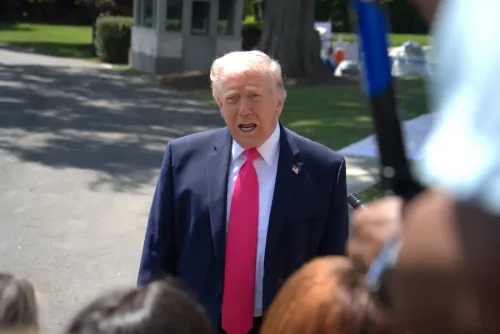
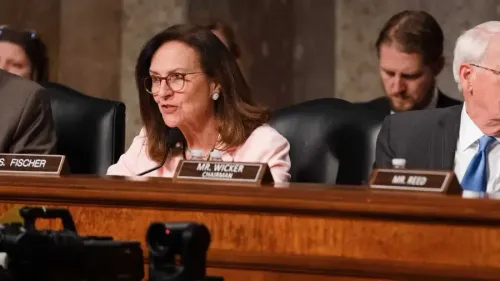
During a Senate Energy and Natural Resources Committee session on Thursday, policymakers alongside industry representatives presented a forceful initiative to enhance nuclear capabilities, supported by President Donald Trump’s executive orders from May 2025 aimed at expediting reactor installation and revitalizing domestic supply chains.
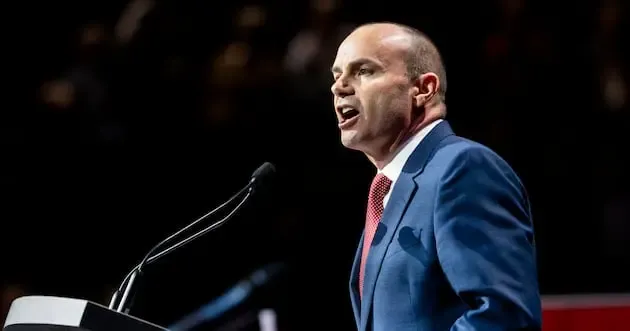
“The pivotal question shifts from how we utilize energy to whether we can generate sufficient quantities,” stated Chairman Senator Mike Lee, cautioning that businesses might relocate if domestic power needs are unmet. “If we fail to accommodate that demand domestically, it will be fulfilled elsewhere.”
The executive orders call for the swift rollout of advanced reactor technologies, improvements in licensing procedures, and measures to bolster the nuclear industrial foundation. They also emphasize the need to lessen dependence on foreign fuel supplies while enhancing US leadership in global nuclear exports.
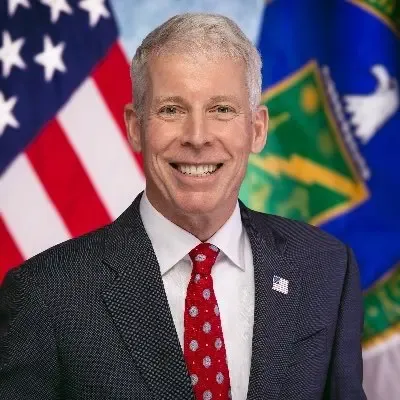
According to Assistant Secretary of Energy Theodore Garrish, the administration aims to revive domestic uranium enrichment, promote the construction of new reactors, boost exports, and complete the nuclear fuel cycle.
“We anticipate establishing a robust domestic uranium enrichment industry within the next few years,” he remarked, highlighting the detrimental impact of import reliance on US capabilities over time.
Officials noted that initial progress is evident in pilot initiatives designed to showcase new reactor models. At least three test reactors are projected to achieve criticality by July 4 of this year, representing a significant landmark.
“I am optimistic about meeting the July 4 deadline,” Garrish expressed, although he acknowledged existing manufacturing hurdles.
John Wagner, director of Idaho National Laboratory, characterized this period as a pivotal moment. “We are at a unique inflection point in the realm of American nuclear energy,” he claimed.
“The inquiry is no longer whether America requires nuclear energy… but rather how much, how swiftly, and what measures will facilitate this goal.”
Wagner indicated that infrastructure development is being hastened to align with the administration's objectives, including new demonstration reactors and expanded fuel development initiatives. “I am now optimistic that we will witness progress in the timeline for initial reactors,” he affirmed.
Industry leaders emphasized the rapidly expanding electricity demand, particularly from artificial intelligence and data centers, as a primary factor behind the renewed emphasis on nuclear energy.
“The US is at a crucial juncture as electricity requirements escalate due to AI data centers and revitalized American manufacturing,” stated Mike Laufer, CEO of Kairos Power.
“The message emanating from Washington is clear—nuclear energy is imperative now.”
Laufer pointed out that emerging reactor technologies and milestone-based federal funding frameworks are facilitating accelerated development while ensuring accountability. He underscored the necessity of early investments to bridge the gap between demonstration and large-scale commercial implementation.
Bipartisan lawmakers expressed their support for expanding nuclear energy but voiced concerns regarding costs, supply chains, and long-term waste management.
Several senators highlighted that past nuclear initiatives had encountered significant budget overruns, discouraging utilities from investing in new reactors. Others stressed the importance of securing domestic fuel supplies and diminishing reliance on nations like Russia.
The hearing also shed light on escalating global competition. “Both Russia and China are acutely aware of this,” Lee remarked. “They are constructing reactors on a large scale… establishing fuel supply agreements that bind countries to their technologies.”
The United States currently operates the world’s largest fleet of nuclear reactors, which generates about one-fifth of its electricity. However, the pace of new construction has decelerated in recent decades due to elevated expenses and regulatory obstacles.
Recent legislative measures and executive actions aim to reverse this trend, with bipartisan support in Congress to increase nuclear capacity as part of a reliable and low-carbon energy framework.
Point of View
The increasing focus on nuclear energy reflects both a response to rising electricity demands and a strategic move to secure technological leadership in a competitive global landscape. While the urgency is evident, careful consideration of costs and safety remains paramount.
NationPress
24 Sept 2026
Frequently Asked Questions
Why is there a renewed focus on nuclear energy in the US?
The surge in electricity demand driven by artificial intelligence and industrial growth has prompted US lawmakers to prioritize nuclear energy as crucial for economic strength and global power.
What measures are being taken to expand nuclear capacity?
Recent executive orders direct the rapid deployment of advanced reactor technologies, streamline licensing processes, and aim to bolster the domestic nuclear supply chain.
What challenges does the nuclear industry face?
Concerns include high costs, supply chain issues, and long-term waste management that have historically deterred investments in new reactors.
How significant is the global competition in nuclear energy?
Countries like Russia and China are aggressively building reactors and establishing fuel supply agreements, intensifying the competition in the nuclear energy sector.
What does the future hold for nuclear energy in the US?
With bipartisan support and recent legislative actions, there is optimism for expanding nuclear capacity and integrating it into a low-carbon energy mix.