US strikes hit Iranian military targets again amid Trump's bridge threat
Synopsis
US forces struck Iranian military targets for the second consecutive day on 23 July, hours after President Trump threatened to bomb Iranian bridges and power plants for every attack on Hormuz shipping. Iran's military command responded by threatening to shut down all West Asian oil exports — a move that could convulse global energy markets and drag the Gulf into a wider war.
Key Takeaways
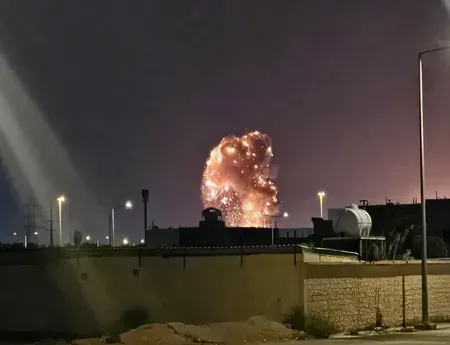
US Central Command launched fresh airstrikes on Iranian military targets starting 5:30 p.m.
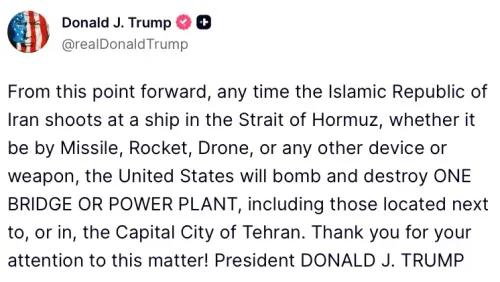
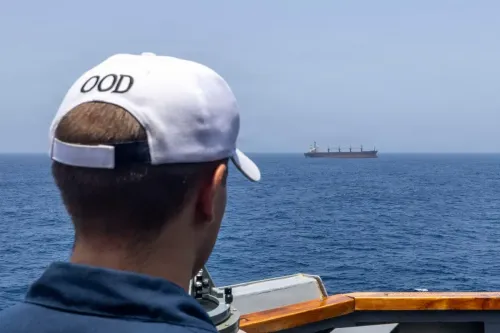
President Trump threatened to destroy an Iranian bridge or power plant — including in Tehran — for every attack on vessels in the Strait of Hormuz .
Iran's Khatam al-Anbiya Central Headquarters warned it would block all oil exports from West Asia and target regional energy infrastructure if the US strikes Iranian infrastructure.
Iran also launched a missile strike on a Jordanian city near Israel's border, triggering warnings in Bahrain and Saudi Arabia .
A Washington Post-Ipsos poll found 68% of US adults consider the war with Iran 'not worth fighting.'
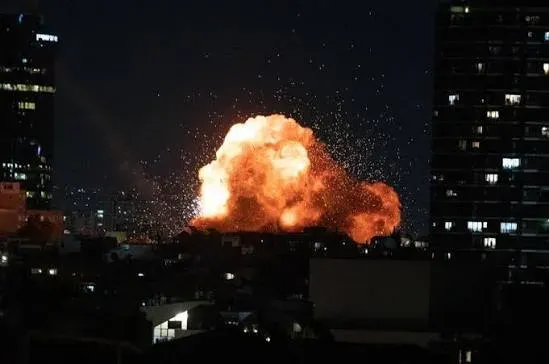
US Central Command announced on Wednesday, 23 July that American forces had launched a fresh wave of airstrikes against Iranian military targets, beginning at 5:30 p.m. Eastern Time. The strikes mark a significant escalation in direct US military action against Iran, with Washington signalling that operations will continue until Tehran's capacity to threaten commercial shipping is degraded.
What the US Said
'The mission will continue to further degrade Iran's ability to threaten civilian mariners and commercial vessels transiting regional waters,' US Central Command stated in an announcement posted on X.
The latest round of strikes follows a separate series of US attacks carried out late Tuesday night, which triggered Iranian air defences over Tehran. The pace of operations suggests a sustained campaign rather than a one-off response.
Trump's Escalatory Warning
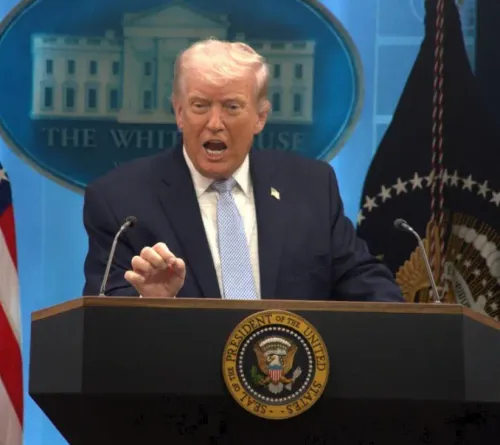
Earlier on Wednesday, US President Donald Trump issued a stark ultimatum on Truth Social, warning that any Iranian attack on a vessel in the Strait of Hormuz — whether by missile, rocket, drone, or any other weapon — would be met with the destruction of an Iranian bridge or power plant, including infrastructure in or near Tehran. The threat represents one of the most direct public warnings ever issued by a US president against Iranian civilian infrastructure.
Iran's Counter-Threat
Iran's principal military command, Khatam al-Anbiya Central Headquarters, responded swiftly, warning that any US attack on Iranian infrastructure would prompt Tehran to block all oil exports from West Asia and strike oil, gas, electricity, and economic infrastructure across the region. The command added, according to media reports, that continued US threats 'will only lead to the war's expansion in the region and even beyond that.'
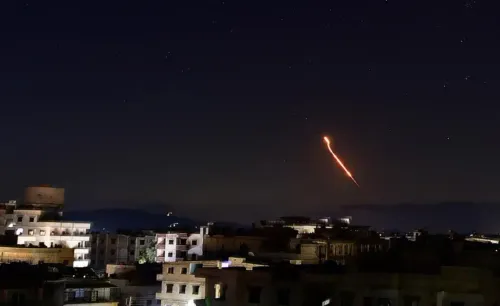
Separately, Iran executed a missile strike targeting a Jordanian city near Israel's border, prompting air-raid warnings in Bahrain and Saudi Arabia — underscoring how rapidly the conflict is drawing in neighbouring states.
American Public Opinion
A Washington Post-Ipsos poll released last week found that 68 per cent of US adults considered the war with Iran 'not worth fighting,' while only 28 per cent said it was. The figures suggest that even as the military campaign intensifies, domestic political support in the United States remains fragile.
What Happens Next
The threat to block Strait of Hormuz oil flows — through which roughly 20 per cent of global crude passes — could send energy markets into turmoil if acted upon. Regional governments in the Gulf are already on alert, and diplomatic channels appear strained. How far each side is willing to escalate before seeking an off-ramp remains the central question.
Point of View
Not deterrence. Targeting civilian infrastructure risks crossing thresholds that international law and US allies in the Gulf have long treated as red lines. Iran's counter-threat to shut Hormuz oil flows is not empty: even a partial blockade would spike Brent crude and destabilise Gulf economies that Washington depends on for regional basing rights. The 68-per-cent domestic opposition figure is the detail most mainstream coverage is burying — a president prosecuting an expanding war with two-thirds of his public against it faces a political clock that is already ticking.
NationPress
23 Jul 2026
Frequently Asked Questions
Why did the US launch fresh strikes on Iran on 23 July?
US Central Command said the strikes were aimed at degrading Iran's ability to threaten civilian mariners and commercial vessels in regional waters, particularly in the Strait of Hormuz. The operation began at 5:30 p.m. Eastern Time on Wednesday and followed a separate series of strikes the previous night.
What did President Trump threaten against Iran?
President Trump posted on Truth Social that the US would bomb and destroy one Iranian bridge or power plant — including those near Tehran — each time Iran attacks a ship in the Strait of Hormuz, regardless of the weapon used. It is one of the most explicit public threats against Iranian civilian infrastructure by a sitting US president.
How did Iran respond to the US strikes and threats?
Iran's Khatam al-Anbiya Central Headquarters warned that any US attack on Iranian infrastructure would trigger a blockade of all oil exports from West Asia and strikes on oil, gas, electricity, and economic infrastructure across the region. Iran also fired missiles at a Jordanian city near Israel's border, raising alarms in Bahrain and Saudi Arabia.
What is the Strait of Hormuz and why does it matter?
The Strait of Hormuz is a narrow waterway between Iran and Oman through which a significant share of global crude oil and LNG shipments pass. Any disruption — including an Iranian blockade — could cause a sharp spike in global energy prices and affect supply chains worldwide.
What does US public opinion say about the war with Iran?
A Washington Post-Ipsos poll released last week found that 68 per cent of US adults believe the war with Iran is 'not worth fighting,' compared with 28 per cent who support it — indicating significant domestic opposition even as military operations escalate.