US eases Russian oil sanctions for 30 days to aid vulnerable nations
Synopsis
Washington isn't lifting Russia sanctions — it's threading a needle. The new 30-day US Treasury licence for stranded Russian oil tankers serves two goals at once: throwing a lifeline to energy-vulnerable nations and explicitly cutting off China's access to discounted crude. The dual framing signals that US sanctions policy on Russian energy is becoming as much about Beijing as it is about Moscow.
Key Takeaways
The US Treasury issued a 30-day general licence on 18 May 2025 for transactions involving Russian oil stranded at sea.
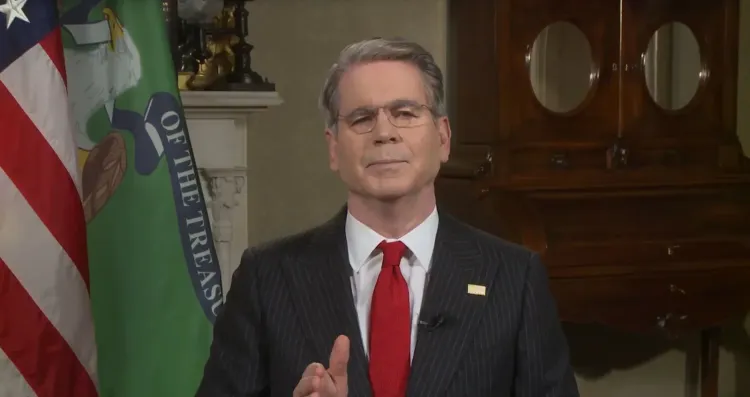
Treasury Secretary Scott Bessent said the measure targets the 'most vulnerable countries' facing energy access constraints.
Bessent explicitly stated the licence would reduce China's ability to accumulate Russian crude at discounted prices.
The licence is the third rolling exemption since March 2025 ; the previous one expired on 16 May .
Beneficiary countries were not named; India , a major buyer of Russian crude, is watching the development closely.
The United States has issued a temporary 30-day general licence permitting transactions involving Russian oil currently stranded at sea, Treasury Secretary Scott Bessent announced on 18 May 2025. The measure is designed to ensure that the world's most energy-vulnerable nations can access supplies that have been frozen in transit amid sweeping Western sanctions on Moscow.
What the Licence Covers
According to reports, the licence applies specifically to Russian crude already loaded onto tankers and unable to complete transactions due to existing sanctions. Bessent described the exemption as a stabilising tool for global oil flows rather than a rollback of the broader sanctions regime targeting Russia's energy sector following its war in Ukraine.
'The US Treasury is issuing a temporary general license for 30 days to allow the most vulnerable countries to have access to Russian oil, which is currently stuck in the sea,' Bessent wrote on X. 'This extension will provide additional flexibility, and we will work with these countries to secure specific licenses as needed,' he added.
The China Angle
Notably, Bessent framed the move in explicitly geopolitical terms, arguing it would curtail China's ability to accumulate discounted Russian crude. 'It will also help redirect available supplies to countries most in need by reducing China's ability to accumulate oil at reduced prices,' he said. This dual objective — humanitarian access for vulnerable economies and strategic denial to Beijing — marks a significant framing shift in how Washington is presenting sanctions relief.
A Pattern of Rolling Exemptions
The latest licence is the third such rolling exemption issued by the US Treasury in recent months. An earlier easing on 12 March permitted transactions involving Russian oil and petroleum products loaded before that date. A subsequent update on 19 March imposed additional restrictions on certain Russian regions, as well as on North Korea and Cuba. That licence expired on 11 April. A follow-on licence issued on 17 April allowed operations involving the sale, transport, and unloading of Russian-origin oil loaded before that date to continue until 16 May, according to reports. The current licence effectively picks up where that one left off.
Implications for India
The announcement carries particular weight for major energy-importing nations, including India, which has significantly increased purchases of discounted Russian crude since the start of the Ukraine conflict. New Delhi has consistently maintained that its energy procurement decisions are guided by national interest and energy security requirements. Whether India qualifies among the 'most vulnerable countries' that Bessent referenced remains unclear — the Treasury Secretary did not identify the beneficiary nations by name.
What Comes Next
The 30-day window gives affected countries a narrow timeline to secure specific licences for ongoing transactions. The US Treasury has indicated it will work bilaterally with eligible nations during this period. Energy markets will be watching closely, given that stranded Russian cargoes have contributed to supply uncertainty in recent weeks. A failure to convert the general licence into country-specific arrangements before the deadline could once again leave tankers in legal limbo.
Point of View
The Treasury is signalling that the Russia sanctions regime is increasingly a tool of great-power competition, not just Ukraine solidarity. For India, the ambiguity is strategic — New Delhi is neither named as a beneficiary nor excluded, preserving its room to manoeuvre while the geopolitics settle.
NationPress
19 Sept 2026
Frequently Asked Questions
What is the new 30-day US licence on Russian oil?
The US Treasury has issued a temporary 30-day general licence allowing transactions involving Russian crude oil that is currently loaded onto tankers and stranded at sea due to sanctions. The measure is intended to help energy-vulnerable nations complete stalled oil purchases.
Why did the US ease Russian oil sanctions now?
Treasury Secretary Scott Bessent said the licence is needed to ensure the world's most energy-vulnerable countries can access supplies currently stuck in transit. He also argued it would limit China's ability to buy discounted Russian crude, framing the move as both humanitarian and geopolitical.
Which countries will benefit from the Russian oil sanctions relief?
Bessent did not name the beneficiary countries. The licence is described as targeting nations facing acute energy vulnerability, and the Treasury has said it will work with eligible countries to secure specific licences during the 30-day window.
How does this affect India's purchases of Russian oil?
India has sharply increased Russian crude imports since the Ukraine conflict began and will be watching the development closely. New Delhi has maintained its procurement decisions are guided by national interest, but it remains unclear whether India is among the unnamed beneficiaries of the new licence.
Is this the first time the US has issued such a Russian oil exemption?
No. The US Treasury issued similar rolling exemptions in March and April 2025. The previous licence, which covered oil loaded before 17 April, expired on 16 May. The current 30-day licence effectively continues that pattern of temporary relief measures.